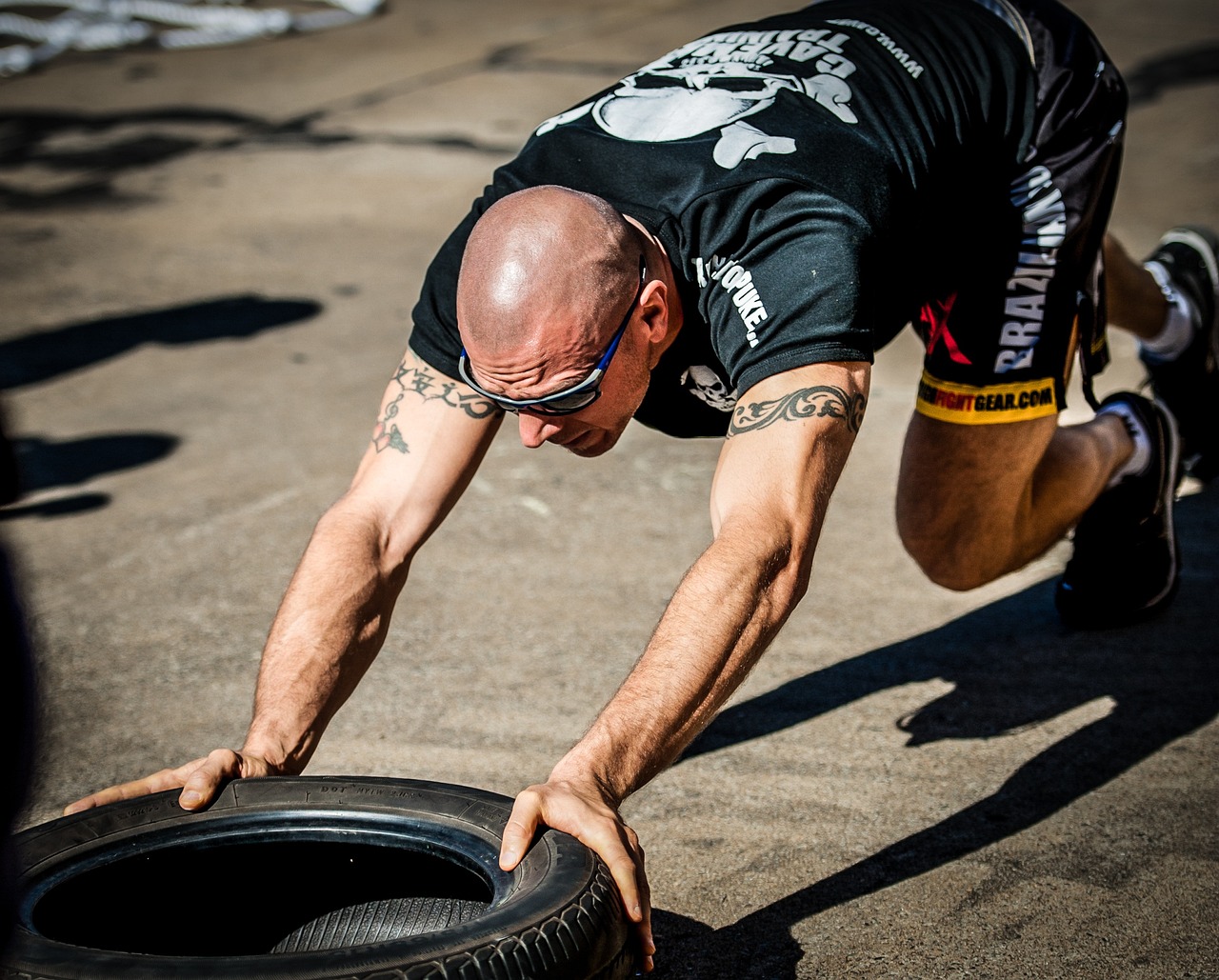

Functional Training Intervals for Maximum Results in Minimum Time
Functional training is an ideal approach for individuals with busy schedules. It emphasizes exercises that simulate everyday movements, enhancing real-life functionality. This form of training incorporates a variety of dynamic movements that engage multiple muscle groups. Additionally, functional training can be adapted to fit any time constraint, making it perfect for those with tight schedules. With intervals, you can achieve maximum results in minimal time. Intervals involve alternating bursts of high-intensity exercise followed by short recovery periods. This method not only saves time but also boosts cardiovascular endurance and strength. Furthermore, maintaining a consistent functional training regimen helps improve balance, coordination, and flexibility. These benefits are particularly advantageous for individuals who might otherwise neglect their health due to other commitments or responsibilities. Therefore, integrating functional training intervals into your routine can significantly enhance your physical capabilities while accommodating a busy lifestyle. Often, only 20 to 30 minutes are needed, allowing for efficiency without compromising results. To begin implementing these workouts, prioritize exercises like squats, lunges, push-ups, and kettlebell swings. These movements form a solid foundation in functional fitness.
Benefits of Functional Training for Time-Strapped Individuals
The benefits of functional training for busy individuals extend beyond physical fitness. Mental well-being receives a significant boost from these workouts, promoting stress relief and improving mood. When your schedule is packed, even a short functional workout can help clear your mind and increase energy levels. Regular exercise contributes to better focus and productivity at work or home, making you feel more accomplished throughout the day. Moreover, functional training improves muscle strength and endurance, making everyday tasks easier to perform. For instance, carrying groceries or playing with kids becomes less strenuous after incorporating these exercises into your routine. Another excellent advantage is the reduced risk of injury through improved stability and flexibility. Functional training enhances body awareness, enabling you to execute movements more safely. It’s also important to note that this type of training can be seamlessly integrated into routines. You can utilize your living room, park, or gym to practice, adapting activities based on available space and gear. Ultimately, by committing to just a few short sessions weekly, you can enjoy numerous benefits that enhance both physical and mental health without the time burden.
When designing a time-efficient functional training routine, consider high-intensity interval training (HIIT). HIIT is a highly effective method for maximizing your workouts in minimal implementation time. During a HIIT session, you alternate between high-intensity bursts of exercise and low-intensity recovery periods. This structure not only maximizes calorie burn but also builds muscle and endurance rapidly. Aim for a workout that lasts around 20 to 30 minutes, allowing room for warm-up and cool-down periods. Exercises can include bodyweight movements, free weights, and resistance bands. For instance, create a circuit that involves a series of exercises like burpees, jump squats, and kettlebell swings, repeating this circuit multiple times. You can also challenge different muscle groups each session, ensuring balanced development. Before starting a HIIT workout, ensure your body is adequately warmed up to prevent injury. Consider engaging in light cardio or dynamic stretching to prepare. Also, remember to stay hydrated throughout your sessions, as functional training can be demanding. Incorporating HIIT into your functional training strategy can change how you view fitness amid a packed schedule.
Incorporating Equipment for Efficiency
Incorporating equipment into your functional training exercises can enhance the intensity and variety of your workouts. Utilize items such as kettlebells, dumbbells, resistance bands, or medicine balls to increase the challenge. These pieces of equipment allow you to progress your workouts easily and target specific muscle groups effectively. By integrating weights, you can significantly augment your overall strength while still functioning within your time constraints. For those particularly pressed for time, consider a training approach focused on compound movements that engage multiple muscle groups simultaneously. For example, a kettlebell swing involves both leg and core muscles while providing cardiovascular benefits. Creating a functional training plan encompassing diverse exercises, including equipment, ensures that you stay engaged and motivated. Circuit training is another effective time-savvy approach, allowing you to cycle quickly through exercises with minimal rest. Ultimately, by leveraging various equipment, you enable more dynamic workouts, keeping your body challenged and engaged. Also, remember that exercises can be modified based on available equipment; bodyweight exercises alone can deliver excellent functional fitness results. Ranging from beginner to advanced levels, there’s always something to keep your training fresh.
To maintain motivation and ensure efficiency, a clear plan is crucial for your functional training regimen. Schedule workouts at convenient times during the week, treating these sessions as appointments. This strategy helps prioritize fitness and guarantees consistent progress. Consider setting realistic goals tailored to your current fitness level and lifestyle. For example, track improvements in strength, endurance, and flexibility, using these metrics to adjust your training effectively. Additionally, seeking out a workout buddy can enhance accountability while providing social interaction that makes training more enjoyable. Encourage each other during sessions and celebrate each milestone achieved, no matter how small. You can also explore various fitness apps that provide structured functional training plans tailored to individual needs. These apps often include video demonstrations and tracking tools that can enhance your experience. Ultimately, keeping creativity and variety in your training regimen is vital to avoid burnout. Experiment with different workouts, adjust exercise sequences, and challenge yourself regularly. Remember, adherence to a consistent schedule ensures lasting results, making fitness integral to your life amid a hectic routine. By making these workouts a priority, you can yield significant returns on your time investment.
Common Mistakes to Avoid in Functional Training
Although functional training presents numerous benefits, avoiding common pitfalls is vital for success. One common mistake is neglecting proper form during exercises, which increases the risk of injury. Prioritize mastering fundamental movements before progressing to more advanced techniques. Ensure that you understand proper footing, alignment, and body mechanics. Another mistake is underestimating recovery time between workouts. While functional training can be efficient, your body needs adequate time to recover, especially after high-intensity sessions. Incorporate active recovery days into your routine, focusing on stretching or low-intensity activities. Additionally, failing to vary your workouts can lead to plateaus. Consistently challenging your body via new exercises or approaches is essential for continued progress. Likewise, avoid rushing through workouts; take time to focus on quality over speed. Finally, pay attention to nutrition, as fueling your body just as importantly supports fitness goals. Make adjustments to your diet as needed to maintain energy levels and recuperation efficiency. Address these common mistakes, and you will be well on your way to maximizing results through functional training within your busy schedule.
To wrap up our discussion on functional training intervals, it’s essential to highlight the importance of consistency and perseverance. Stay committed to your fitness journey even when life gets hectic. The adaptable nature of functional training means there are countless ways to squeeze in a workout without feeling overwhelmed. Remember that every bit counts; even a short session can yield positive outcomes over time. Listening to your body is crucial; if you feel fatigued, allow yourself the necessary rest to recover. Avoid burnout by maintaining balance in your fitness routine; integrate enjoyable activities that keep you motivated. Celebrate your successes, both big and small, and track your progress to understand better how far you’ve come. This commitment to your health will significantly enhance your overall well-being, making you more equipped for life’s demands. As you develop your functional training practice, strive to inspire others around you to pursue an active lifestyle. Share your journey on social media or within your community to help motivate those similarly busy. Embrace the philosophy of functional training and redesign your fitness outlook, allowing it to seamlessly integrate into your life while maximizing results.