
Jump Training Exercises Tailored to Volleyball Positions
Volleyball players can enhance their performance through specialized jump training exercises tailored to their specific positions on the court. Each position in volleyball requires a unique set of skills, making it essential to focus jump training on these needs. For instance, setters need explosive vertical jumps for quick sets, while outside hitters benefit from powerful jumps for effective spikes. Designing a training regimen that reflects these demands ensures that training is both effective and efficient. Some useful exercises include box jumps, depth jumps, and plyometric drills. These activities develop the required muscle power and coordination, crucial for success in volleyball matches. Incorporating resistance bands may also boost vertical leaps by adding an additional challenge. Transitioning between various jump drills enables players to maintain interest and motivation. Moreover, including agility tasks will complement jump workouts by improving footwork and overall athleticism. Pairing strength training with jump exercises fosters muscle balance and can help prevent injuries, which are common when focusing solely on explosive movements. A well-structured jump training routine tailored to volleyball positions can lead to performance breakthroughs on the court.
Essential Exercises for Hitters
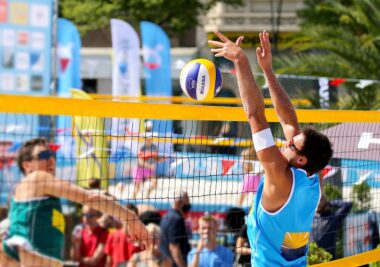
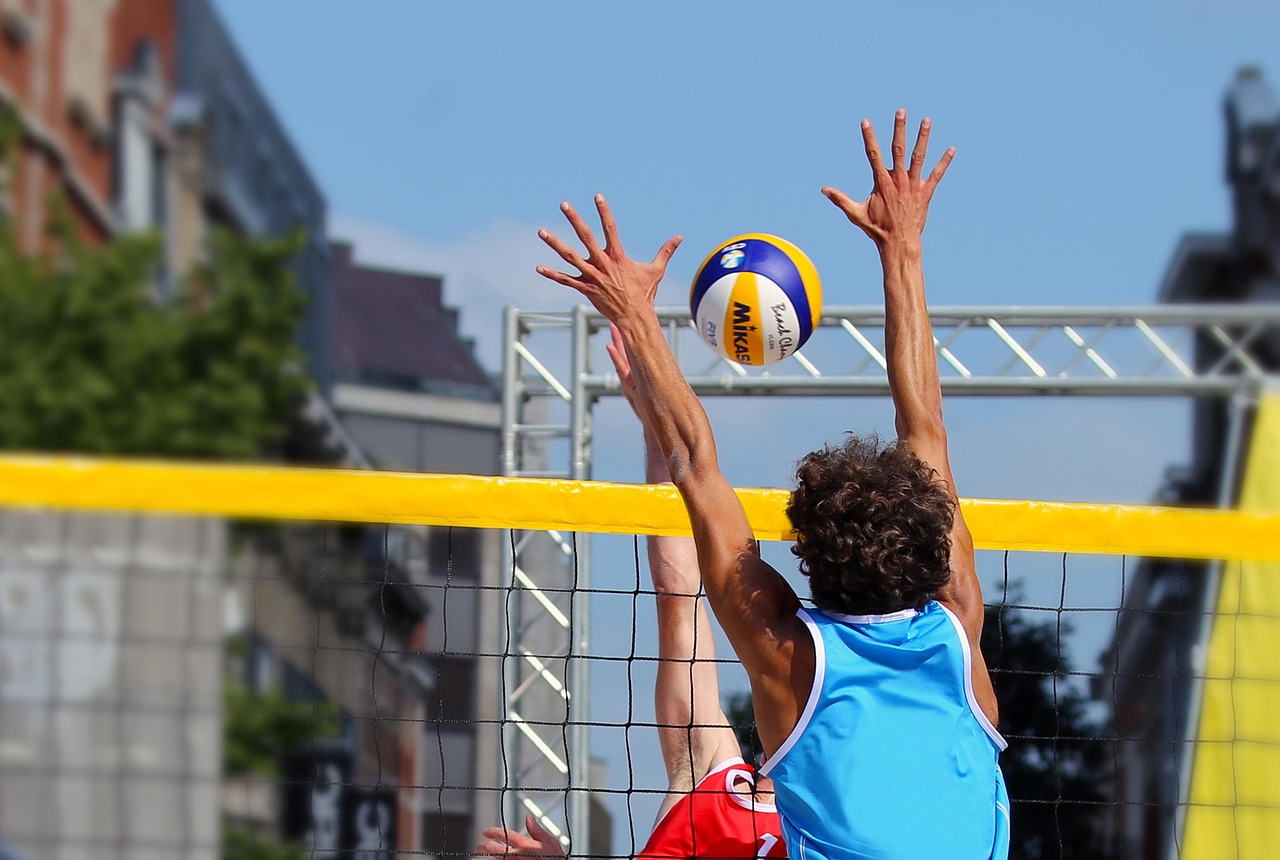
Hitting is a critical skill in volleyball, and jump training must specifically cater to the needs of hitters. A variety of exercises can improve their explosiveness and overall power. One effective drill is the medicine ball slam, which mimics the arm swing action of a powerful hit. When performed correctly, this exercise builds strength in the upper body while enhancing core stability. Another excellent option is the squat jump; it helps hitters to develop explosiveness from a stable base. Players should focus on proper technique and landing softly to avoid potential injuries. Further, plyometric exercises like jump squats can significantly enhance vertical leap and strength. Players can incorporate lateral jumps to develop agility and balance on the court. It’s essential to ensure there’s a recovery period between intense training sessions. This prevents over-exertion and allows muscles to repair and grow stronger. Implementing these targeted drills will not only improve jump height but also contribute to a more powerful performance on the attacking front. Consistency in practice and maintaining proper form is vital in achieving optimal results, as well as avoiding injury.
Setting the ball effectively requires more than just skill; it also necessitates a good vertical leap. Jump training tailored for setters focuses on generating power quickly to achieve this essential skill. Exercises that build explosive lower body strength are paramount. One effective jump training exercise is the plyometric lunge, which encourages quick bursts of movement necessary for setting. Players can perform this drill by lunging forward and immediately jumping off the ground, landing in a lunge on the opposite leg. This motion engages the core and legs, promoting overall power. Additionally, box jumps are effective for building the explosive force required in quick setting situations. By utilizing a high box, setters can enhance the strength of their jumping ability. Incorporating hurdle jumps can improve agility while training the lower body simultaneously. Training under fatigue can simulate real-game conditions; thus, having players execute jumps at the end of a practice session will test their stamina and technique. Overall, these jump exercises will help setters elevate their game, allowing them to perform effective sets under pressure, ultimately improving team dynamics during matches.
Jump Training for Libero and Defensive Specialists
The libero and defensive specialists play unique roles in volleyball requiring agility, quick reflexes, and precise movements rather than sheer jumping power. Nevertheless, their jump training must still focus on skills that enhance their ability to react to high-speed plays. Exercises should involve developing lateral movement and explosive reaction time. A great exercise for this purpose is lateral bounds, which train players to jump sideways quickly, mimicking the speed required for positioning during a game. Another effective training method is using reaction balls; these unpredictable bouncing balls help improve quick reflexes and foot speed. Implementing shuttle runs can offer substantial gains in agility while strengthening the legs as players switch directions rapidly. Likewise, resistance training, via bands or weighted vests, augments strength and power effectively. Incorporating jump-specific training alongside these agility drills prepares liberos and defensive specialists to meet the demands of fast-paced matches. Focused training helps them exceed their performance expectations, enhancing their capability to deliver crucial saves and set up offensive plays from the backcourt.
Progress tracking is essential in any athletic training, and jump training for volleyball should be no exception. Athletes must have a way to measure their vertical leap, explosiveness, and overall performance consistently. This could involve regular testing using jump mats, which provide quantitative data on vertical jumps. Setting specific targets for improvement helps keep athletes motivated and focused on their objectives. Additionally, it’s beneficial for players to document their jump training routines and results in a training log. Analyzing trends over time can inform adjustments to training regimens, ensuring that the athlete is on a path to success. Furthermore, engaging in a variety of jump training drills will provide well-rounded conditioning. A periodic evaluation every few weeks can help in recognizing the progress made and areas needing more attention. Incorporating feedback helps athletes refine their techniques, bolstering their efficiency during jumps. Overall, clear tracking of jump training is crucial for optimizing performance in volleyball, supporting athletes as they strive for excellence on the court, and allowing for timely adjustments in their training programs.
Importance of Recovery and Nutrition
Post-training recovery is a principle component of any jump training program and cannot be overlooked. Jump training often places significant stress on the body, especially the knees and lower back. Adequate recovery time helps muscles heal and adapt, ensuring accelerated improvement while minimizing injury risks. Techniques such as foam rolling and dynamic stretches can aid in recovery and improve flexibility. In addition, ensuring sufficient hydration and nutrition contributes to overall recovery strategies. Protein-rich foods support muscle repair, while carbohydrates replenish energy stores depleted during training. Athletes should incorporate whole foods into their meals, focusing on nutrient timing, consuming meals that include protein and carbs shortly after workouts. Such strategies keep the body strong and ready for the next training session. Also, sleep plays a vital role in recovery. Regular, restorative sleep improves performance, hormonal balance, and mental focus. Adequate rest combined with sound nutrition is essential for volleyball players looking to maximize the benefits of their jump training. Prioritizing these factors boosts performance and fosters a healthy training cycle, paving the way for continued progress.
By following these guidelines, volleyball players can create a robust jump training program tailored to their specific positions on the court. Targeted training can noticeably enhance players’ abilities, leading to better performance overall. With a focus on unique position demands, exercises can be creatively structured to maintain athlete engagement. Importantly, players must not only focus on strength-building exercises but also integrate agility, technique, and recovery protocols. Regular evaluations help measure effectiveness, ensuring the program evolves in line with individual athlete needs. These jump training efforts will create a foundation that enhances various on-court skills, from hitting to setting, and even defensive moves. Consistency, focus, and commitment are vital in crafting effective training sessions. When combined with passion for the game, players can achieve significant strides in their vertical jump, ultimately contributing to team success and personal development. Advocating for top-notch training practices can elevate volleyball competition levels, as players become more well-rounded athletes. Thus, as players continue refining their skills, embracing specialized jump training tailored to their roles will undoubtedly benefit their overall performance in the sport.