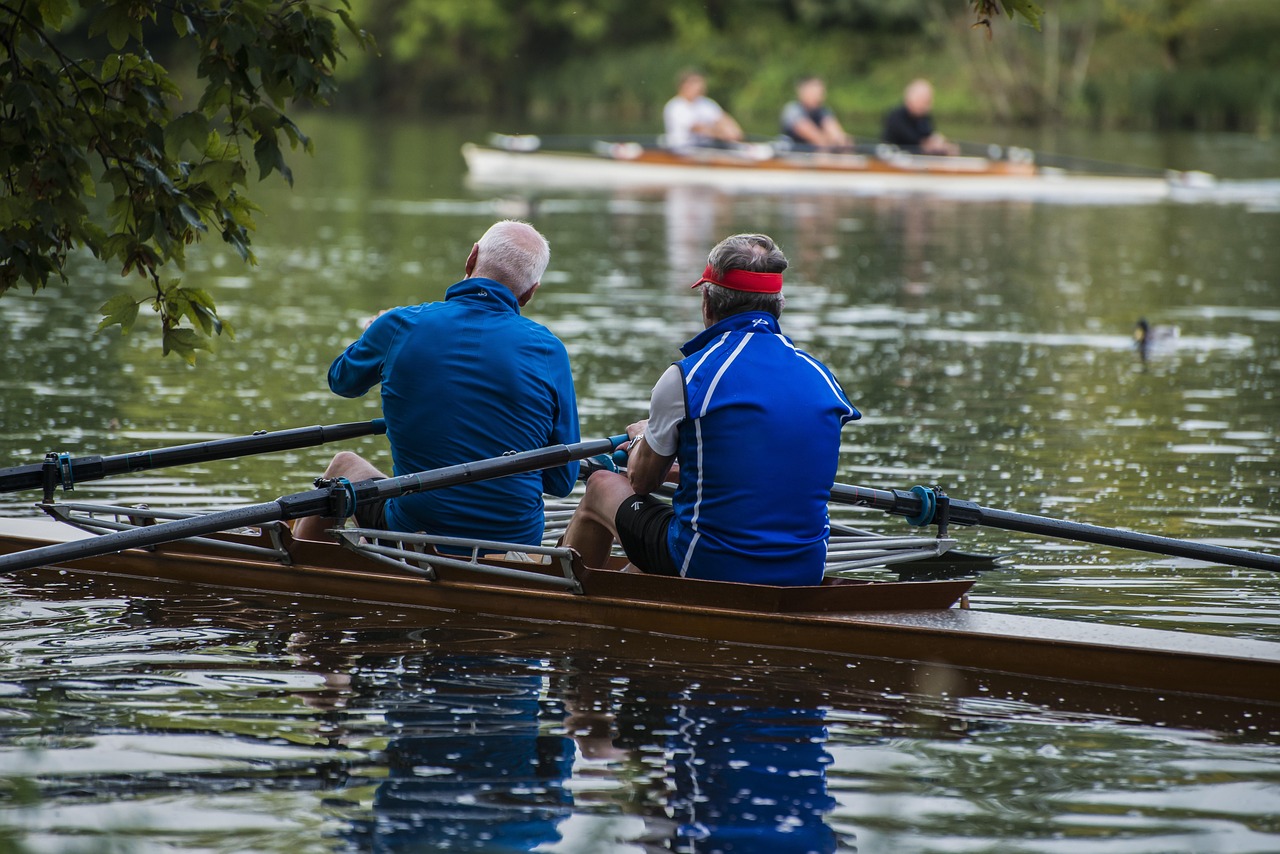

Periodization in Rowing: Planning Your Season Effectively
Periodization is essential in rowing training, as it systematically organizes a rower’s training schedule over a set duration. The objective is to optimize performance while minimizing injury risk and fatigue. An effective periodization model breaks down a seasonal plan into three distinct phases: macrocycle, mesocycle, and microcycle. Each phase has unique training goals and volumes that rowers should follow for peak performance. Rowers can benefit significantly from understanding these phases deeply, allowing them to plan their training weeks effectively. It is crucial for athletes to distinguish between these phases and understand their specific targets: endurance, strength, and recovery. Knowledge of how to navigate through these cycles provides a structured approach, greatly benefiting overall performance. Furthermore, employing periodization means rowers can track their progress more accurately by analyzing their performance at various stages. For instance, enhancing strength might occur in the off-season, while stamina gains become vital mid-season. Coaches play an essential role in this planning and should communicate clearly to ensure clarity and help every athlete in meeting performance goals.
Understanding Macrocycles in Rowing
The macrocycle represents the entire training period, typically lasting one season, including preparation, competition, and transition phases. During this broad timeframe, rowers focus on achieving long-term goals. It allows coaches to assess the overall trajectory of the athlete’s development. Each macrocycle has distinct phases; for example, during the preparatory phase, athletes focus on building general fitness and skill development. There are two main types of macrocycles: annual and multi-annual. In annual macrocycles, the rowers prepare for a single competition season, while multi-annual cycles support athletes planning for major events, such as the Olympics. Within these broader structures, the mesocycles are inserted, providing further detail on training focus and intensity. Comprehensive planning is vital, as it ensures that experiences from one season improve the next. Coaches should include rest periods in the macrocycle to prevent burnout. Ultimately, a well-mapped macrocycle leads to structured progression and allows rowers the chance to focus on specific skill improvements necessary for high competition. Proper execution of this phase lays the groundwork for successful performance.
Incorporating mesocycles into rowing training is crucial for developing a structured training plan. Mesocycles generally last for weeks or multiple months, focusing on specific goals like strength, endurance, or technique refinement. For effective preparation, training plans should alternate between various mesocycles ensuring that rowers remain physically engaged and stimulated throughout the season. Each mesocycle can be subdivided into microcycles, which represent the smallest training unit, usually spanning one week. Microcycles enable athletes to achieve short-term goals while aligning with the broader objectives of the mesocycles. Careful balance between volume and intensity is key during mesocycles to avoid overtraining and burnout. For example, an endurance-focused mesocycle would include longer rowing sessions at lower intensity levels, while the strength phase might focus on higher intensity, shorter workouts combined with weight training. Coaches must facilitate proper transitions between mesocycles to ensure athletes adapt progressively. Additionally, monitoring progress through tests and evaluations aids in determining whether each mesocycle is accomplishing its intended goal. All these factors contribute to a comprehensive rowing season focused on performance and peak readiness for important competitions.
Microcycle Strategies for Rowers
Microcycles are the fundamental building blocks of any rowing training plan, typically encompassing one to two weeks of focused workouts. The goal of a microcycle is to facilitate specific adaptations necessary for rowers to advance towards their performance objectives. Each microcycle should vary in intensity and training volume to achieve the desired physiological adaptations while preventing plateaus. For example, a microcycle might strategically include a combination of high-intensity interval training, steady-state rowing, and rest days, optimizing recovery and performance. Coaches should emphasize the importance of structured sessions, balance in energy expenditure, and recovery. Furthermore, incorporating techniques like cross-training helps in hitting fitness targets and reducing the risk of repetitive injuries. To maximize effectiveness, rowers should also focus on nutrition, hydration, and sleep, which are vital for recovery. Regular evaluations at the end of each microcycle help in understanding progress, allowing adjustments where necessary. Microcycles should act as milestones guiding the overall macrocycle and mesocycle goals. Rowers who leverage microcycles effectively can experience significant performance gains during the competitive season.
Recovery periods are vital components within a rowing season, as they allow athletes to recuperate and avoid overtraining injuries. Scheduling rest days within mesocycles and microcycles is essential for achieving optimal performance. Rowers often underestimate the importance of recovery, but it plays a crucial role in enhancing muscle repair and mental clarity. Coaches should incorporate recovery strategies tailored to each athlete’s needs, including active recovery sessions, yoga, or stretching routines. These activities help in improving flexibility and overall mobility, essential attributes for rowers. Moreover, post-training nutrition greatly influences recovery. Rowers should focus on replenishing glycogen stores and consuming adequate protein for muscle repair during recovery windows. Adequate sleep also plays a key role; researchers recommend at least seven to nine hours of quality sleep for athletes. Periodization, when well-executed, integrates recovery phases throughout training, contrasting intense sessions with rest and regeneration. Taking a proactive approach towards recovery dramatically enhances long-term athletic performance. By viewing recovery as an essential part of training rather than a setback, rowers can attain impressive performance gains and reduced injury risks.
Evaluating Progress and Adjusting Plans
Regular assessments of training progress are critical in rowing, as they provide insights into how well the training plan is working. Coaches need to implement structured performance evaluations throughout the macrocycle to ensure rowers are on track with their goals. This evaluation might include time trials, skill assessments, and fitness tests. Establishing benchmarks during training allows both athletes and coaches to adjust intensity and volume in subsequent cycles based on the results. Using technology, such as GPS trackers and heart rate monitors, can also facilitate these evaluations. Additionally, open lines of communication between athletes and coaches encourage dialogue concerning performance experiences. For instance, if a rower feels fatigue during a specific mesocycle, adjustments can be made to ensure they continue progressing without injury. Tracking performance metrics provides valuable information and helps create workout plans aligned with rowers’ individual needs. This kind of ongoing assessment aligns training with rowers’ strengths and weaknesses, ultimately enhancing their competitive readiness. Those who can consistently evaluate and adapt their training strategies typically see greater improvements in their rowing performance.
Finally, mental preparation is an often-overlooked aspect of rowing periodization yet plays a vital role in an athlete’s success. Mental coaching complements physical training throughout the year, ensuring rowers develop resilience, focus, and a driven mindset. Techniques such as visualization, goal-setting, and mindfulness practices can all greatly affect performance. Athletes should be encouraged to establish specific, measurable, attainable, relevant, and time-bound (SMART) goals across their training cycles. This ensures they remain focused and motivated during tough training days. Additionally, working with sports psychologists can further enhance mental strategies tailored specifically for rowing competitions. Incorporating mental recovery periods within the training plan is equally important, allowing time for reflection and incorporation of mental tools. The mental journey of rowing complements physical training, creating a synergy that leads to optimal performance. Athletes who prioritize and integrate mental conditioning alongside their periodized training plans often outperform their competitors who focus solely on physical attributes. This balance is crucial, ultimately allowing for an extraordinary rowing season with personal achievements.
In summary, effective periodization in rowing is not solely about the physical training but also about integrating mental preparation alongside fluctuating training loads across the season. Adventuring through the macrocycles, mesocycles, and microcycles enables rowers to achieve specific performance goals while progressively enhancing their technique and stamina. Meticulous planning and recovery are essential for maintaining peak performance, as is the ongoing monitoring of progress for necessary adjustments to the training plan. Emphasizing recovery ensures athletes are better equipped for high-intensity workouts, preserving their health and preventing burnout. Furthermore, inherently linking mental preparation with training establishes a robust framework for success, as mental toughness complements physical prowess. The ability to visualize success and set dedicated goals increases motivation and commitment throughout challenging training periods. Coaches and athletes should work collaboratively in developing a cohesive plan that addresses all aspects—physical and mental. This holistic approach will undoubtedly enhance the rowing experience and its overall outcome in terms of performance levels. Ultimately, periodization will enable rowers to navigate their careers, allowing them to thrive and achieve their athletic aspirations.