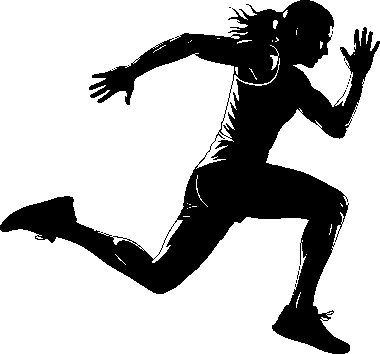

Sprint Mechanics in Different Athletic Disciplines
Sprint mechanics are crucial in a variety of athletic disciplines, particularly track and field. Understanding optimal sprint mechanics enables athletes to maximize speed and minimize the risk of injury. Various factors play essential roles in achieving excellent sprint mechanics, including body posture, limb movement, and muscle coordination. Sprinting involves high-intensity efforts, so athletes must train specifically for these goals. Additionally, biomechanical analysis allows coaches and athletes to identify strengths and weaknesses in an individual’s sprinting form. Proper training techniques can improve both acceleration and maximum speed. Athletes also vary in body types and leverages, influencing their sprinting efficiency. In numerous sports, such as football, soccer, and rugby, sprinting is an indispensable skill utilized during matches. Athletes often engage in various forms of sprint training, including interval workouts, resistance training, and plyometric exercises. By recognizing the influence of sprint mechanics on performance, athletes can tailor their training programs to enhance speed and agility. Implementing these principles effectively leads to better sprinting performance across disciplines. Ultimately, understanding sprint mechanics is foundational for any athlete seeking to excel in speed-related sports.
In addition to sprinting on the track, different disciplines require unique approaches to sprint mechanics. For example, sprinters in track and field focus primarily on linear speed. However, athletes in sports like soccer and basketball must also account for swift changes in direction while sprinting. Such multidirectional sprinting mechanics necessitate precise body mechanics. Oftentimes, athletes need to develop agility, which combines speed with body control. Incorporating drills like cone sprints helps foster these abilities in athletes. The use of strength and conditioning to build lower body strength and explosive power specifically benefits sprinting. Resistance sprints using sleds or parachutes can enhance muscle activation. Sprinting efficiency ultimately hinges on the athlete’s ability to maintain optimal stride length and frequency. Furthermore, proper breathing techniques contribute to sprinting performance. By controlling breath and maintaining a steady oxygen supply, athletes can sustain high-intensity efforts for longer durations. Another important factor influencing sprint mechanics is fatigue. Understanding how fatigue affects running form is critical to developing strategies for effective competition. Coaches prioritize maintaining mechanics throughout the race to ensure athletes achieve their full speed potential.
Factors Influencing Sprint Performance
Nutritional strategies play a significant role in optimizing sprint performance. Fueling the body with appropriate carbohydrates and proteins helps athletes sustain energy levels during training and competitions. Proper hydration also contributes to maintaining peak performance and preventing premature fatigue. Moreover, rest and recovery cannot be overlooked as they enable the muscles to repair and strengthen. Incorporating recovery techniques such as foam rolling and stretching enhances flexibility and prevents injuries. Athletes also benefit from mental preparation techniques to sharpen focus and build confidence. Visualization aids in preparing athletes psychologically for their sprints, enhancing their likelihood of achieving peak performance. Furthermore, understanding race start mechanics is critical for sprinters. A quick, efficient start can provide a significant advantage in races, allowing athletes to position themselves favorably. Key components of a powerful start include reaction time, body angles, and powerful push-off. As athletes develop their sprinting strategies, they must continuously evaluate their performance through competition. Assessments during training sessions help to refine techniques. Coaches and athletes should adopt a comprehensive approach to sprint mechanics, considering individual needs and sport-specific demands to foster long-term success in sprinting.
In addition to physical conditioning, mental training plays a crucial part in excelling at sprinting. Athletes often face pressure during competitions, leading to performance anxiety that can hinder their sprinting efficiency. Techniques such as mindfulness and breathing exercises can help ease nerves and enhance focus. Setting clear goals is also essential to motivating athletes throughout the training process. These goals should be specific, measurable, attainable, relevant, and time-bound (SMART). A clear focus provides athletes with the drive needed to push their limits. Furthermore, sprinting often involves teamwork, particularly in relay races. Team dynamics can influence an athlete’s performance, so coaches should emphasize communication and collaboration among athletes. Each relay team member must work seamlessly to execute flawless transitions, which directly impact the overall time. Implementing drills and practices that mimic real race scenarios further solidifies this collaboration. Moreover, recovery practices, including yoga and cross-training, contribute to maintaining sprinting efficiency by enhancing flexibility and endurance. It is essential to continuously evaluate and adjust training to optimize performance. Overall, mental preparation, goal-setting, and teamwork are crucial facets of sprint mechanics necessary for achieving success in various athletic disciplines.
Adaptations for Different Sports
Sprint mechanics also differ when comparing various sports. In football, players must master sprinting while avoiding tackles, adding to the complexity. Consequently, training focuses more on functional movements that mimic in-game scenarios. Such drills build strength and speed in more game-specific positions. Similarly, sprinters in rugby perform with continuous and varying intensity throughout the matches. Therefore, they often implement interval training to enhance endurance and recovery on the field. The importance of acceleration and rapid directional changes cannot be overstated. Soccer players also rely heavily on sprinting, frequently zig-zagging and changing pace during matches. Hence, their training includes a significant emphasis on agility and speed endurance. Athletes in these sports often utilize resistance training to build the necessary power and strength for effective sprints. Plyometric exercises further contribute to athletic performance by improving explosive power. Understanding the distinct requirements of each sport helps athletes tailor their sprint training accordingly. Individual assessments alongside targeted workouts can help maximize speed potential. Ultimately, acknowledging adaptations for various sports becomes essential for athletes aiming to master sprint mechanics.
Moreover, coaching plays a pivotal role in enhancing an athlete’s sprint mechanics. Expert coaching can significantly influence performance by offering tailored training regimens. Coaches analyze athletes’ movements, providing constructive feedback on techniques to refine their form. Utilizing video analysis can be particularly advantageous, as it allows for a clear evaluation of sprint mechanics. Coaches should continuously seek professional development to stay current on the latest advancements in training methods and technology. An adaptable coaching approach is crucial, considering the individual needs of each athlete. Additionally, building strong athlete-coach relationships fosters an environment conducive to growth and improvement. Coaches must intend on fostering a positive and motivating atmosphere to encourage peak performances. Furthermore, maintaining open lines of communication enables athletes to express any concerns or difficulties in training, facilitating adjustments when necessary. Accountability can drive athletes further towards their goals. In light of this, embracing a combination of support and autonomy helps athletes excel. They can take ownership of their training, promoting motivation and commitment. Consequently, effective coaching intricately weaves into the fabric of sprinting success across various athletic disciplines.
Conclusion: Mastering Sprint Mechanics
In conclusion, mastering sprint mechanics is essential for athletes seeking to enhance their speed, performance, and efficiency in various sports. A multidisciplinary approach integrating biomechanics, nutrition, and mental training can yield significant improvements. Athletes must focus on developing their unique sprinting styles while considering sport-specific requirements. Strategic training, including agility drills and resistance workouts, equips athletes to handle various situations on the field or track. Coaches should prioritize individualized feedback, harnessing technology to facilitate a deeper understanding of inefficiencies during sprints. Continuous assessments enable adjustments to training regimens, maximizing athlete potential. Moreover, understanding the role of fatigue and recovery strategies will contribute to maintaining optimal sprint performances. Encouraging a collaborative relationship between coach and athlete will further promote success in sprint mechanics. Overall, sprint mechanics not only affect performance but also significantly influence injury prevention. Paying close attention to health and technique helps athletes maintain longevity in their sports careers. The journey toward mastering sprint mechanics is ongoing; dedicated effort and commitment will lead to enhanced speed and improved athletic outcomes. By applying these principles meticulously, athletes can achieve excellence across disciplines, realizing their full sprinting potential.
With the right knowledge, strategies, and commitment, it’s possible for any aspiring athlete to excel in their sprinting endeavors. By focusing on the components of sprint mechanics, athletes can determine the best training methods for their individual needs. This tailored approach guarantees that each athlete can gain the most out of their preparation while minimizing the risk of injury. Furthermore, coaches play an instrumental role in guiding athletes to achieve their goals, ensuring that the mechanistic aspects of sprinting are prioritized in training. By leveraging technology and performance analytics, coaches can pinpoint areas for growth, creating individualized programs that enhance efficiency and effectiveness. The importance of recovery and rest can’t be underestimated, significant contributions to performance longevity come from effective recovery. Also, focusing on nutrition can provide the necessary fuel for athletes to excel. Sprinters can reap considerable rewards from implementing sound nutrition strategies designed for high-intensity performance. Combining these elements—physical training, mental conditioning, strategic recovery, nutritional guidance, and coaching support—forms a comprehensive framework for mastering sprint mechanics. Achieving success in sprinting is an attainable goal, requiring dedication and consistency.