
The Importance of Diversity in Gut Microbiota for Athletes
Gut microbiota diversity is a vital aspect for athletes because it plays a significant role in performance and recovery. A diverse microbiota consists of various microorganisms that contribute to a well-functioning gut. This diversity can offer numerous benefits, including improved digestion and enhanced nutrient absorption. Athletes require optimal nutrient uptake for energy and muscle repair, and a diverse gut flora supports this process. Furthermore, research suggests that a rich microbiome may help reduce inflammation, which can hinder athletic performance. The relationship between gut health and athletic capability underscores the importance of fueling the body with a varied diet. Foods rich in fiber, fermented products, and polyphenols can promote microbial diversity. It’s essential for athletes to integrate these foods into their diets to cultivate beneficial gut flora. In this way, the gut can help in synthesizing essential vitamins and minerals. Thus, investing in gut health through dietary diversity is crucial for athletic success. In contrast, a mono-diet can limit microbiota diversity, which may have adverse effects on an athlete’s performance and overall health.
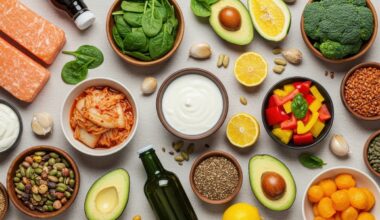
One effective approach to enhance gut microbiota diversity is through dietary modifications. Athletes should aim to incorporate a wide range of fruits, vegetables, and whole grains into their meals. Each food group possesses distinct prebiotic fibers and nutrients essential for different types of beneficial bacteria. For instance, legumes like beans are high in fiber that can support gut bacteria, while berries are loaded with antioxidants and polyphenols. Such diversity not only nourishes the gut but also boosts the overall immune system, an important factor for athletic performance. Maintaining a robust immune system can help athletes avoid illnesses that could derail training schedules. Additionally, fermented products like yogurt and kefir introduce healthy probiotics that further aid in balancing gut microbial health. By integrating these foods into everyday meals, athletes can work towards enhancing their gut microbiota diversity. Collaborating with nutritionists or dietitians can also help tailor a diet plan suited to individual needs. Overall, making informed food choices is crucial for those seeking optimal athletic performance and recovery.
The Role of Probiotics and Prebiotics
Probiotics and prebiotics play essential roles in supporting gut health, particularly for athletes aiming to boost their microbiota diversity. Probiotics are live microorganisms found in various fermented foods, and they help restore the gut flora balance. These beneficial bacteria can improve digestion, reduce gastrointestinal distress, and enhance immune function. On the other hand, prebiotics are non-digestible fibers that serve as food for these beneficial bacteria. Consuming a diet rich in both probiotics and prebiotics can help create a favorable environment for the growth of healthy gut microbiota. Foods like garlic, onions, bananas, and asparagus are excellent sources of prebiotics. Meanwhile, foods like sauerkraut, kimchi, and miso contribute probiotics. Incorporating these foods into daily meals can significantly impact an athlete’s gut health. Enhanced gut health not only supports better nutrient absorption for energy but may also aid in recovery after intense training sessions. Furthermore, a well-balanced gut microbiome can reduce the risk of gastrointestinal infections that interfere with training. Thus, athletes should be proactive in their dietary choices to improve gut microbiota diversity.
Recent research has highlighted the strong link between gut microbiota diversity and athletic performance. Athletes with a more diverse gut microbiome tend to experience better energy levels, improved endurance, and faster recovery times. The gut microbiota can also affect mental well-being, influencing an athlete’s motivation and focus during training. Studies indicate that athletes with robust microbial diversity can endure prolonged physical exertion more efficiently than their counterparts with less diverse microbiomes. Furthermore, a healthy gut may help maintain body weight and optimal physique, crucial for success in competitive sports. In addition to diet, hydration is vital for maintaining gut health, as proper fluid intake supports digestion and nutrient transportation. Athletes should aim to consume adequate water and electrolyte-rich drinks, especially during intense workouts. Those factors collectively cultivate a healthy gut environment, thus promoting performance and longevity in sports. Therefore, embracing practices that enhance gut microbiota diversity, including hydration and nutrition, is essential for boosting endurance and physical performance. Athletes must prioritize these aspects for consistency and long-term success.
Impact of Antibiotics on Gut Microbiota
Antibiotics can significantly disrupt gut microbiota diversity, which should be a major concern for athletes. When athletes need antibiotics for infections, these medications can kill both harmful and beneficial bacteria. This can lead to an imbalanced gut environment, paving the way for health issues like digestive disorders. A disrupted microbiome can result in decreased nutrient absorption, impacting performance and recovery. Therefore, it is crucial for athletes to be cautious when using antibiotics and consult healthcare professionals about alternatives. To counteract the negative effects of antibiotics, athletes can take probiotics or consume fermented foods to help replenish lost beneficial bacteria. It is also beneficial to follow up any antibiotic treatment with a diet that emphasizes prebiotics, helping to foster the growth of a healthy microbiome. Maintaining regular monitoring of gut health, especially after antibiotic treatments, can also ensure athletes remain in optimal form. Athletes should consider incorporating gut health awareness into their training routines, emphasizing protective measures that preserve microbiota diversity. Education on the impact of medications on gut health is vital for maintaining peak performance levels.
Gut health extends beyond the realm of diet and supplementation; it encompasses lifestyle factors that significantly influence microbiota diversity. Adequate sleep, regular physical activity, and stress management are all critical components. Athletes need to prioritize sleep, as it plays an essential role in recovery and metabolic health. Sleep deprivation can negatively impact gut health, leading to decreased microbial diversity. In addition, regular exercise has been shown to promote a diverse gut microbiome and enhance overall gut function. Maintaining a balanced approach to training, including periods of rest, is vital for achieving optimal performance. Furthermore, managing stress through mindfulness practices or relaxation techniques contributes positively to gut health. High-stress levels can lead to gut dysfunction and inflammation, which may sabotage athletic performance. So, adopting a holistic approach that blends nutrition, supplementation, lifestyle choices, and stress management is integral for athletes. This comprehensive strategy not only supports gut health but also enhances athletes’ performance and resilience. With consistent attention to these factors, athletes can cultivate a robust microbiome, essential for achieving personal bests in their sporting endeavors.
Conclusion
In summary, optimizing gut health through diversity in microbiota is crucial for athletes’ performance and well-being. A diverse microbiome supports improved digestion, nutrient absorption, and enhanced immune function, all of which are vital for athletes. Dietary choices, including the incorporation of a variety of fruits, vegetables, and fermented foods, lay the foundation for a healthy gut. Probiotics and prebiotics serve critical roles in promoting beneficial bacteria and sustaining a balanced microbiome. Furthermore, athletes must consider the impact of antibiotics on their gut flora and take proactive measures to replenish lost diversity. Lifestyle factors like sleep, exercise, and stress management are equally important. Athletes who prioritize these aspects of their health and performance will likely enjoy the benefits of a diverse gut microbiome, leading to improved energy levels, better recovery, and an overall enhanced athletic experience. Therefore, cultivating gut health should be prioritized alongside regular training and nutrition. This holistic approach allows athletes to achieve their best performance while safeguarding their long-term health.
Through a combination of nutrition, supplementation, lifestyle habits, and informed decision-making, athletes can greatly impact their gut health and microbial diversity. By remaining aware of the importance of these factors, athletes can enhance their overall performance and resilience in competitive sports.