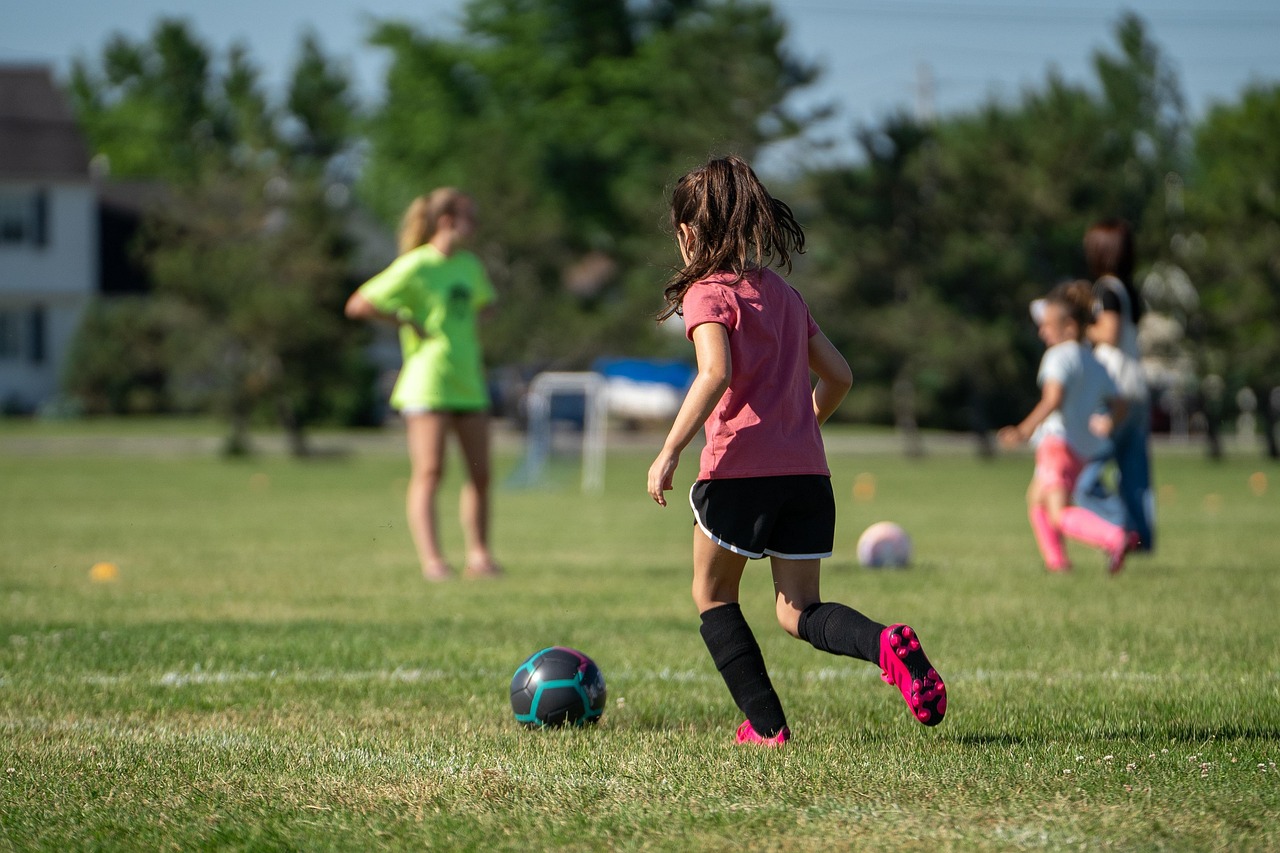

Creating a Positive Youth Sports Culture: Parents as Role Models
The involvement of parents in youth sports is pivotal in creating a positive sports culture. Children are often influenced by their parents’ attitudes and behaviors towards sports, whether it’s a game or casual play. Parental support can significantly enhance a child’s self-esteem and motivation. Parents should embrace supportive roles by cheering for their child and promoting sportsmanship. It’s crucial that parents discuss the importance of effort rather than just winning. This approach helps kids develop a healthy mindset towards competition. Involvement can also mean showing up to games, volunteering, and participating in team activities. By prioritizing time in their child’s sports events, parents demonstrate the importance of these activities. Open communication about goals and feelings regarding sports are essential. Parents should engage children in discussions around their experiences, helping them articulate their emotions. Setting realistic expectations for their child’s performance can prevent undue stress. Additionally, proper feedback is key. Parents should express both praise for effort and constructive feedback for improvement, helping children learn resilience. Ultimately, responsible parental involvement fosters an environment where youth athletes can thrive both on and off the field.
Establishing a positive youth sports culture requires parents to understand their impact on their children’s experiences. Frequent open conversations about sports can help children process various situations they encounter during games. Parents should encourage players to express their feelings when frustrations arise, easing the burden on young athletes. Parents can educate themselves about the sport, making them more effective supporters. Understanding strategies and rules helps facilitate healthier discussions after games. This way, parents can provide relevant feedback or ask thoughtful questions. Moreover, parents should utilize these conversations as teaching moments, reinforcing values like teamwork, commitment, and respect. Emphasizing the lifelong benefits drawn from participation in youth sports can make sports more about enjoyment than solely performance. Empowering children to set personal goals brings a sense of achievement. On the flipside, a positive youth sports environment can deter negative behavior during competitive moments. Parents play a role in modeling integrity by showcasing good sportsmanship, promoting respect towards referees, coaches, and opposing teams. Replacing overzealous criticism with encouragement effectively teaches children about accountability and grace when facing both victories and defeats, nurturing well-rounded individuals who value the learning experience.
The Role of Communication
Effective communication is a vital component of fostering a supportive environment in youth sports. Parents should establish a continuous dialogue with their children about their experiences and feelings while participating in sports. By soliciting emotional feedback after games, parents can gain a clearer understanding of their child’s mindset. Simple questions, such as how they felt about their performance or what they enjoyed most, can encourage children to express their thoughts. This open exchange builds trust and showcases to children that their feelings matter. Listening actively sends a message that parents are genuinely invested in their child’s passion. Furthermore, parents should often engage in discussions with coaches to stay informed about their child’s progress. By doing so, they can support both their child and the coaching staff effectively. Encouraging kids to communicate with their coaches fosters independence, showing them how to advocate for themselves. – Parents should highlight the distinction between constructive criticism and judgment, teaching children how to navigate life’s curveballs. Reinforcing the value of feedback positively shapes children’s views on criticism, pushing them to grow. Overall, maintaining open communication nurtures a constructive environment essential for a fulfilling youth sports experience.
Another essential aspect of parental involvement is leading by example. Parents serve as primary role models for their children, shaping their attitudes and behaviors within sports. When parents exhibit positive sportsmanship, whether at games or during practice, children are likely to emulate these behaviors. This modeling significantly influences how children cope with winning and losing. Consistent displays of good behavior, such as congratulating opponents and respecting referees, are crucial. Parents should strive to display a balanced attitude, managing their emotions effectively during competition. Supporting one’s child while also respecting the integrity of the game teaches invaluable life lessons. Moreover, appropriate reactions during games encourage children to develop resilience. Reinforcing that it is acceptable to feel disappointment but important to bounce back builds emotional intelligence. Equally important is avoiding pressure; parents should not project their dreams onto their children. Such expectations can create anxiety, causing kids to distrust their abilities. Instead, parents should seek to understand their child’s aspirations, reinforcing their individual goals. Successful parental modeling leads to healthier youth sports participation, focusing on the growth experience while keeping enjoyment at the forefront. Parents who exemplify these characteristics contribute constructively to a positive sports culture.
Encouraging Team Environment
Parents play a significant role in promoting a team-oriented environment. This sense of community empowers young athletes to feel connected, enhancing their overall sporting experience. Participation in team events, team meetings, and volunteer roles fosters relationships among families and builds a stronger camaraderie. When parents collaborate with coaches and each other, they create an inclusive atmosphere where athletes thrive. It’s essential for parents to encourage children to form friendships beyond the playing field, enhancing their social skills. Team activities can be enriched by organizing family days or team-building events that strengthen team bonds. This exposure cultivates respect for diverse opinions within the group. Furthermore, a united parental front sends clear messages to children about the importance of teamwork and cooperation. Children learn how to work collectively towards shared goals, which translates to effective collaboration experiences outside sports as well. A positive team environment mitigates issues like bullying or peer pressure since strong relationships serve as protective factors. When athletes feel secure in their teams, they’re likely to take risks and perform better. Ultimately, parental involvement in fostering a team atmosphere lays the foundation for a supportive youth sports culture.
To fully appreciate youth sports, parents need to recognize the critical balance between encouragement and pressure. It’s essential to nurture passion without overwhelming children. Parents should celebrate accomplishments, no matter how small, emphasizing their child’s efforts and improving skills. However, it is equally imperative to teach them that failure is part of growth. Young athletes need to understand the value of persistence. Parental pressure often comes from a place of love, yet it can lead to negative outcomes. Stress from unrealistic expectations can demotivate children, eventually reducing their participation. Parents must encourage children to chase their passions, allowing them to explore diverse sports or extracurricular activities. Keeping sports fun should always be a priority as it fosters long-lasting enjoyment. By steering clear of excessive critique, parents can highlight the significance of healthy competition. When athletes perceive their parents as supporters rather than critics, they develop stronger self-esteem. Additionally, this nurturing environment can lead to improved athletic performance. Balancing the two aspects paves the way for a constructive experience that benefits their mental and emotional health. In essence, parents should work towards creating a space where young athletes can flourish and enjoy their sporting journeys.
Final Thoughts
Creating a positive youth sports culture hinges significantly on parental involvement and attitudes. Parents have the unique opportunity to shape their child’s experience by adopting a nurturing approach that emphasizes enjoyment, effort, and personal growth. They should prioritize communication, modeling good sportsmanship, and fostering a team environment that promotes inclusivity. Encouragement, rather than pressure, paves the way for kids to thrive in competitive settings, establishing a healthy relationship with sports. Additionally, active participation in their children’s sporting events helps develop trust and reinforces a sense of belonging. Parents can empower youth athletes by allowing them to set their ambitions while supporting them in reaching their potential. As primary role models, parents must remember to practice the values they want their children to embody. By working together, parents create a foundation that nurtures growth, confidence, and resilience within youth sports. Ultimately, fostering a positive sports culture creates not only better athletes but also well-rounded individuals. Investing in these young athletes ensures they inherit values that resonate far beyond the fields, carrying skills and lessons into adulthood. The path to success is paved with support, understanding, and a commitment to building a thriving sports community.
Visualizing a youth sports culture rooted in positivity requires commitment not just from young athletes but also from their parents. The support from adults transforms the overall experience by creating an atmosphere that encourages kids to pursue their interests passionately. When parents prioritize their involvement consistently, they validate their child’s interests and aspirations. It is essential for families to engage in community activities, reflecting the importance of collaboration and teamwork. Encouraging children to be active players rather than mere participants solidifies their understanding of sports as a way of life. Moreover, parental insights on navigating challenges help kids develop practical skills applicable in various scenarios. This support instills a sense of responsibility whilst embedding the concept of discipline early on. The eventual impact extends beyond the sporting field, addressing mental resilience and emotional fortitude. As young athletes grow older, the lessons learned about teamwork, respect, and joy in sports serve as key contributors to their character. Through consistent encouragement and involvement, sports become powerful tools for personal development. Parents ultimately craft an enriching environment where children can grow into confident and motivated individuals prepared for life’s various situations.