
Cross-Training Drills for Parkour Vaults
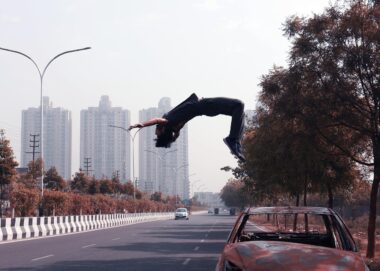
Cross-training for parkour is essential in developing strength, agility, and coordination. Vaults are a critical component of parkour, allowing practitioners to navigate obstacles. To improve your vaults, incorporating targeted drills into your routine can be highly beneficial. Focus on building explosive power and engaging the core and limbs. Begin with warm-up exercises to prepare your body for more intensive movements. Include exercises like box jumps, which mimic the upward motion of a vault. Additionally, practice dynamic stretches that emphasize flexibility in the hips and legs, as these areas significantly influence vault performance. Another effective drill is the precision jump, where you jump and land precisely on a designated spot. This builds landing accuracy and improves your overall body control. Experimenting with different surfaces and heights can also engage various muscle groups. Regular practice of hand placements and conditioning your arms through push-ups or leverage drills is vital for proper technique. Find a safe and open space to practice these skills consistently, as repetition will lead to improvement over time and will prepare you for actual vaulting in parkour.
Building Strength Through Parkour Vaults
Strength is a fundamental requirement for executing parkour vaults effectively. Focus on increasing both upper-body and core strength to enhance your vault fluency. Bodyweight exercises such as pull-ups, dips, and push-ups contribute significantly to this development. Incorporate these exercises into your workout regime at least three times a week. Progressively increase the number of reps or sets you perform to build endurance. Resistance band exercises can also be included to further develop explosive strength. Make sure to focus on form while performing these movements to avoid injury and maximize benefit. Plyometric exercises like box jumps or clap push-ups are excellent for building explosive power necessary for vaults. Also, consider engaging in sports like gymnastics, which impose similar strength demands. Additionally, consult with experienced practitioners or coaches for personalized advice on overcoming any challenges you encounter during training. By integrating strength building with versatility in movements, you will be positioned well to tackle various vaulting scenarios progressively. Remember the importance of rest and recovery to allow strength adaptations while contributing to effective performance in your vaulting journey.
Agility and Coordination Drills
Agility and coordination are pivotal for executing parkour vaults successfully. Incorporate drills that challenge your body to move quickly and efficiently through complex paths while refining your movement patterns. Ladder drills are fantastic for improving footwork coordination. Use an agility ladder to perform quick step patterns that emphasize lateral movement, boosting your overall agility. Additionally, cone drills can be utilized to enhance your ability to navigate obstacles swiftly. Set up various configurations of cones that require sharp directional changes and responsive movement. Another effective method includes practicing vault variations, such as the monkey vault, hip vault, and speed vault to develop muscle memory and reaction time. An essential aspect is visualizing your movements before executing them. Ensuring your mind maps out the motions will allow for a smoother execution once you’re in motion. You may also want to engage in partner drills to enhance unpredictability thereby requiring quicker decision-making. These exercises foster body awareness and improve your overall movement coordination, translating to more polished vaults as you tackle obstacles in your parkour practice.
Diverse learning scenarios enhance your vaulting technique further. Practicing vaults in different environments will prepare you for unexpected situations. Seek training partners to encourage feedback and showcase alternative techniques. Combine solo and partner training for well-rounded growth. Additionally, your practice sessions should incorporate soft landings to minimize the impact on your joints. Involve additional explosive sports training, such as sprinting and jumping, as these activities mimic the dynamics of vault techniques. Elevate your practice sessions by capturing video footage of your movements. Watching recordings will provide unique insights into areas of improvement. Be attentive to detail in your form and adjust based on previous performances. Focus on breathing control during exercises for sustained energy levels throughout. Allow varying rest durations between sets; find the ideal balance between adequate recovery and improved performance. Finally, consider attending workshops or training camps dedicated to parkour. These immersive environments offer opportunities for learning advanced techniques from experienced practitioners and gaining valuable insights into community practices. Make these elements integral to your training and continually challenge yourself with new vaults and obstacles.
One vital aspect of your cross-training is conditioning for endurance, enabling longer sessions of vault practice. Use interval training, alternating between high-intensity exercises and rest, to develop stamina for sustained physical exertion. Consider incorporating running drills into your routine, as running builds cardiovascular endurance while engaging various muscle groups essential for parkour. Similarly, swimming can be a great addition to your program to support joint longevity and recovery while further building aerobic endurance. Include exercises involving longer distances with various terrain types to enhance adaptability, much like what you’ll face in parkour. Each workout should include intensity progression seamlessly while monitoring your body’s response to increase durability and avoid injury. Engage in plyometric exercises such as burpees and vertical leaps, not only increasing strength but also conditioning the muscles used in vaulting. Adjust your activities based on how your body feels and what it needs for improvement. Understanding the balance between exertion and recovery will prove crucial in your overall training success. By strategically conditioning endurance, your vaulting execution will improve, and subsequently, your performance will reach new heights.
Safety during parkour practice should always be paramount. Familiarize yourself with the environments where you will be training and anticipate any hazards. Start by practicing on softer surfaces like grass or padded mats before transitioning to harder surfaces. Additionally, always warm up adequately to prepare your muscles and joints for high-impact activities. Strengthening lower body joints through specific exercises, such as ankle bands and calf raises, is highly recommended to enhance stability. Mentally prepare yourself by visualizing the techniques before attempting the vaults, reducing anxiety and enhancing focus. Use proper gear like helmets and padded clothing, especially when practicing new maneuvers. Seek feedback continuously from peers and coaches for insights on maintaining safety while executing complex vaults. Creating a safe and controlled environment for practice sessions enhances your confidence, allowing you to focus purely on improving your vaults. Avoid rushing through drills, take the time to perfect each movement pattern, and always listen to your body. Emphasizing a safety-first mindset will further facilitate growth and performance improvement through each practice session, allowing for better experiences in the parkour journey.
Finally, integrate recovery methods into your routine to support your physical health. Recovery plays a crucial role in developing strength and agility required for vaults in parkour. After high-intensity sessions, implement cooling routines. Stretching post-workout promotes flexibility while facilitating blood flow to your muscles. Incorporating foam rolling into your recovery process can alleviate tension in muscle fascia and speed up recovery. Maintain hydration levels to ensure optimal performance and muscle recovery, as dehydration can result in fatigue and decreased efficacy in movements. Prioritize nutrition by including protein-rich foods such as lean meats, legumes, and nuts to support muscle repair and growth. Additionally, consider discussing recovery options with a health professional, especially if feeling excessive strain or discomfort in the joints. Tracking your overall progress and adjustments in training should serve as a guide to how your recovery strategies are working. Regularly reflect on the balance between training intensity and recovery practices for continuous improvements in your vaults. By setting a structured routine, you will be well-prepared to achieve your goals in parkour while enhancing overall performance.