
CrossFit Seasonal Training: Preparing for Summer Competitions
Summer competitions in CrossFit can be exhilarating and rewarding. To excel during these events, an effective seasonal training plan is essential. This plan should focus on the skills needed for the specific competitions you intend to enter. Begin by assessing your current skills and fitness level. Identify weaknesses that need improvement and set strategic goals. Consider the various elements of CrossFit, including strength, skill, power, and endurance. A smart approach is to prioritize training based on the demands of the competitions. For example, if your competition emphasizes endurance, focus on longer workout sessions that build aerobic capacity. Conversely, if strength is key, concentrate on heavy lifting with appropriate rest intervals. Furthermore, incorporate regular assessments, such as benchmarks or competitions, to gauge progress effectively. It can also be beneficial to seek coaching or join a training group to enhance motivation and accountability. Remember, fueling your body with nutritious foods will aid recovery and performance. Lastly, stay connected with community and friendships that inspire and motivate. Doing so will keep your enthusiasm high as you prepare for the summer ahead.
As you build your CrossFit seasonal training plan, consider incorporating appropriate periodization. This method helps you continuously improve by systematically varying your training intensity and volume. Establish distinct phases that correspond to your summer competition timeline. Begin with a general preparation phase, focusing on building a solid foundation of strength and conditioning. Follow this with a specific preparation phase, emphasizing the skills and techniques applicable to your competitions. The competitive phase should intensify, centering on simulation workouts that mimic competition conditions, paying attention to strategy and pacing. Include recovery and transition phases in your plan, allowing adequate time for physical and mental recuperation. These may feature lower-intensity workouts or active recovery sessions. It’s essential to adapt your training according to how you feel, listening to your body while avoiding overtraining. Using training logs or apps can help track progress and adjust your plan. Furthermore, mental preparation and visualization often prove beneficial. Picture yourself performing well and overcome challenges to enhance confidence. Balancing training with other life demands is vital for sustainable progress. This ensures you maintain motivation and enjoy the process leading up to your summer competitions.
Incorporating Mobility and Recovery
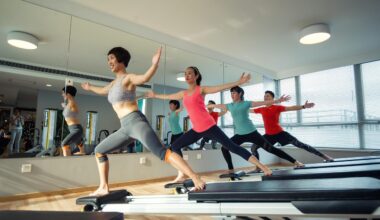
Integrating mobility work and recovery strategies into your seasonal training is vital for success in CrossFit. As you ramp up your training intensity ahead of summer competitions, ensuring proper recovery and maintaining mobility becomes increasingly important to prevent injuries. Essential aspects include stretching, foam rolling, and dynamic warm-ups designed to increase flexibility and range of motion. Incorporate regular mobility sessions focused on specific joints and muscle groups impacted by high-intensity workouts, which offers long-term benefits. After intense training sessions, consider active recovery strategies such as light aerobic work or yoga. These techniques enhance blood flow, aiding muscle recovery while reducing soreness. Additionally, prioritize sleep and nutrition. Quality sleep fosters muscle repair, while proper nutrient intake provides necessary energy and recovery support. Hydration also plays a crucial role; ensure you’re drinking enough water before, during, and after training. Supplementary strategies include contrast baths or massage therapy to facilitate recovery further. Adopting these practices will lead to improved performance, reduced injury risks, and greater endurance in competitions. Commit to making mobility and recovery just as essential as your workouts, and your body will thank you during competition time.
Nutritional strategies for summer competitions go beyond regular eating habits. Fueling your body with the right macronutrients is essential to optimize performance during training and competitions. Focus on a balanced diet rich in carbohydrates, proteins, and healthy fats. Carbohydrates are crucial for providing energy needed during high-intensity workouts. Whole grains, fruits, and vegetables should be prioritized. Protein helps with muscle recovery and growth, so ensure you’re consuming adequate amounts through lean meats, fish, dairy, or plant-based sources. Incorporating healthy fats from nuts, seeds, avocados, and oils is also essential for overall health and hormonal balance. Pre-competition nutrition may require additional strategies, such as carb-loading to maximize glycogen stores. Hydration plays a vital role, especially with hotter summer weather. Maintain educational practices about electrolyte balance and hydration needs during training sessions to avoid fatigue or cramping. Post-training, be mindful of recovery meals and snacks that include protein and carbohydrates to replenish stores. Monitor your body’s responses to the diet and adjust as necessary, utilizing trusted resources or professionals if needed. Focusing on nutrition will provide you with the energy and recovery needed to excel during summer competitions.
Specific Workouts for Summer Events
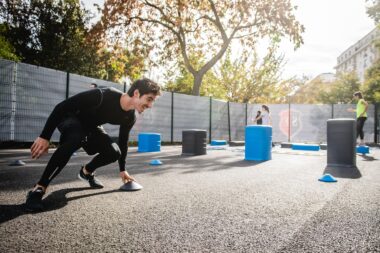
To specifically prepare for summer competitions, create targeted workouts that reflect the competition’s demands. Utilizing a varied approach can optimize training outcomes. Start with identifying the competition’s prescribed movements; are they strength-based, endurance-focused, or skill-intensive? Design your workouts around these elements. Include a series of high-intensity interval training (HIIT) sessions that emulate the competitive environment, utilizing a combination of Olympic lifts, gymnastics movements, and metabolic conditioning. Mixing up time domains can enhance adaptability, integrating short, intense bursts of activity with longer endurance sessions. This will train both your anaerobic and aerobic systems effectively. If the competition will feature elements such as obstacle courses or partner workouts, incorporate similar tasks into your training. This way, you can familiarize yourself with potential challenges. Set aside time for skill practice to refine movements like snatch, clean and jerk, and handstand push-ups. Additionally, don’t neglect to program recovery workouts that prioritize techniques for a smooth transition in strength, skill, and endurance. Tracking your performance with benchmarks during practice repetitions will help refine your focus in the weeks leading up to your important summer competitions.
As summer competition approaches, mental preparation becomes equally essential as physical training. Visualization, mindfulness, and mental rehearsal can notably enhance your performance. Spend time visualizing yourself successfully executing movements and overcoming obstacles. This will strengthen your mental resilience and confidence during actual competition. Moreover, practicing mindfulness techniques can help manage anxiety and stress related to the pressure of competition. Create routines that ground you before workouts, utilizing breathing techniques to center your focus. Consider strategizing your competition day carefully; know your heats, warm-up routines, and familiar movements. Developing a pre-competition plan will help in creating a sense of control and readiness. Engage in conversations with coaches or trusted peers about mental strategies and preparation. Journaling about your feelings and focusing on self-reflection can help you understand your mindset while allowing shifts in thought patterns. Lastly, cultivate a positive mindset by surrounding yourself with supporting teammates, friends, and family, which can elevate your motivation. Emphasize learning from experiences rather than solely focusing on results. Your mental approach can set apart your performance as much as physical prowess during the challenges you face in summer competitions.
Conclusion: Staying Committed to the Plan
CrossFit seasonal training for summer competitions requires dedication and strategic planning. Staying committed to your training, nutrition, recovery, and mental preparation is crucial for achieving your goals. Regularly assessing your progress and adapting your training based on feedback and goals will foster improvement and performance enhancement. Building resilience means navigating unforeseen challenges, whether they come from workouts or competition. Allow flexibility in your approach while focusing on consistency and commitment to daily practices. Whether it’s integrating mobility, refining techniques, or enhancing mental strength, each aspect contributes to your overall readiness. Moreover, remember that the journey itself is as valuable as the outcomes. Connect with fellow athletes, share strategies, and celebrate growth and experiences, relishing the community aspect of CrossFit. Reflect on your achievements and obstacles with positivity. Utilize the summer months to embrace the thrill of competition and growth. Lastly, always trust in the preparation you have put into your seasonal training plan. When you step into competition terrain, you will see all the effort manifest in your performance, leading to an enriching experience full of opportunities.
In summary, preparing for summer competitions in CrossFit entails focused training and strategic planning to optimize performance. By incorporating mobility work, effective nutrition, targeted workouts, and mental preparation, athletes can set themselves up for success. Flexibility in training, along with community support, creates an enriching journey. Emphasizing consistent effort helps in overcoming challenges, making the transition smoother while allowing for fulfillment and enjoyment, regardless of competitive outcomes.