
Cryotherapy and Massage: Timing Strategies for Maximum Recovery Benefits
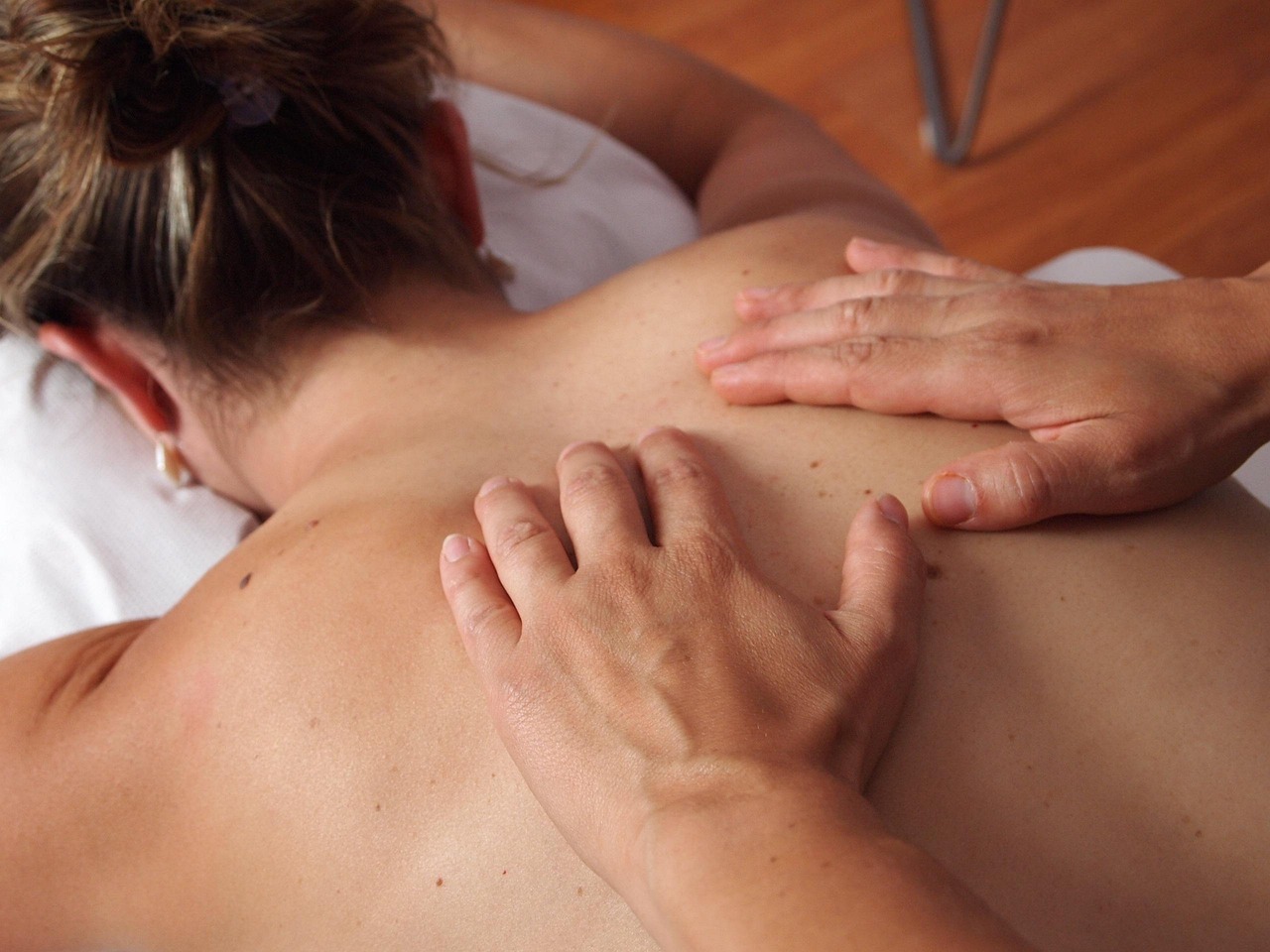
Cryotherapy and massage are popular recovery modalities among bodybuilders. They serve not only to alleviate soreness but also to aid muscle recovery. Understanding when to use these treatments is crucial for maximizing their benefits. Cryotherapy involves exposing the body to extremely cold temperatures to prompt various physiological responses. This technique can reduce inflammation, enhance circulation, and improve recovery time. Furthermore, massage therapy aids in muscle relaxation, increases blood flow, and can promote quicker recovery from intensive training sessions. Timing is a critical aspect; utilizing cryotherapy soon after workouts can help in reducing post-exercise soreness. Conversely, massage can be most beneficial when done on non-training days or at least a few hours post-exercise. The combination of these modalities can lead to significantly improved performance outcomes and reduced injury risks. With this in mind, it is advisable for athletes to consider personalized recovery schedules that gently incorporate cryotherapy alongside massages.
The science behind cryotherapy is fascinating and shows how it affects muscle recovery. When exposed to extreme cold, the body responds in various ways, such as constricting blood vessels and reducing metabolic activity. This response can be beneficial post-exercise, as it may lead to a decrease in muscle soreness and damage. Additionally, once the body warms back up, a rapid influx of blood flow occurs, bringing nutrients and promoting healing. On the other hand, massage interventions have been shown to lower levels of the stress hormone cortisol. This can be particularly advantageous for bodybuilders who often experience high levels of stress during intense training cycles. When combining these treatment modalities, it is important to tailor the timing of each session. For example, athletes may find that alternating cryotherapy and massage enhances their overall recovery. This rhythm of treatment can maintain muscle integrity and minimize downtime between workouts. Consequently, athletes will want to evaluate their performance and recovery patterns distinctly, setting up a regimen specific to their training demands and recovery preferences.
Benefits of Cryotherapy and Massage
Both cryotherapy and massage offer unique benefits that contribute to overall recovery. The prospective advantages vary, making strategic implementation essential for success. Cryotherapy is known for reducing inflammation, which is key in post-exercise recovery. This modality assists in maintaining optimal muscle function, leading to fewer injuries. In contrast, massage therapy is effective in breaking down the tension in muscles, which can accumulate from rigorous workouts. Improved blood circulation also plays a vital role in nutrient delivery to muscles, enabling quicker recovery post-training. Furthermore, incorporating both strategies can amplify their respective benefits. Research has shown that athletes using combined treatment methods report lower levels of soreness and a sense of well-being. Maintaining a balance between physical exertion and recovery methods helps prevent overtraining. By strategically integrating cryotherapy and massage, bodybuilders can enhance their workout efficacy and longevity in the sport. Always remember that listening to the body and adjusting recovery strategies as needed will contribute significantly to athletic performance and body sustainability.
Scheduling cryotherapy and massage requires careful planning. Athletes must consider their training intensity and personal recovery rates. Cryotherapy should ideally occur within the golden window following high-intensity sessions, generally within 24 hours. In contrast, massage can be more flexible. Scheduling it around rest days or during recovery phases can significantly minimize soreness. It is also effective when used pre-workout to prepare muscles or post-workout to alleviate tightness. Planning these recovery techniques into a weekly routine can provide a critical advantage. Weekly plans may include multiple cryotherapy sessions and at least one massage. Combining these treatments enhances recovery mechanisms and contributes to optimal muscle performance. Whether through a personal trainer or recovery specialist, receiving professional guidance on scheduling can yield better results. Additional factors such as nutrition, hydration, and overall lifestyle will also impact recovery outcomes significantly. Building a solid foundation in recovery will benefit bodybuilders in the long run, ensuring longevity in fitness pursuits.
Common Misconceptions
Several misconceptions exist regarding the effectiveness of cryotherapy and massage in recovery. A common myth is that these treatments can replace proper rest and nutrition. In fact, they are complementary methods, assisting in maintaining recovery but not substituting the body’s fundamental need for sleep and nutrition. Another prevalent misconception is the idea that more frequent sessions lead to faster recovery. Instead, balance is critical; overuse of cryotherapy or massage can lead to fatigue or overstimulation. Athletes should seek a personalized recovery plan rather than one-size-fits-all solutions. Additionally, some may believe that only professional athletes benefit from these modalities. In reality, any active individual can enjoy recovery benefits regardless of fitness level. Ultimately, understanding the science behind these recovery methods is crucial for optimizing their use. Bodybuilders need accurate information to establish effective recovery routines to support their training intensity. By dispelling these misconceptions, athletes can utilize cryotherapy and massage more effectively in their recovery plans.
When devising a recovery plan, the frequency and timing of cryotherapy and massage sessions are crucial factors. A typical cryotherapy session can last around three minutes, while the recommended frequency varies between one to three times per week. The timing of these sessions should correspond with the athlete’s training schedule. It’s beneficial to use cryotherapy immediately post-training or on active recovery days to reduce the bulk of delayed onset muscle soreness (DOMS). Conversely, massage sessions are often recommended every one to two weeks. Targeted massage sessions can be customized to fit the training cycle, such as deep tissue work during high-volume training phases or lighter sessions during recovery weeks. Combining these modalities optimally promotes muscle repair while preventing potential burnout or injuries. By carefully scheduling sessions, athletes can maximize the physiological benefits each time. This coordination ensures that recovery does not just happen haphazardly but rather forms an integral part of the training process. The combination of adequate recovery practices will allow athletes to hit their fitness goals more effectively.
Implementation and Results
Implementing cryotherapy and massage into training routines will undoubtedly yield positive results in recovery and performance. Athletes need to keep track of their recovery progress over time to gauge effectiveness. Utilizing journals or apps may help in documenting sessions, training loads, and recovery metrics. This comprehensive approach ensures that recovery practices align with personal training and performance goals. Observing trends over time can help athletes understand when they feel best regarding muscle recovery and overall performance. Based on those insights, athletes may adjust the timing or frequency of their sessions. Consistency is key; suddenly ceasing these practices after implementation may lead to diminished returns. Results may take time to manifest, but a dedication to recovery will pay dividends in the long run. Moreover, integrating feedback from trainers and therapists can enhance the overall recovery strategy. The collaborative efforts of different recovery strategies will ensure that athletes continue to grow and thrive, experiencing manageable and sustainable recovery throughout their training careers.
In conclusion, the importance of timing when using cryotherapy and massage cannot be overstated. Integrating both modalities strategically into a personalized recovery plan is crucial. By balancing these recovery techniques with rest, hydration, and nutrition, athletes set the foundation for successful training. Cryotherapy provides initial relief from soreness, while massage encourages longer-term recovery by addressing muscle tension. Working synergistically, both can lead to optimal recovery and therefore support continued performance improvements. Bodybuilders are often subject to intense training regimens, and taking timely advantage of recovery modalities gives them an edge. Ensuring proper timing and frequency is vital to achieving the best results. As emerging research continues to elucidate the benefits of these modalities, bodybuilders will undoubtedly find innovative ways to optimize their recovery. Adapting practices to suit personal needs will foster a supportive training environment, ultimately satisfying athletic aspirations. The integration of advanced recovery techniques sets the stage for holistic health in bodybuilding, paving the way for ongoing success during competition seasons.