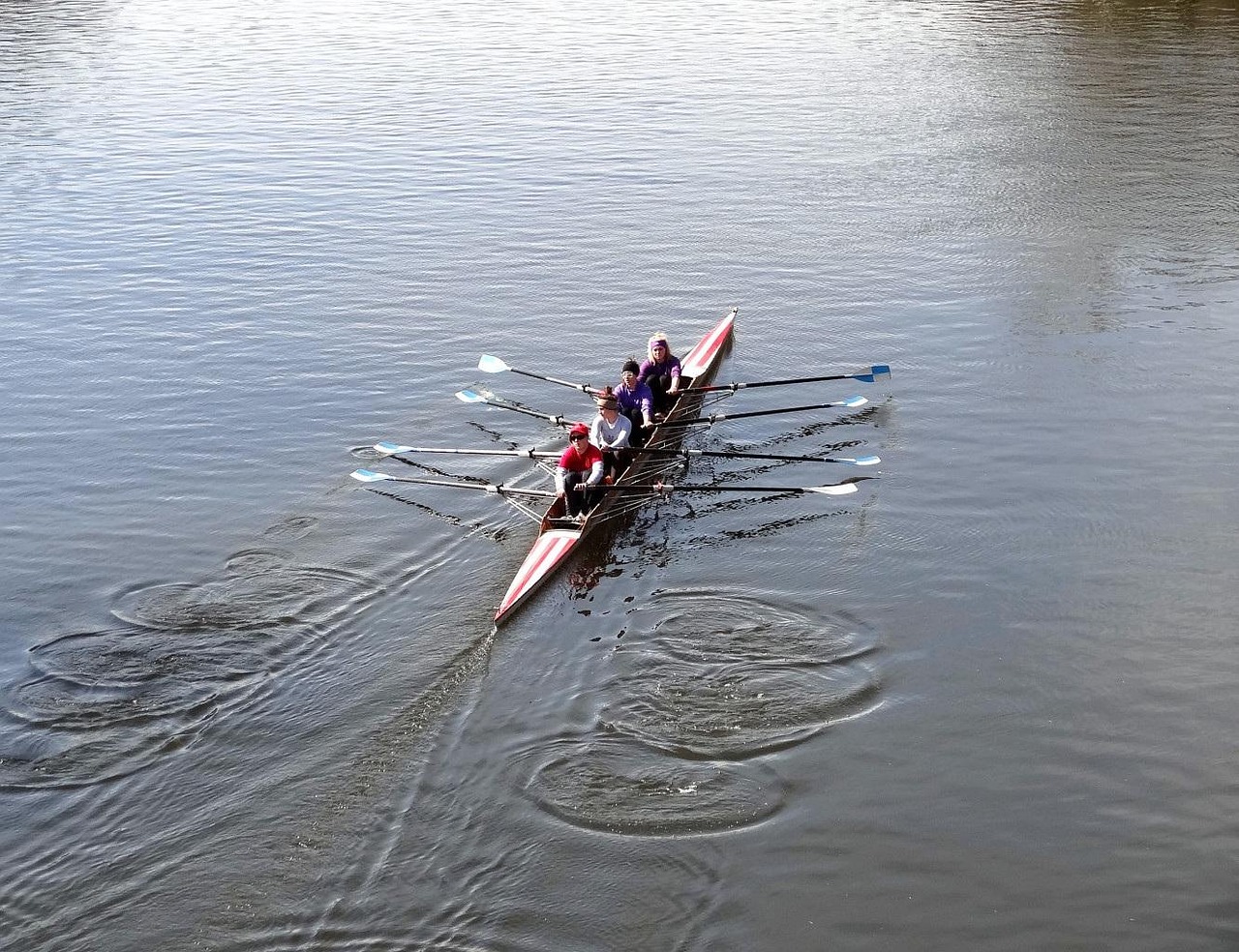

Handling Competition Stress: Coaching Mental Preparation
Competition can evoke significant stress in rowers, which is often magnified by the pressure to perform at high levels. As coaches, it’s crucial to help athletes understand and manage these feelings for improved performance. Through mental preparation strategies, rowers can cultivate resilience and focus. One effective method is scenario visualization. Instruct rowers to visualize their race day, focusing on optimal performance and positive outcomes. This takes practice but can build confidence. Another essential aspect is encouraging athletic mindfulness. Mindfulness techniques help rowers stay present, minimizing distractions during the race. Simple exercises, such as deep breathing or focusing on rowing mechanics, can assist in achieving this state. Additionally, it’s vital to create a supportive team culture. Celebrating small victories and efforts, regardless of the competition outcome, fosters camaraderie and reduces performance anxiety. Lastly, ensure athletes have the proper tools for coping with distractions during high-pressure situations. Overall, these mental preparation strategies can enable rowers to face competition stress with courage and composure.
Beyond individual techniques, it’s effective to incorporate mental preparation into regular training sessions. Athletes should practice under conditions that mimic competition stress, which helps develop coping mechanisms. Set up mock races and simulate competition scenarios. This practice provides insights into how each rower handles pressure. Coaches can guide them on adapting their strategies amidst competition situations, ensuring they are prepared for unexpected changes. Incorporating feedback from these mock races is essential. After each session, coaches can hold debriefs, allowing rowers to express their feelings and thoughts on the experience. This reflection encourages self-awareness, particularly in recognizing stress triggers. Moreover, it promotes collaboration among team members, as they share techniques that work best for them. It’s crucial the team learns from each other, creating a collective approach to mental toughness. To build this culture of support, coaches should foster open communication, enabling rowers to discuss their fears and challenges. As the team strengthens its bond, it becomes better equipped to face the pressures of real competitions, enhancing both individual and collective performance.
Building Mental Resilience in Rowers
Building mental resilience is key for rowers, particularly in preparing for competitions. This process involves nurturing a growth mindset, where athletes view setbacks as opportunities for improvement. Coaches should emphasize this outlook regularly, fostering a learning environment that values effort over immediate results. Encourage rowers to set SMART goals—Specific, Measurable, Achievable, Relevant, and Time-bound. These goals help maintain motivation and a sense of direction. Regular check-ins on progress can also enhance this focus, allowing athletes and coaches to celebrate achievements, however small. Emphasizing the importance of adaptability during race scenarios further builds resilience. Rowers should be equipped to adjust their techniques and strategies in real time. Encourage them to remain mentally flexible and open-minded amidst challenges. Furthermore, implementing positive affirmations can significantly influence an athlete’s mindset. Encourage rowers to develop their affirmations tailored to their aspirations and strengths. Reciting these affirmations can build confidence before races while reinforcing positive self-image. Ultimately, resilience in rowing is nurtured through a combination of mindset, goal-setting, adaptability, and affirmations.
Another critical component of mental preparation involves establishing rituals that reduce anxiety before competitions. Coaches can assist rowers in identifying pre-race routines that equate to calm and focus. Whether it’s listening to music, performing warm-up exercises, or reviewing race strategies, these rituals make the competitive atmosphere feel familiar and controlled. Consistency is vital—practicing these rituals during training enhances their effectiveness on race day. Encouraging team rituals, such as a collective huddle or team chant, can strengthen bonds while promoting focus among rowers. This help creates a unified energy, directing everyone’s mindset toward success. Additionally, physical fitness training should be tailored to complement mental training. Explore working on aerobic conditioning alongside pull-ups and strength training; a well-conditioned athlete can feel more confident in their abilities. Preparation for the physical demands of the race must align with their mental readiness. Encourage athletes to engage in regular physical training to maintain not only physical strength but also emotional equilibrium. When athletes feel strong physically, it directly influences their confidence, making them mentally prepared to tackle competition anxiety successfully.
The Role of Positive Support in Coaching
Providing positive support as a coach significantly impacts how rowers handle competition stress. Coaches should foster an environment where athletes feel valued and respected. Acknowledging each athlete’s hard work creates a sense of belonging, helping rowers perform. It’s essential to communicate openly with the team, discussing stress management techniques while making them feel comfortable sharing their experiences. Reinforce their capabilities, as this motivates rowers to confront competition with a better attitude. Highlighting past successes also plays a powerful role—reminding athletes of their achievements can instill belief in their abilities. Regularly implement team-building exercises to cultivate trust and camaraderie within the team. Building relationships among team members encourages collaborative learning while decreasing feelings of isolation. If an athlete opens up about their fear, address it with empathy and understanding. Offer practical suggestions to alleviate anxiety, focusing on solutions rather than dwelling on fears. Ultimately, creating a positive support network enables rowers to seek guidance during tough moments, leading to enhanced mental resilience during competitions.
Effective communication is paramount for coaches working with rowers, especially in managing competition stress. Establishing a two-way communication channel enhances trust, enabling athletes to disclose their concerns comfortably. This, in turn, allows coaches to tailor their approach, ensuring they meet each rower’s unique needs. Utilize regular feedback sessions, where rowers have the opportunity to discuss openly what works for them and what does not. It’s pivotal that coaches encourage athletes to ask questions and express doubts, mitigating confusion and anxiety. Employing tools like athlete journals can facilitate this communication; athletes can document thoughts and feelings while reflecting on their progress. Coaches can review these journals together with the rowers, fostering deeper understanding and connection. Additionally, adopting a coaching style that emphasizes encouragement over criticism provides a safe space for athletes to thrive. Strive to create an unbiased atmosphere where mistakes are viewed as learning experiences rather than failures. This mindset not only eases competitive stress but also empowers rowers to embrace challenges with a fresh perspective, leading to improved performance and enjoyment in the sport.
Final Thoughts on Coaching Mental Preparation
Focusing on mental preparation in rowing cannot be overstated. Coaches who understand the psychological aspects of competition are better equipped to guide their athletes effectively. As competition approaches, instilling strategies to manage stress becomes essential for success. It’s not just about physical prowess but also mental fortitude. Regularly incorporate discussions around mental preparation into practice, highlighting its significance. Empower athletes to take ownership of their mental health through techniques like visualization and mindfulness. These skills not only enhance performance, but promote overall well-being, building a more resilient athlete. Coaches should cultivate a nurturing role alongside their traditional coaching responsibilities. Creating a climate of support and understanding paves the way for athletes to thrive, both during training and competition. Finally, emphasizing the importance of adaptability enables rowers to remain composed under pressure. Recognizing changes and adjusting strategies can make all the difference in a race. As athletes learn to manage their competition stress, they become not only better rowers but also more confident individuals, ready to face challenges on and off the water.
Conclusion: Embracing Mental Preparedness
In conclusion, preparing rowers to handle competition stress effectively is essential to their overall development and performance. Coaches play a pivotal role in this process by facilitating mental preparation strategies that empower athletes. Implementing practices such as goal-setting, positive affirmations, mindfulness, and scenario visualization can significantly enhance rowers’ capabilities. Building a culture of support, open communication, and resilience among team members contributes to a more robust coping mechanism for stress. The focus should lie not only on preparing athletes physically but also equipping them mentally for the challenges of competition. By fostering an environment where athletes understand their mental health is prioritized, coaches can influence their performance positively. Ultimately, when rowers feel confident in handling pressure, their performances are not only improved, but they also gain invaluable life skills. Embrace the principles of mental preparedness in coaching to cultivate well-rounded athletes. Rowers empowered by mental resilience develop a better understanding of their strengths and weaknesses, fostering growth. Equip your athletes with the tools to navigate competitive landscapes, and watch them excel both in rowing and in life.