
Harnessing the Power of Meditation and Yoga for Senior Brain Health
As we age, maintaining brain health becomes increasingly important. Meditation and yoga practices are effective tools to enhance cognitive function. Engaging in these activities not only promotes physical wellness but also nurtures mental clarity. Regular practice encourages mindfulness, which can significantly improve concentration and focus. Moreover, these activities facilitate stress reduction, a key factor that contributes to various cognitive decline issues. Seniors who participate in yoga often find it easier to manage anxiety and depressive symptoms, as they cultivate a tranquil state of mind. Furthermore, meditation has been associated with the enhancement of neuroplasticity, allowing the brain to reorganize itself based on new experiences. These routines encourage older adults to connect with their inner selves, thus providing a deeper understanding of personal well-being. Comprehensive programs that integrate breathing techniques, gentle movements, and thoughtful meditation create an empowering environment for seniors. Additionally, social interactions during classes foster a sense of community, combating feelings of loneliness, which contribute negatively to brain health. Each element cleverly intertwines to support overall cognitive function, presenting a holistic approach to maintaining mental agility.
The Benefits of Meditation for Seniors
Meditation is a powerful practice particularly beneficial for seniors looking to enhance their brain health. Research has shown that consistent meditative practices can improve attention spans and enhance memory retention. By focusing on breath and bringing awareness to the present moment, seniors can better manage distractions. This mental discipline is crucial as cognitive functions may deteriorate with age. It encourages a greater sense of mental clarity and emotional stability throughout life’s challenges. Incorporating practices such as mindfulness meditation can aid in reducing cortisol levels, a hormone associated with stress, thus promoting a calm state of mind. Stress has numerous negative implications for both mental and physical health. Meditation can also improve sleep quality, which is essential for cognitive restoration and functioning. Better sleep leads to improved memory consolidation processes, influencing overall brain capabilities positively. As seniors engage in these practices regularly, they notice an increase in their overall quality of life. Furthermore, meditation cultivates resilience, allowing seniors to adapt more faithfully to life changes. Regular meditation can help seniors embrace life’s transitions with grace and ease, fostering emotional and mental strength through established routines.
Yoga offers a multitude of physical, mental, and emotional benefits that are particularly useful for seniors. Engaging in yoga promotes flexibility, strength, and balance, which are crucial in maintaining independence as we age. Many seniors experience modifications in their physical abilities, causing them to shy away from exercises. Yoga can be adapted to fit individual needs, ensuring that seniors can participate safely and comfortably. Gentle attempts at asanas can lead to improved circulation and mobility, combating the sedentarism that often affects older demographics. Moreover, the integration of breath control with physical movement aids in promoting relaxation and alleviating tension in the body. This combination naturally progresses to enhanced focus and mindfulness, encouraging seniors to remain present during physical activity. Regular yoga practice encourages harmony between the body and mind, facilitating better emotional regulation within personal lives. Classes specifically designed for seniors offer tailored modifications, ensuring that all participants feel valued and able to engage fully. These environments contribute to building friendships and connecting with peers, enhancing emotional well-being significantly. Ultimately, yoga serves as a positive influence, contributing to both physical vitality and emotional resilience throughout golden years.
Combining Meditation and Yoga
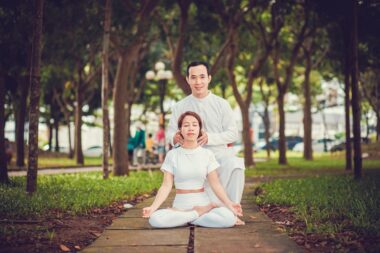
Many senior wellness programs are embracing the combination of meditation and yoga practices. This integrated approach creates a comprehensive toolkit for promoting brain health. The link between physical movement and mindful awareness through yoga prepares the mind for meditation, while meditation allows for deeper introspection post-practice. Having a seamless transition between yoga and meditation can amplify relaxation effects. Practices like guided meditation following a yoga session enable seniors to relax their bodies and minds completely. This holistic routine creates a harmonious cycle of rejuvenation, where cognitive clarity continually improves. Furthermore, together they cultivate a resilient mindset, equipping older adults with coping mechanisms for daily stresses. These sessions commonly foster a community sense, allowing participants to share experiences and build friendships. Shared experiences enhance the overall return and engagement rates in exercise classes. Incorporating both practices into daily life enables seniors to harness their full potential for cognitive, emotional, and spiritual health. Meditation nurtures emotional awareness, while yoga encourages physical strength; together, they act as powerful allies in sustaining well-being throughout aging.
The brain health of seniors is not only influenced by physical activities but also mental exercises. Engaging in activities like crossword puzzles, memory games, and reading is beneficial. It counters mental stagnation while prolonging cognitive vitality, which yoga and meditation cannot recreate by themselves. Understanding that multiple dimensions impact brain health is essential. Maintaining social connections is equally integral for brain health. Engaging in communities and friendships reduces isolation, a prevalent issue among older adults. Hence, balancing physical and social activities alongside yoga and meditation is pivotal. Yoga promotes community spirit, while meditation fosters personal introspection. Combining these approaches creates a comprehensive framework for seniors to foster brain health optimally. Studies have also indicated that participating in varied activities can encourage neurogenesis, cultivating new neural pathways crucial for memory and learning. Seniors are encouraged to embrace new hobbies and interests beyond just physical movement, as diversifying their daytime activities can lead to an enriched quality of life. Maintaining a proactive stance on their wellness journey enhances cognitive resilience. Lifelong learning should remain a goal, offering engaging opportunities for growth and stimulation throughout lifetime experiences, enabling a fulfilling and vibrant senior life.
Conclusion: Embracing Yoga and Meditation
In conclusion, the integration of yoga and meditation into senior wellness programs can significantly enhance overall brain health. Understanding the multifaceted approaches needed for cognitive maintenance is essential. Both practices provide unique benefits that collectively promote mental clarity, emotional stability, and physical vitality. Seniors should consider exploring such avenues as part of their holistic health experience. Yoga provides tools for physical engagement, while meditation nurtures the minds and emotional well-being, creating a perfect balance. Seniors are urged to explore community classes and programs tailored for their needs. Seeking guidance from trained instructors can ensure safety and efficacy in practice, providing seniors with a sense of accomplishment while engaging with peers. Furthermore, adopting these practices fosters personal connections with others, enriching social health. Establishing a routine that interweaves both yoga and meditation creates lasting habits that contribute positively to brain health over time. Seniors can build resilience through mindful practices and physical activity, allowing them to approach challenges with confidence. Ultimately, embracing these practices leads to enriched, fulfilling senior experiences, empowering older adults to live their best lives as they gracefully age.
The global rise of technology has made embracing and incorporating modern tools in yoga and meditation practices easier for seniors. Online platforms provide access to an array of resources. Many offer guided classes, videos, and communities that foster connections among practitioners. Such digital tools aim to include seniors who may have mobility or transportation challenges affecting their participation. By utilizing apps or video platforms, seniors can participate in practices from the comfort of their homes. This flexibility ensures that even those with limited options can embrace a wellness routine without barriers. Innovative technology encourages older adults to remain connected with yoga and meditation practices, keeping them engaged amid life’s changes. Many applications integrate reminders and progress tracking, motivating seniors to maintain consistency in their practice. As they cultivate healthier habits, seniors benefit from enriched brain health, emotional regulation, and social connections. Adapting to technology supports cognitive flexibility as they learn to navigate new platforms and digital resources, fostering a growth mindset. In a fast-evolving society, embracing the convergence of traditional practices with modern technology can lead to a profound transformation in senior wellness journeys.
Thus, the path to enhanced brain health for seniors lies in incorporating meditation and yoga into their daily routines. The profound benefits experienced can enrich the quality of life significantly. Moreover, as communities emphasize the importance of mental wellness, initiatives that encourage participation in these practices will grow increasingly important in the coming years. By promoting awareness of their impact on cognitive function and mental health, seniors can be more encouraged to engage actively. Continuity in these practices fosters a nurturing and supportive environment for older adults, enabling families and communities to participate together in fostering better health. As awareness of mental health’s role in senior wellness expands, more innovative solutions and community programs will emerge. Integrating yoga and meditation enables stronger physical, emotional, and cognitive well-being among directly influenced individuals. Ultimately, fostering intergenerational understanding of the mind-body connection will create lasting benefits, making mindfulness practices a core element of modern senior wellness strategies. Through dedicated attention to both social and personal growth, seniors can navigate aging gracefully and vibrantly with a proactive approach towards maintaining their brain health.