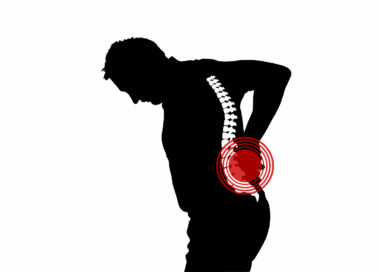

Impact of Poor Posture on Musculoskeletal Health
Poor posture can have severe consequences on musculoskeletal health, leading to repetitive strain injuries. When individuals consistently maintain incorrect positions, especially during prolonged periods of sitting or standing, they may experience discomfort and pain. Key areas affected include the back, neck, and shoulders. For example, slouching can lead to strain on spinal structures, resulting in chronic pain. Additionally, forward head posture places immense pressure on the cervical spine, often leading to headaches or tension. Furthermore, improper workstation ergonomics can exacerbate these issues. Implementing strategies to enhance posture at work can have profound effects on overall health. It is vital to adjust chair height, maintain proper monitor distance, and practice regular stretching exercises. Developing awareness about body alignment is crucial for preventing musculoskeletal disorders. Ultimately, addressing poor posture can lead to enhanced productivity and well-being. When workers feel comfortable, they can focus better and work more efficiently. Individuals should be proactive about posture, utilizing tools such as ergonomic chairs, standing desks, or even posture-corrective devices. Understanding these elements will significantly contribute to a healthier work environment and lifestyle.
Repeated strain injuries, particularly in office environments, highlight the importance of proper ergonomic practices. Workers often find themselves hunched over keyboards or sitting for extended periods, which leads to stiffness and pain. Workplace ergonomics are designed to prevent such issues by optimizing the interaction between workers and their workspace. Essential changes include ensuring that screens are at eye level, using chairs that support spinal curves, and encouraging short breaks to alleviate tension. Employers play a crucial role in fostering a culture of health by facilitating regular assessments and adjustments to workstations. Training staff on the importance of taking breaks can also increase awareness of their body mechanics. Moreover, encouraging exercises that stretch and strengthen postural muscles can benefit workers both physically and mentally. After all, healthy employees are often more productive and engaged. Therefore, it is vital to create an environment where workers feel encouraged to move and adjust their sitting positions. Investing in ergonomic solutions should be viewed as a long-term investment in the workforce. Businesses that prioritize workplace safety ultimately cultivate a motivated, efficient, and loyal team, preventing potential medical costs leading to financial burdens.
Statistics on Repetitive Strain Injuries
Repetitive strain injuries (RSIs) have become increasingly prevalent in modern workplaces, attributing to significant health concerns among employees. According to recent studies, approximately 50% of all work-related injuries stem from poor ergonomics and bad posture. These injuries often range from mild discomfort to debilitating conditions that impede daily activities. Common RSIs include tendonitis, carpal tunnel syndrome, and lower back pain — all linked to improper body mechanics. The financial implications can be staggering as well, with billions of dollars lost annually in healthcare costs and decreased productivity. Employers and employees must collaborate to mitigate these issues. By fostering awareness around RSIs, companies can implement proactive measures to protect their workforce. This includes informing employees about proper posture, providing ergonomic tools, and encouraging regular movement throughout the day. The return on investment is substantial, as a healthier workforce directly correlates with reduced absenteeism and improved morale. Furthermore, training sessions on body mechanics can enhance overall awareness. By addressing the statistics surrounding RSIs, both employees and employers can take action to create safer, more productive work environments.
Long-term consequences of poor posture cannot be ignored, as they may lead to chronic conditions if not addressed promptly. Ignoring signs of discomfort often results in escalating problems, requiring medical intervention for relief. Prolonged poor posture can lead to alterations in spinal alignment and muscle imbalances, making simple activities increasingly painful. For individuals working at desks or in similar environments, consistent pressure on specific areas can hinder movement and cause long-lasting damage. Therefore, cultivating mindfulness about posture is essential for maintaining health. Strategies such as chest openers, shoulder rolls, and neck stretches can contribute to better alignment and overall well-being. Additionally, investing in ergonomic furniture can assist in creating a supportive workspace. A focus on health also aids in psychological well-being, as pain and discomfort can negatively impact mood and productivity. Worker education sessions on body awareness can raise understanding of the intricate connections between posture and health. By prioritizing ergonomics, individuals can limit their risk of chronic pain and enhance their quality of life. Ultimately, embracing these changes can pave the way toward a healthier and more productive career.
Practical Tips for Improving Posture
Improving posture is an attainable goal with practical strategies. Firstly, maintaining awareness of your posture throughout the day is essential. This requires intentional focus; check in with your body position regularly. Secondly, setting up an ergonomic workspace tailored to individual needs can significantly enhance comfort. For instance, adjust the chair height so feet rest flat on the ground while the knees align with hip level. Thirdly, invest in a supportive chair designed for your body type and work requirements. These chairs can reduce strain on the back and support spinal alignment effectively. Furthermore, practicing regular stretches can counteract the stiffness that often accompanies static postures. Simple exercises, such as neck stretches or shoulder shrugs, can be performed throughout the workday to combat tension. Taking scheduled breaks to stand, walk, or perform light exercises can also aid in improving circulation and maintaining energy levels. Lastly, consider incorporating yoga or pilates into your routine, as these practices promote body awareness and alignment. By implementing these tips, individuals can enhance their overall posture and reduce the risk of injuries in their daily lives.
Another vital aspect of addressing poor posture is fostering a culture of communication within the workplace. Employees must feel empowered to express discomfort or concerns about their work environment. Creating a platform for open discussions allows employers to identify issues before they escalate. Regular check-ins can help assess employees’ well-being, facilitating timely adjustments in workspace ergonomics or design. Companies can also introduce wellness programs aimed at educating staff about the importance of posture and body mechanics. Activities such as workshops, lunch-and-learn sessions, and physical fitness programs can support this initiative. When staff engages in learning together, it cultivates a sense of community and motivates personal responsibility. Additionally, encouraging peer support can enhance adherence to postural awareness practices among colleagues. Moreover, providing accessible health resources, such as physiotherapy consultations or ergonomic assessments, reinforces the commitment to a healthy workforce. Ultimately, empowering employees to take ownership of their health fosters resilience. A collaborative approach ensures that everyone plays a role in maintaining a safe and healthy work environment, with effective posture being a shared goal among all team members.
The Role of Technology in Ergonomics
Technology plays a significant role in developing ergonomic solutions for better posture and preventing injuries. Advancements such as software applications and wearable devices assist individuals in maintaining good posture throughout the workday. Many apps serve as reminders to take breaks or adjust seating positions when needed. Wearable technology like posture-correcting devices provides real-time feedback to help users remain mindful of their alignment. These innovative tools contribute to long-term behavior changes, fostering a proactive approach to posture. Furthermore, virtual reality and gaming technology offer new dimensions in understanding body mechanics. These immersive experiences can train individuals in recognizing ideal postural positions while engaging in physical activities. Additionally, organizations are increasingly utilizing artificial intelligence-driven solutions to assess workplace ergonomics and identify areas for improvement. Analyzing data from employee movements can guide employers in optimizing workspaces more effectively. With technology evolving continuously, integrating these advancements into workplace health strategies can enhance overall employee well-being. As ergonomics become synonymous with technology, they can provide an essential foundation for a healthier work environment, ultimately leading to a happier, more productive workforce.
In summary, addressing poor posture is essential for preventing musculoskeletal health issues, particularly in a professional setting. By fostering awareness of ergonomics and implementing practical strategies, employees can substantially improve their well-being. Results from proper ergonomic practices manifest in reduced absenteeism, enhanced productivity, and overall job satisfaction. Creating an environment that prioritizes posture leads to a happier workforce, directly benefiting organizational health. Investing in ergonomic resources and training is ultimately an investment in the workforce’s quality of life. Moreover, the integration of supportive technologies can enhance individuals’ understanding of their body mechanics. By empowering employees to take an active role in their health, organizations can create a sustainable and effective approach to workplace wellness. With continuous commitment towards improving posture, companies and employees alike can cultivate a secure, thriving work atmosphere. Keeping an open channel of communication and providing available health resources reinforces the importance of ergonomics. As awareness spreads, the collective effort to maintain good posture can lead to transformative workplace benefits. Prioritizing posture isn’t just a trend; it reflects a comprehensive commitment to overall health, enhancing both individual and organizational productivity.