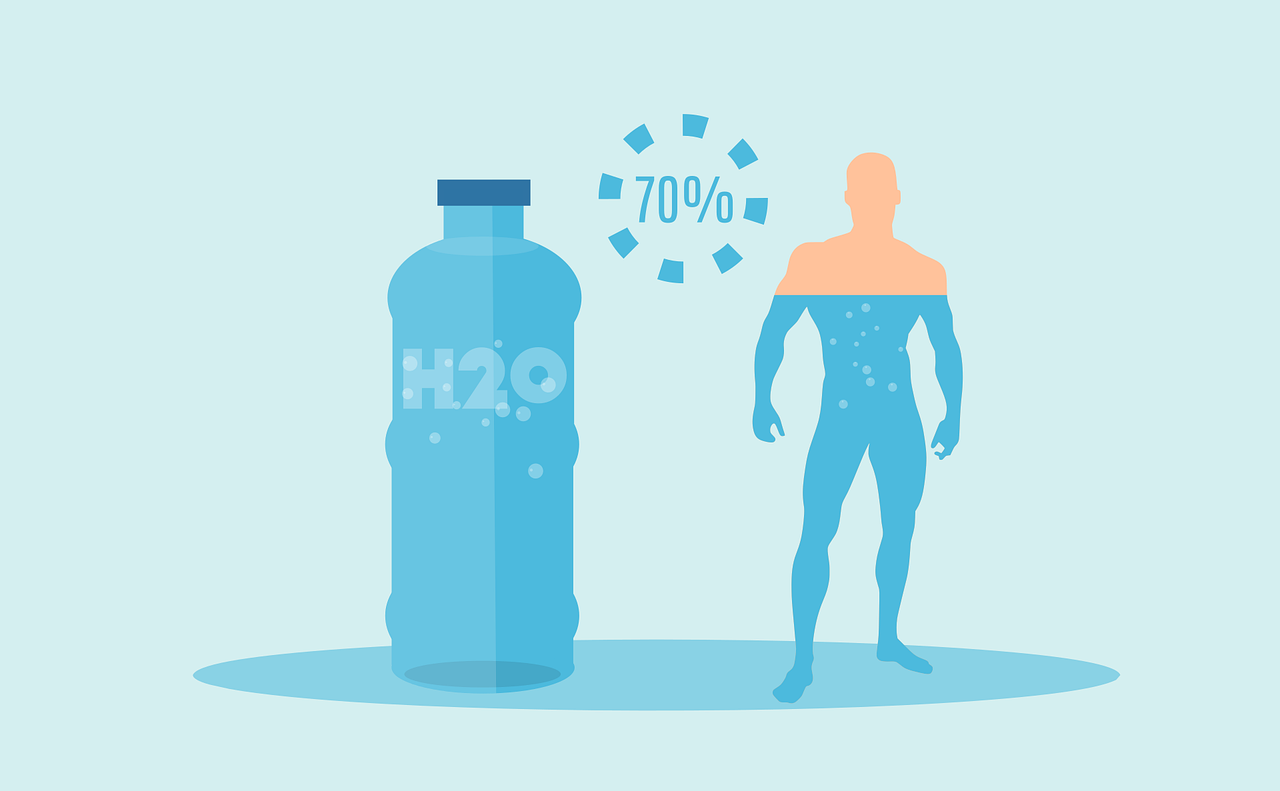

Key Factors Influencing Body Water Balance in Athletes
Understanding body water balance is crucial for athletes, as it directly impacts their performance and recovery. Body water balance refers to the equilibrium between water intake and loss. It is influenced by several factors, including fluid consumption, environmental conditions, exercise intensity, and individual physiology. Athletes must be aware of their hydration levels to maintain proper physiological functions. Dehydration can lead to reduced endurance, decreased strength, and impaired thermoregulation, making it critical to establish effective hydration strategies. Considering the complexity of body water balance, athletes should tailor their hydration practices according to personal needs and training demands. Nutritional guidance can further enhance hydration status, as foods with high water content also contribute significantly to fluid intake. Tracking hydration levels should be a routine practice for athletes, allowing them to adapt their fluid intake based on various factors, including sweat rates during exercise, activity duration, and weather conditions. Proper understanding of hydration strategies can help athletes optimize their performance, enhance recovery post-exercise, and ensure they remain at peak physical potential during competition.
In addition to fluid consumption, electrolyte balance plays a vital role in maintaining hydration status in athletes. Electrolytes, such as sodium, potassium, and magnesium, help regulate fluid balance, muscle contractions, and nerve signaling. When athletes sweat, they lose not only water but also electrolytes, which can lead to an imbalance that affects performance and health. Replenishing these electrolytes during prolonged exercise becomes essential. Sports drinks containing a balanced mix of electrolytes can effectively restore lost minerals and assist in fluid retention. However, athletes must be cautious about sugar content and choose products that complement their dietary requirements. An alternative strategy involves consuming whole foods rich in electrolytes, such as bananas for potassium or nuts for magnesium. Understanding how to balance both fluid and electrolyte intake enables athletes to maintain optimal hydration, perform better, and reduce the risk of cramping. Monitoring urinary output and color can be a practical way to gauge hydration levels. If urine is light yellow, hydration is typically adequate, whereas darker colors indicate the need for increased fluid and electrolyte intake to restore balance.
The Role of Climate and Environment
Climate significantly affects body water balance, particularly during outdoor athletic activities. High temperatures and humidity can lead to increased perspiration, further depleting hydration levels. Athletes exercising in hot environments must pay extra attention to their hydration needs. Consequently, pre-hydration becomes key in such conditions. Replenishing fluids both before and after strenuous training sessions helps combat dehydration. Additionally, when competing in environments with extreme temperatures, athletes should consider modifying their performance schedule. Early morning or late evening training sessions are ideal when temperatures are cooler. It is also essential to acclimatize to the climate; gradually increasing time spent in the heat allows the body to adapt and improve thermoregulation. Athletes may need to drink more fluids than usual and seek shade or air conditioning after exertion. Emphasizing hydration strategies that consider climate and environmental conditions can enhance overall athlete performance. Coaches and trainers should monitor weather forecasts, urging athletes to stay hydrated accordingly. Hydration apps that track water intake can be useful for setting reminders and managing fluid consumption during training sessions.
Physical activity intensity is another critical factor impacting body water balance. During intense workouts, fluid loss through sweat rises, necessitating a proportional increase in fluid intake. Athletes must understand the relationship between workout intensity, duration, and total fluid requirements. For example, long-distance runners and cyclists may experience acute dehydration, as their fluid losses can reach significant levels in hot weather. Therefore, hydration strategies should include fluid replenishment during training, particularly during sessions lasting over an hour. Consuming water or electrolyte-rich beverages at intervals helps to minimize fluid loss and prevents dehydration. Additionally, post-exercise hydration is equally important, as it aids in recovery and muscle repair. Maintaining proper hydration can directly influence workout performance, as well-hydrated muscles contract more efficiently. Experimenting with different hydration strategies, such as pre-loading with carbohydrates or utilizing flavored electrolytes, helps athletes find the best approach to sustain performance during intense exercise. Conducting sweat tests to determine individual sweat rates can also guide athletes toward personal hydration solutions tailored to their unique needs.
The Importance of Monitoring Hydration
Effective hydration strategies necessitate consistent monitoring of fluid intake and status. Athletes need tools to ensure they maintain optimal hydration levels. Self-monitoring techniques like weighing oneself before and after workouts can help gauge fluid loss. A body weight decrease of 2% or more is a warning sign of dehydration. Furthermore, using a hydration log or app can enhance awareness of daily consumption patterns and exercise-related fluid losses. Athletes can record the types and amounts of drinks consumed, linking this information to performance outcomes during training and competitions. Utilizing urine color as an indicator of hydration status is also recommended; clear urine typically shows good hydration, while dark urine indicates insufficient fluid levels. Leveraging these monitoring strategies helps athletes adjust their hydration accordingly and can proactively prevent dehydration-related performance declines. Establishing a routine of ingesting fluids before feeling thirsty is advantageous as thirst often signals that dehydration is already beginning. Coaches can play a supportive role by promoting a culture of proper hydration practices among athletes, reducing barriers to maintaining optimal hydration and improving sports performance.
Individualized hydration plans are essential amid factors affecting body water balance. Each athlete possesses unique characteristics, including sweat rates, body composition, and personal preferences, leading to varied hydration needs. Some athletes may require more frequent fluid intake, while others manage with less frequent hydration breaks. Conducting individualized hydration assessments can refine strategies. Coaches can facilitate this process by supervising sweat tests to establish how much fluid an athlete loses per hour of exercise. Furthermore, athletes should adjust fluid intake based on external factors such as temperature and exercise duration. Creating personalized hydration guidelines might also incorporate dietary considerations, such as increasing fluid-rich foods or beverages. This tailored approach to hydration allows athletes to feel more in control of their performance, as well as improving recovery times. Furthermore, education on hydration should be an ongoing dialogue, fostering a sense of responsibility and understanding between athletes and coaches. Athletes need to be empowered to make informed decisions concerning their hydration strategies, leading to more effective and sustainable sporting outcomes in the long run.
Conclusion: Hydration as a Performance Enhancer
In conclusion, hydration plays an integral role in an athlete’s overall performance and well-being. Understanding body water balance and the various factors influencing it allows athletes to develop effective hydration strategies tailored to their individual needs. Factors including fluid intake, electrolyte levels, environmental conditions, exercise intensity, and personal physiology collectively determine an athlete’s hydration status. By prioritizing hydration and implementing the recommended strategies discussed throughout this article, athletes will significantly enhance their performance. Regular monitoring and adjustment of hydration practices will also aid in recovery, further contributing to peak physical potential. Hydration should not merely be an afterthought but an essential component of an athlete’s training regimen. As fitness research continues to advance, athletes and coaches alike should stay informed about hydration science, technological innovations, and beverage options available on the market. In doing so, they align their training practices with state-of-the-art hydration strategies that promote athletic success. Maintaining hydration as a fundamental aspect of athletic training ensures optimal performance and a lower risk of injury, thereby supporting long-term athletic achievement.
Ultimately, the journey toward better hydration practices requires continuous evaluation, adaptation, and commitment. Every athlete must recognize the importance of hydration and take proactive steps to ensure consistent fluid and electrolyte replenishment. By incorporating personalized strategies, setting hydration goals, and maintaining awareness of hydration status, athletes can significantly improve their performance and overall health. As they become advocates for their hydration, athletes can inspire others within their teams and communities. Education and camaraderie around hydration can create a supportive environment that enhances athletic performance and encourages lifelong healthy habits. Through collaboration with coaches, nutritionists, and sports scientists, athletes will foster a thorough understanding of hydration’s impact on performance. This unified approach promotes accountability, motivation, and adherence to optimal hydration practices. As a result, both individual and team performances can reach new heights. Ultimately, hydration must be regarded as a foundational pillar of athletic excellence, driving athletes toward achieving their goals and maximizing their potential. Balancing the body’s water levels will empower athletes to perform at their best, contributing to lasting success in their respective sports.