
Latest Updates on NFC Payment Integration in Fitness Wearables
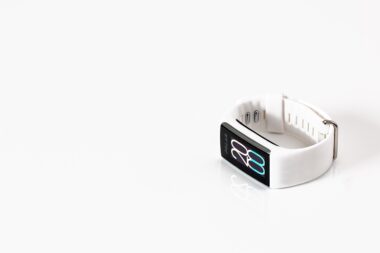
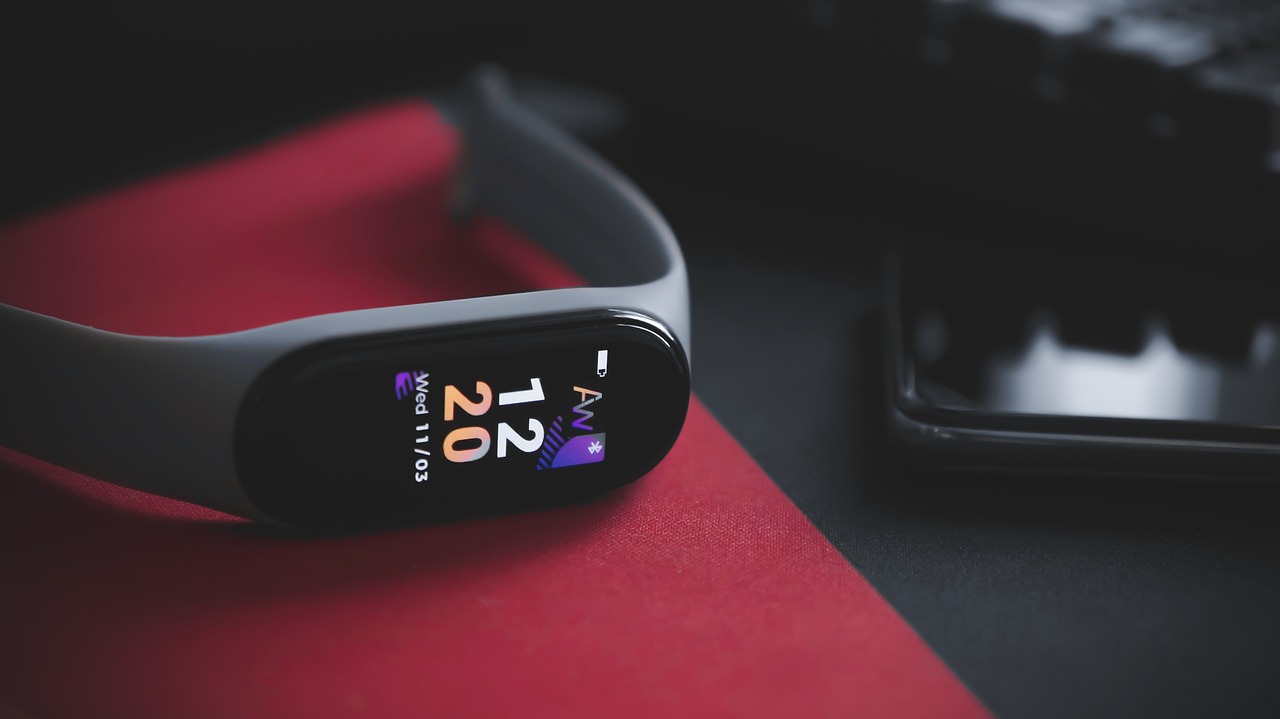
In today’s fast-paced world, fitness wearables have evolved significantly, incorporating advanced technologies such as Near Field Communication (NFC) for seamless payment integration. This innovation is transforming the way individuals manage transactions during workouts, as it allows users to make quick payments without reaching for their wallets or smartphones. Users can enjoy features like fitness tracking, heart rate monitoring, and payment processing all in one device. The increasing popularity of contactless payments is driving this technology’s adoption into wearables. Many leading brands are now focusing on developing fitness wearables that include built-in NFC capabilities. For instance, companies like Garmin and Fitbit are combining fitness functions with payment options. This attractive blend appeals to fitness enthusiasts who prefer convenience and efficiency. Additionally, consumers are increasingly expecting smart technology that caters to their busy lifestyles. With NFC integrated into their wearables, users can now swiftly buy coffee post-workout or grab essentials without hassle. As the fitness technology market grows, NFC payment features are sure to become a standard, enhancing overall user experience while promoting a more active lifestyle.
The Rise of Contactless Payments
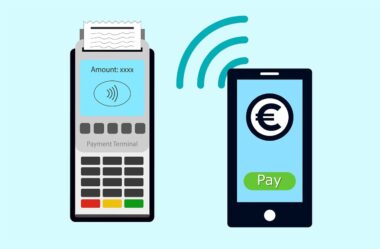
Contactless payments are witnessing a surge in popularity across various sectors, including retail and fitness. Fitness wearables with NFC payment features allow users to make secure transactions at compatible terminals effortlessly. As contactless technology gains traction, users appreciate how it simplifies their everyday activities. The ability to access stored payment information directly from their wrist is a game-changer for many. Fitness enthusiasts often engage in multiple activities throughout the day, and managing payments without physical wallets means they can keep their focus on fitness. This trend is particularly appealing to individuals seeking a minimalist lifestyle with fewer distractions. Moreover, studies indicate that consumers are inclined to switch brands if they offer contactless payment features. As a result, manufacturers are investing in improving the technology and security surrounding NFC payments. Partnering with financial institutions ensures that these wearables provide safe and convenient transaction experiences. As fitness technology becomes more advanced, we can anticipate even deeper integrations of payment options across various devices, enhancing user interaction with wearable technology significantly. This evolving landscape holds great promise for the future of fitness wearables.
Despite the numerous benefits, the integration of NFC payment features into fitness wearables does present certain challenges. Manufacturers must address concerns regarding security, data privacy, and user trust. Consumers demand assurances that their financial data will remain secure during transactions. To combat potential risks, leading brands are employing advanced encryption technologies and robust security measures to protect sensitive information. Creating a trustworthy environment where users feel comfortable storing and using their payment details is essential for widespread adoption. Additionally, there are concerns related to battery life. Incorporating NFC technology could lead to increased power consumption, reducing the wearables’ overall efficiency. Companies are exploring battery optimization techniques to alleviate this issue. Ensuring that users do not sacrifice fitness tracking capabilities for payment features is critical. Furthermore, regulatory compliance plays a significant role in the development of NFC-enabled apps. Companies must conform to various financial regulations to offer secure payment options. Despite these challenges, wearable technology companies continue to innovate, working diligently to refine their products and services while overcoming obstacles that could hinder growth in this competitive market.
Market Leaders in NFC-enabled Wearables
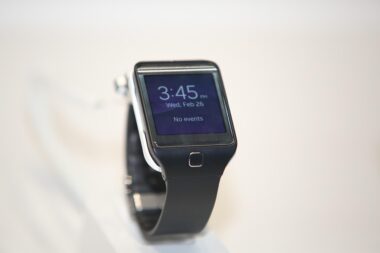
Several prominent brands have already begun offering fitness wearables with NFC payment capabilities, solidifying their positions as market leaders. Popular names like Apple, Fitbit, and Garmin are at the forefront of this movement, continuously working on enhancing user experience through innovative features. The Apple Watch, for example, is not just a fitness tracker but also serves as a digital wallet, allowing users to make payments via Apple Pay. Similarly, Fitbit’s Charge series includes contactless payment options, making it a top choice among fitness enthusiasts. Garmin has also entered the market, providing wearables with multifaceted functionalities beyond fitness tracking. This competition is driving brands to focus on improving their offerings. Companies are regularly updating their software, enhancing security measures, and adding more features to attract consumers. The integration of NFC technology is expected to reshape users’ expectations for their wearables, leading to more features being introduced in the future. Competitive analysis among brands also highlights emerging players that are applying innovative solutions to capture niche markets. The interplay between innovation and consumer expectations will be vital for retaining market share.
In addition to established brands, up-and-coming companies are entering the fitness wearable market with unique solutions that include NFC payment features. These new entrants often target niche segments, offering specialized products designed to cater to specific user preferences. For instance, some emerging startups focus on creating wearables that appeal to athletes, while others concentrate on lifestyle or everyday fitness users. By differentiating their products, these companies can take advantage of gaps in the market, appealing to consumers who may not be fully satisfied with mainstream options. Furthermore, these startups often prioritize customer feedback in their product development process, leading to rapid iterations and innovation. As they refine their offerings, consumer loyalty can strengthen, establishing a solid user base. Collaborations with fitness apps and platforms are becoming increasingly common as startups seek to integrate their wearables with established ecosystems. When consumers can sync their wearables with popular fitness tracking applications, they are more likely to see value in their investment. The growing diversity in the wearables market indicates a brighter future for NFC payment integration within fitness technology.
The Future of NFC in Wearable Technology
Looking ahead, the future of NFC payment integration in fitness wearables appears promising. As technology continues to advance, user expectations are evolving, and companies must adapt to these changes. We can anticipate enhanced features, improved security protocols, and even more convenience for consumers. Innovations like biometric authentication could further strengthen the security of transactions made through wearables. By using fingerprint or facial recognition, wearables will create an additional layer of protection against unauthorized access. This improvement can significantly increase user confidence in NFC payments for everyday transactions. Additionally, the potential for cryptocurrency integration within wearables could reshape the payment landscape entirely, attracting tech-savvy users. Flexible payment options will become more crucial as consumers embrace digital currencies. Moreover, the rise of e-commerce and mobile transactions will drive demand for versatile payment solutions, compelling wearable manufacturers to innovate continuously. As fitness technology evolves, wearables are expected to become essential for monitoring overall health metrics, along with providing seamless payment capabilities. A future where fitness wearables dominate payment systems could contribute to a healthier, more efficient lifestyle for users around the globe.
To successfully capture market share, brands must not only focus on adding NFC payments but also enhance the overall user experience. This includes making wearables as comfortable, stylish, and functional as possible, ensuring that they blend seamlessly with everyday life. Companies that prioritize aesthetics alongside technology will likely attract a broader audience. Wearables are becoming fashion accessories, and their appeal lies in their versatility. This duality between fitness functionality and style will encourage potential users to adopt these for daily use. Additionally, engagement with communities through social media and marketing campaigns can create buzz around new products, drawing customer attention toward NFC-enabled fitness wearables. As the industry grows and evolves, consumer education will also play a pivotal role in the adoption of NFC technology. Providing clear information on how to use these devices and the benefits they offer will allow users to embrace this technology confidently. As we advance, fitness wearables will undoubtedly facilitate more than just tracking metrics; they will usher in a new era of smart, efficient living where payments and health monitoring coalesce seamlessly in the wearer’s lifestyle.
In conclusion, the integration of NFC payments within fitness wearables represents a significant advancement in technology and consumer convenience. As the demand for contactless payment options grows, manufacturers are poised to meet these evolving expectations through continuous innovation. While challenges like security, data privacy, and battery life exist, the industry is taking proactive measures to address these concerns. Leading brands dominate the market, but emerging companies are capturing interest with unique, niche products that cater to varied consumer needs. Anticipating the future, the combination of health tracking and payment functions is set to reshape consumer relationships with wearable technology. The ongoing challenge lies in balancing functionality and aesthetics, ensuring users enjoy stylish yet practical devices. This careful attention to user experience will ultimately determine the success of NFC-enabled fitness wearables. As technology evolves, societies must adapt to harness the full potential of wearable innovations and benefit from improved lifestyles. The future of fitness wearables with NFC capabilities is brighter, promising advancements that will enhance everyday experiences and promote healthier living all around.