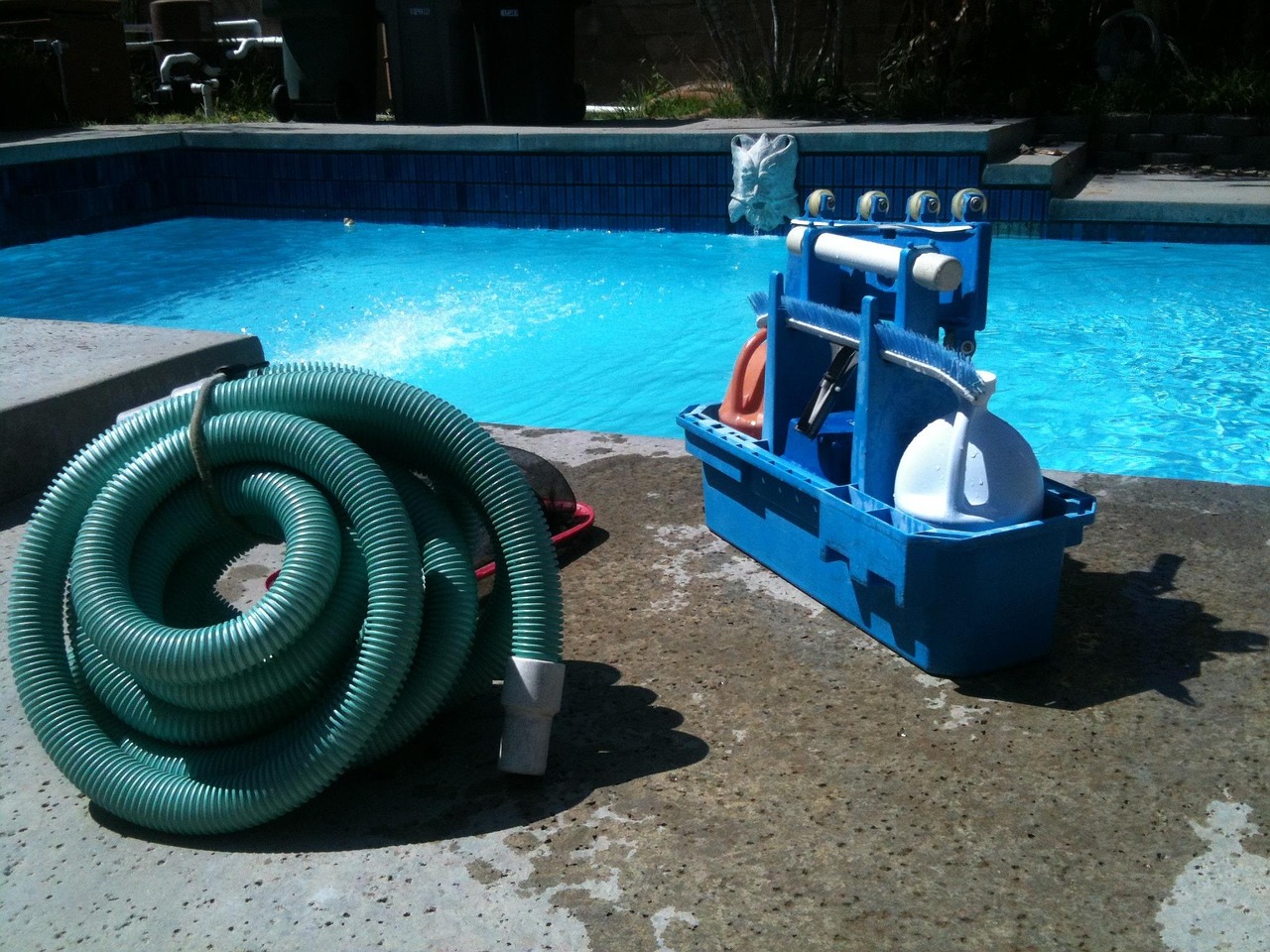

Maintaining Pool Equipment for Swimmers’ Safety
Maintaining pool equipment is crucial to ensure the safety of swimmers while enhancing their overall experience. Regular maintenance of various components such as pumps, filters, and heaters not only extends the life of the equipment but also guarantees optimum performance. One of the key aspects to consider is the pool’s filtration system. This system continuously cleans the water, removing dirt and debris, and must be checked frequently. Clean filters ensure that the water remains clear, which is essential for visibility and safety. Additionally, swimmers should be educated about the significance of maintaining water chemistry. Proper chemical balance prevents the growth of harmful bacteria, ensuring a safe swimming environment. Regular testing of pH and chlorine levels helps in achieving this balance. Furthermore, pool owners should inspect other accessories, such as pool covers and ladders, as they are vital for safety and ease of access. Keeping these components in good condition prevents accidents. To further enhance safety, consider updating or replacing old equipment with newer models that come with improved safety features.
Another critical aspect of pool maintenance involves the regular inspection and cleaning of pool surfaces. Over time, algae, dirt, and grime can accumulate, making the pool environment unsafe and uninviting for swimmers. Cleaning the pool walls, floor, and waterline should be performed consistently, as it prevents slips and falls, protecting users from injury. The process typically includes brushing surfaces, vacuuming debris, and using appropriate cleaning agents. Ensuring that the water remains chemically balanced during this process is also essential. In addition to routine cleaning, pool covers play an essential role in maintaining cleanliness and safety when the pool is not in use. Investing in a high-quality cover can reduce the amount of debris entering the pool, thereby lowering maintenance time and costs. Use of automatic covers with safety features can provide additional protection. Furthermore, having a designated swimming area separate from equipment storage can promote safe practices. Always keep pool life-saving equipment within reach and ensure that all swimmers are aware of their location. Incorporating these strategies into your pool maintenance routine will greatly enhance the safety experience for everyone involved.
Regular Equipment Checks
Regularly checking all pool equipment is essential for maintaining a safe swimming environment. Equipment failures can lead to dangerous situations, so performing monthly inspections of pumps, filters, and heaters is necessary. Pay close attention to any unusual noises, leaks, or changes in performance. Pumps should operate smoothly and efficiently, whereas pools with low water pressure indicate possible clogs in the filtration system. Investigating these issues early on will minimize the risk of more extensive problems, ensuring optimal functionality is maintained. In addition, make it a point to check the electrical components of the pool equipment. Relying on professional assistance is prudent when dealing with electrical issues to prevent accidents. Furthermore, any signs of wear and tear should not be ignored. Includes checking for rust, frayed wires, or cracked casings, as these indications may signal that replacement parts are necessary. Lastly, ensure that all safety devices, such as pool alarms and covers, are working correctly. Keeping your pool equipment in excellent condition will provide peace of mind for both you and your swimmers, as well-maintained equipment directly correlates with safety.
Fluctuating water levels can pose a challenge for pool maintenance. When water levels drop too low, it can cause pumps to run dry, which may lead to costly repairs or replacements. Regularly check and maintain water levels by refilling your pool as necessary. In addition, swimming pools experience natural evaporation, particularly during hot summer months, so take proactive steps to mitigate this trend. Using a pool cover while the pool is not in use can significantly reduce evaporation rates. Moreover, addressing high water usage during frequent pool use is important; educating swimmers on best practices can conserve water. Furthermore, appropriate water level management contributes to maintaining proper water chemistry, as chemical levels can vary based on the volume of water present in the pool. Periodically backwashing or rinsing your filter ensures that water is being properly circulated through the system. Additionally, familiarize yourself with the effects of heavy rain or storms on water levels. After inclement weather, inspect your pool’s water levels and adjust accordingly to maintain safety. Proactively managing your pool’s water level is indispensable for efficient operation and swimmer safety.
Seasonal Maintenance Tips
Seasonal maintenance is essential for a safe swimming experience. At the start of each swimming season, thorough cleaning and equipment checks should be conducted. Inspect the entire pool system, including pumps, timers, and filters. It’s also essential to inspect and clean pool areas, from deck chairs to surrounding landscaping. Clear debris like leaves and branches that could hinder the pool’s filtration and circulation systems. Prior to closing your pool for the winter, ensure that all water has been drained from pipes and fixtures to avoid freezing damage. A thorough inspection of the pool cover used will also prevent damage to the pool during the off-season. Additionally, using winterizing chemicals can protect the water quality through cold months. Once spring arrives, various tasks should be undertaken to prepare the pool for use. This includes re-checking equipment functionality, chemical levels, and thoroughly cleaning pool surfaces. Observing these seasonal maintenance tips will not only extend the lifespan of the pool equipment but also create a safer environment. By fostering safe swimming practices through well-maintained equipment, you enhance the overall enjoyment for users.
Incorporating advancements in technology can enhance pool maintenance and swimmer safety significantly. Smart pool equipment, such as automated cleaners and monitoring systems, can reduce the amount of manual labor required for upkeep. These systems provide real-time data which can alert pool owners about irregularities in chemical levels or equipment functionality. This proactive approach allows for timely intervention before minor issues escalate into major repairs, safeguarding swimmer safety. Adding remote monitoring capabilities enables home users to oversee pool conditions through mobile applications. This feature allows pool owners to ensure that their equipment is functioning adequately from distance, adding a layer of convenience and security. For example, some devices can automatically balance water chemistry, eliminating the guesswork that often comes with manual testing. Innovations in safety equipment, such as advanced pool alarms that can detect movement in the water, also help to protect swimmers, especially children and pets. Such advancements make a significant impact on safety and convenience, making pool management easier and more efficient. By leveraging technology properly, pool owners can ensure both optimal functionality and safety in their swimming environments.
Educate Swimmers on Safety
Educating swimmers about safety practices is a crucial part of pool maintenance that often goes overlooked. While maintaining equipment is essential, understanding how to use the pool safely contributes significantly to preventing accidents. Families should have discussions about basic swimming safety, including rules like no running around the pool, not diving into shallow areas, and being mindful of others in the water. Additionally, parents should explain the significance of knowing their swimming abilities. Teaching children how to float, tread water, and the basics of swimming can greatly increase their safety. It’s also beneficial to review emergency preparedness steps with all users regularly. Discussing what to do in case of an emergency, who to alert, and where life-saving equipment is stored can empower individuals. Safety briefings before pool parties and gatherings are great ways to reinforce guidelines. Additionally, encouraging lifeguarding courses for older children and teens can help cultivate responsibility and awareness. By adopting a collective approach to educate everyone within the pool environment, you foster a culture of safety that ensures an enjoyable experience for all users involved.
In conclusion, maintaining pool equipment is essential for ensuring the safety of swimmers and enhancing their overall experience. By prioritizing regular maintenance checks, seasonal tasks, and adopting advanced technologies, pool owners can significantly mitigate risks. Additionally, fostering a well-informed swimming community through education plays a crucial role in promoting safety. Keep in mind the various components involved in pool maintenance, from cleaning and inspections to equipment upgrades. Understanding these essential practices is fundamental for creating and maintaining a safe swimming environment. Regularly educate swimmers about safety measures to further instill a culture of caution and preparedness. Evaluating pool conditions often and being proactive in addressing any issues can prevent accidents. Always prioritize proper training and swimming lessons for individuals of all ages. With diligence and attention to equipment upkeep, pool owners can ensure that everyone enjoys their time in the water. Investing both time and resources into maintaining equipment can lead to long-term benefits, extending the life of your pool while securing the safety of its users. Ultimately, a well-maintained swimming pool and informed users lead to enjoyable experiences and cherished memories. Ensure that swimming remains a fun and safe activity for everyone involved.