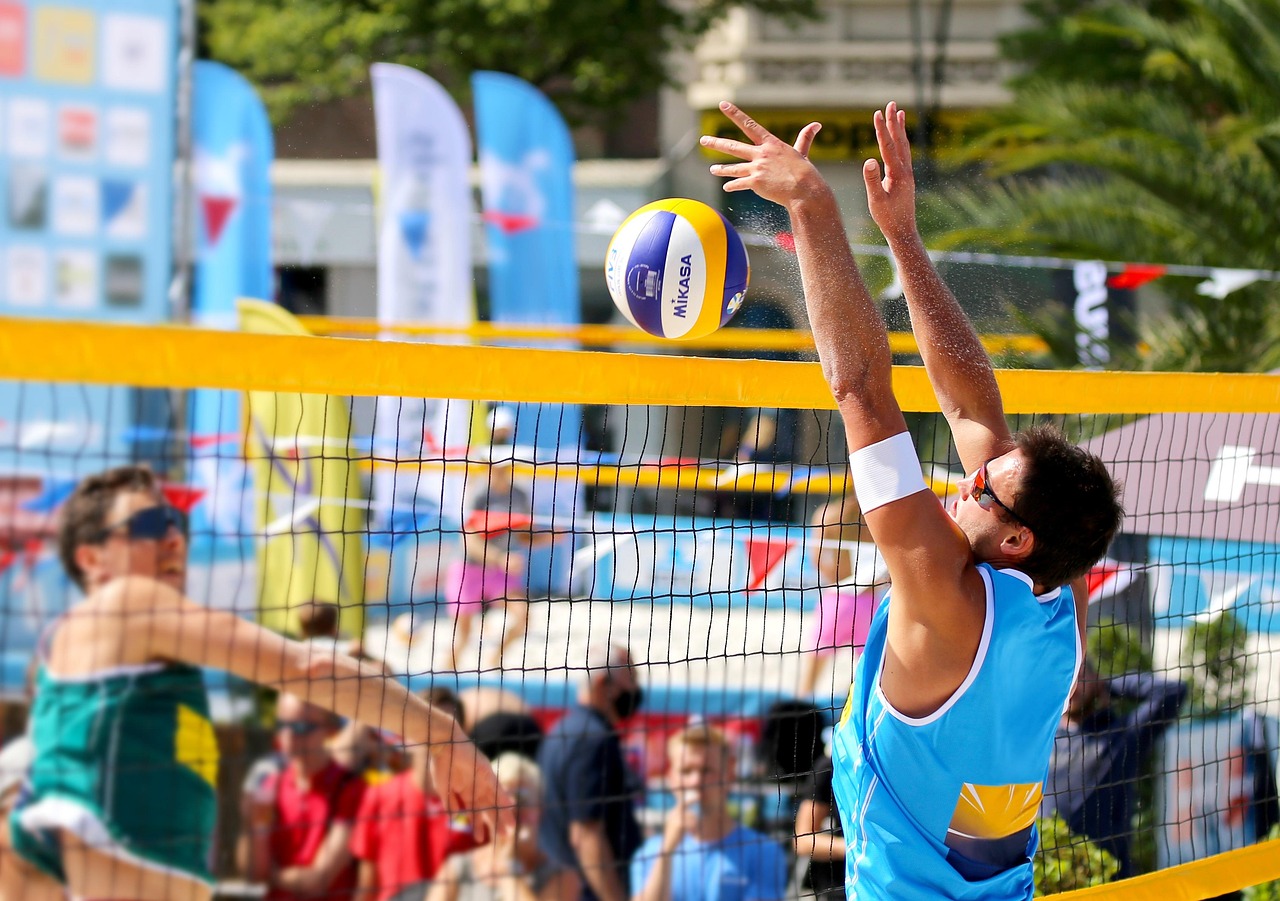

Refereeing Beach Volleyball: Key Differences and Techniques
Refereeing beach volleyball presents unique challenges and requires specific techniques compared to indoor volleyball. The primary difference lies in the playing environment, which is sand-based and affected by elements such as wind and sunlight. Referees must adapt their decision-making processes to account for these factors. Understanding the rules specific to beach volleyball, such as player variability in rotation and substitution, is crucial. Referees must know how to communicate effectively, using visual signals and clear calls to guide the game. Also, given the open nature of the beach as a venue, which may see interference from spectators or the environment, maintaining focus is paramount. Beach referees must differentiate between minor and game-altering infractions, applying their judgment to ensure fair play without interrupting the game flow. Preparedness to address rapid gameplay changes and the physical demands placed on players and themselves allows for a smoother officiating experience. Thus, knowledge and adaptability are the cornerstones of successful refereeing in beach volleyball.
One essential skill every beach volleyball referee must possess is excellent positioning on the court. The unique layout of a beach volleyball court necessitates that referees maintain optimal angles for visibility during play. Unlike indoor volleyball, where multiple referees can share responsibilities, beach volleyball typically requires one or two officials. This limitation means that the single referee must develop the ability to effectively monitor the entire court to spot violations accurately. Understanding the rules specific to beach volleyball, like player rotations and service faults, alongside having a keen eye for potential infractions is essential. Moreover, the sand surface can obscure the ball and players’ movements, requiring a heightened sense of awareness. To improve positioning skills, referees can practice footwork techniques, focusing on quick lateral movements and efficient body positioning to ensure they are always in the right place at the right time. Positions vary based on the play’s dynamics and anticipated actions of the players, which can often change rapidly. Hence, consistent positioning practice is crucial for referees looking to excel in beach volleyball.
Understanding the Rules
It is imperative for referees to have a thorough grasp of the specific rules governing beach volleyball. Unlike indoor formats, the beach variant carries nuances in its regulations that officiating personnel must master. For example, the rules regarding player contacts and the reception of serves can differ significantly. Referees must be attuned to not only standard volleyball rules but also those adapted for outdoor settings, such as the absence of a net touch rule for players or variations on block hits. Another vital rule refers to the boundary lines; beach volleyball utilizes a sand area enclosed by a smaller boundary than its indoor counterpart. Properly adjudicating ball hits near these boundaries can be pivotal for match outcomes, thus necessitating a keen eye from officials. Referees must remain on alert for potential infractions and interpret players’ actions accurately. Their decisions can significantly impact the match flow and outcome. Through continuous education and training, referees can keep abreast of any rule changes or updates, ensuring they are equipped to make the best possible calls during matches. This commitment reflects professionalism and dedication.
Effective communication is a cornerstone of successful officiating in beach volleyball. Given the open space and sometimes overwhelming noise from crowds, referees must cultivate clear communication skills to relay information to players effectively. Body language plays a critical role in conveying decisions, along with audible signals like whistles to call attention to potential fouls or stoppages in play. Consistency in signaling is also paramount; using standardized gestures helps ensure players understand decisions being made. Collaboration with other officials is critical, especially during crucial moments of the match when the outcome could hinge on interpretation of a call. Establishing a rapport with players fosters a respectful atmosphere, where referees communicate decisions while upholding authority. Additionally, managing players’ emotions during heated moments requires excellent interpersonal skills. Referees should adopt a calm demeanor and employ active listening to diffuse escalated situations. This practice aids in maintaining control over the match and encourages sportsmanship, which can often be challenged in competitive beach volleyball environments. Effective communication ultimately enhances the overall flow of the game and the experience for all involved.
Physical Fitness and Readiness
Beach volleyball refereeing is physically demanding, requiring referees to be in good shape. Unlike indoor courts, referees in beach volleyball must navigate sand terrain, which is inherently more taxing on the body. Maintaining strength and cardiovascular fitness is vital for enduring the extended duration of matches, which can be intense and require constant motion. Referees also need to frequently shift positions to keep up with the fast-paced games, and thus the ability to sprint, change direction quickly, and stay agile is crucial. Flexibility, too, should not be overlooked since it aids in avoiding injuries while allowing referees to assume various positions on the court while maintaining optimum visibility. For many referees, following a regular fitness regimen that includes strength training, running, and flexibility exercises is essential. Additionally, refining stamina through practice matches helps prepare them for the unpredictable nature of live events. The mental aspect of physical readiness is also key—referees must remain sharp and focused despite fatigue. Training initiatives focusing on endurance and agility can lead to the enhanced performance and resilience needed for effective officiating in beach volleyball.
Continuing education is paramount for referees who aim to elevate their skills in beach volleyball officiating. Regular workshops and clinics specifically tailored toward beach volleyball rules and techniques provide opportunities for officials to enhance their understanding of the game. Many governing bodies offer resources and training programs focused on the changing dynamics of officiating, emphasizing new interpretations of rules or improvement in one’s technique. Participating in these educational platforms not only sharpens officiating skills but also builds a network among fellow referees, creating a community for support and sharing experiences. This exchange of knowledge can be invaluable, as understanding the nuances from other referees’ perspectives often leads to improved performance. Furthermore, engaging in online courses or local ref associations can provide consistent learning opportunities throughout the year. Reflecting upon personal matches provides a chance to analyze performances critically and identify areas for improvement. Learning from one’s mistakes is a vital part of growth in officiating. Commitment to continuing education signifies a referee’s dedication to excellence and the desire to contribute positively to the sport in every match they referee.
The Importance of Sportsmanship
Sportsmanship in beach volleyball is essential for promoting a positive atmosphere during matches. Referees play a pivotal role in maintaining and encouraging sportsmanship among players, but they must also embody these values themselves. Demonstrating integrity, fairness, and respect can influence the behavior of players. Officials should set a standard by maintaining impartiality and making objective decisions based purely on the game’s flow rather than personal opinions. Also, recognizing and rewarding exemplary sportsmanship from players lends agents of fairness to officiating and enhances the overall experience for all involved. In a sport where emotions can run high, referees should intervene by fostering respectful interactions between players and discouraging unsportsmanlike behavior. This could range from a simple warning to issuing penalties for persistent infractions – ensuring that players adhere to not only the rules but also the spirit of the game. A positive sporting environment fosters better performance, diminishes tension, and encourages camaraderie, making beach volleyball more enjoyable for everyone. In conclusion, referees must actively cultivate an atmosphere of sportsmanship, contributing to the long-term growth and health of beach volleyball.
Ultimately, refereeing beach volleyball requires a combination of skills, knowledge, and attitude. It involves adapting to the unique aspects of the sport while upholding fairness and integrity. Officials must continually hone their skills through practice, education, and experiential learning. Each match presents a new opportunity for referees to apply what they’ve learned and refine their approach. Importantly, they must understand that officiating is not merely about enforcing rules; it is about managing dynamics and facilitating a positive experience for both players and spectators. Striving for excellence requires embracing a spirit of lifelong learning and resilience, acknowledging that every match holds valuable lessons. By committing to these principles, referees can grow their competence and confidence, ultimately enhancing their performance on the court. Enthusiasm for both the game and the responsibility of officiating should motivate referees to further their development in this exciting role. When players, officials, and fans input equally respect and enjoy beach volleyball, the sport thrives, creating memorable moments and fostering community engagement in sportsmanship and camaraderie.