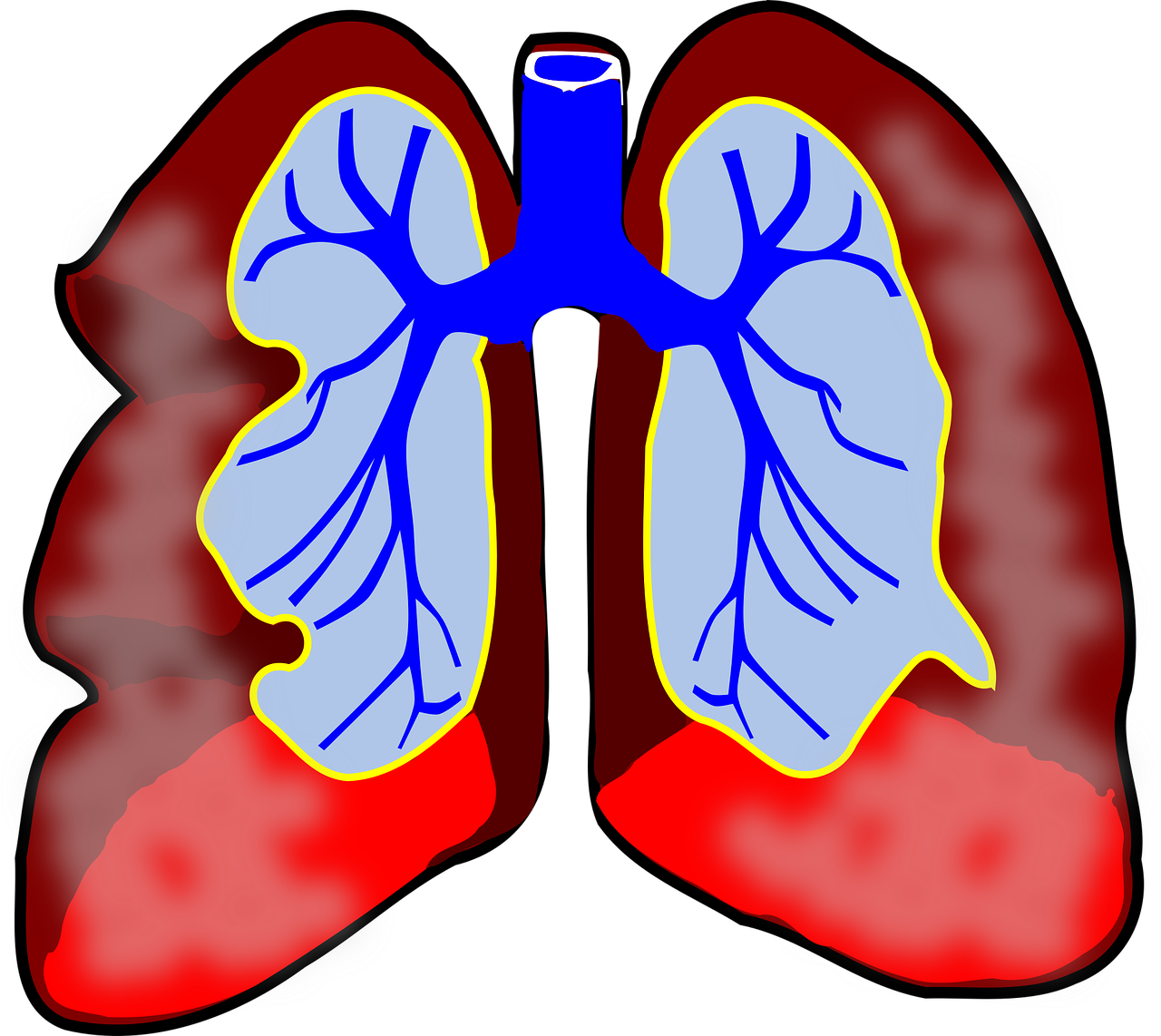

Respiratory Muscle Activation Patterns
The human respiratory system relies heavily on the coordinated activity of various muscle groups to facilitate effective breathing. During both resistance and endurance training, different patterns of activation in respiratory muscles can emerge, reflecting distinct physiological responses and adaptations. Research indicates that during resistance training, the diaphragm and intercostal muscles are primarily activated to counteract the intra-abdominal pressure generated through vigorous physical effort. Concurrently, the sternocleidomastoid and scalene muscles may also become more engaged, particularly during high-intensity phases. This increased activation aids in maintaining optimal lung volumes and gas exchange efficiency while exerting considerable force. In contrast, endurance training promotes a more sustained and rhythmic activation of these muscles, supporting prolonged respiratory rates crucial for aerobic metabolism. This divergence in muscle recruitment emphasizes the necessity of personalized training regimens that account for the specific demands placed on the respiratory system. Understanding these activation patterns can help athletes and trainers develop effective strategies to enhance performance, improve pulmonary function, and mitigate fatigue. Thus, gaining insights into the intricacies of respiratory muscle dynamics is essential for refining training approaches.
Comparative Analysis of Training Modalities
Comparing resistance versus endurance training reveals significant differences in how the respiratory muscles respond to various intensity levels. Studies have shown that resistance training typically elicits more pronounced short-term adaptations in respiratory muscle strength and endurance due to higher intra-thoracic pressures. These adaptations can lead to augmented force production, which is necessary for sustaining breathing during physical exertion. Furthermore, numerous studies have highlighted that endurance training, characterized by repetitive, low-resistance activities, promotes enhanced endurance of the respiratory muscles. The diaphragm and accessory muscles adapt to maintain efficient ventilation during extended periods of exertion. This resilience is critical for athletes engaging in endurance sports, where sustained oxygen delivery and carbon dioxide elimination are paramount. Additionally, the frequency and duration of training sessions vary significantly between these modalities, influencing muscle activation patterns. Recognizing these differences enables better strategizing in training regimens for athletes aiming to optimize respiratory efficiency. Effective integration of both resistance and endurance training can lead to comprehensive improvements in respiratory muscle function and athletic performance, consequently enhancing overall health and fitness outcomes.
The effects of different types of resistance training on respiratory muscle mechanics have garnered substantial interest in sports science and rehabilitation contexts. Recent findings suggest that heavy resistance training leads to significant adaptations in respiratory muscle morphology and strength. Such changes are crucial for athletes, as they increase the capacity to generate force without compromising respiratory function. For instance, studies have demonstrated that incorporating breathing exercises during weight training sessions enhances diaphragm strength, resulting in improved pulmonary performance under stress. Conversely, light resistance or high-repetition training might promote more aerobic adaptations within the respiratory muscles, enhancing their fatigue resistance and endurance. This complementary relationship between different training intensities suggests that a well-rounded program integrating both heavy and light resistance training can foster optimal respiratory muscle performance. Training adaptations will allow individuals to cope more effectively with varying energy demands present in diverse sports activities. Likewise, conditioning of the respiratory system can help manage common respiratory issues, especially in populations with chronic respiratory diseases. Therefore, additional research into specific training methods aimed at balancing strength and endurance training for respiratory muscles is warranted.
Moreover, the importance of warm-up strategies prior to engaging in both resistance and endurance training is often overlooked. A well-structured warm-up routine can substantially optimize muscular activation patterns, including those involved in respiration. Warm-ups that include dynamic stretching and specific respiratory muscle exercises can facilitate better oxygen delivery to the working muscles. Furthermore, they enhance neuromuscular coordination and reduce the risk of injury during intense physical exertion. For instance, incorporating techniques like diaphragmatic breathing can activate the diaphragm and increase lung volumes even before physical activity begins. This preparation primes the respiratory system for subsequent demands, especially during high-intensity training. Dedicated warm-up sessions can provide similar benefits when preparing for endurance activities, allowing a gradual increase in respiratory rate and depth, thus improving overall efficiency. Understanding the benefits of incorporating warm-up routines becomes vital for athletes training in various contexts. By fostering effective respiratory muscle activation, warm-ups could potentially improve performance outcomes considerably. Therefore, integrating warm-up exercises focusing on respiratory mechanics could enhance effectiveness across different training modalities.
The Role of Breathing Techniques
Breathing techniques play an essential role in maximizing the benefits derived from resistance and endurance training. Techniques such as the Buteyko method and diaphragmatic breathing can help enhance lung capacity and promote more efficient gas exchange. The incorporation of these techniques can lead to increased oxygen availability during strenuous workouts. Improved oxygenation limits fatigue, thereby allowing individuals to perform optimally across training sessions. Athletes who integrate effective breathing strategies into their routines often report enhanced stamina and recovery times. Furthermore, focusing on breath control can mitigate excessive ventilatory responses commonly experienced during high-intensity exercise. This approach supports a more sustainable energy utilization, promoting overall efficiency. Research highlights that training under specific breathing patterns can induce favorable adaptations in respiratory muscle function. For instance, practicing inhalation techniques during resistance exercises can lead to greater stability in the trunk and core, essential for executing complex lifts. Conversely, mindful exhalation techniques during endurance activities may enhance relaxation and delay fatigue onset. Understanding the direct influence of breathing techniques on respiratory mechanics offers valuable insights into optimizing training outcomes.
It is vital to explore the implications of respiratory muscle activation on recovery processes in athletes engaged in resistance and endurance training. Effective recovery strategies are crucial for performance enhancement and injury prevention. Research indicates that active recovery sessions, comprising low-intensity aerobic exercises, promote blood flow and facilitate the removal of metabolic byproducts from the respiratory muscles. Techniques like deep breathing can enhance relaxation and further optimize recovery, allowing athletes to bounce back more rapidly between training sessions. Additionally, utilizing methods such as foam rolling can promote muscle recovery, including the respiratory muscles. As blood flow increases during these recovery efforts, it aids in nutrient delivery to fatigue-prone areas. Moreover, hydration balance, nutrition, and rest play significant roles in optimizing these recovery processes. Athletes must sustain a well-rounded approach, ensuring adequate intake of nutrients that support respiratory muscle health, particularly protein for muscle repair and growth. Ongoing assessments of recovery strategies will facilitate the adaptability of training programs, allowing athletes to maintain optimal respiratory muscle function. Thus, effective recovery protocols should be inclusive of approaches that specifically target respiratory muscle resilience.
Future Directions and Conclusion
In conclusion, understanding respiratory muscle activation patterns during resistance and endurance training is critical for optimizing athletic performance and health. Future research should investigate more advanced training protocols that integrate resistance and endurance components to determine their cumulative effects on respiratory function. There is a need to explore individualized training programs that address specific respiratory demands for varying sports disciplines. Evaluating subjects with varying fitness levels can help ascertain the effects of training intensity and duration on respiratory muscle strength and endurance adaptations. Furthermore, advancements in technology could facilitate better monitoring of respiratory mechanics, enabling precise training adjustments. Researchers could also explore the potential effects of dietary interventions on respiratory muscle activation and recovery, linking nutrition with performance outcomes. Enhancements in education and awareness surrounding these dynamics are pivotal for coaches and athletes. By comprehensively addressing respiratory muscle function, we can foster a holistic understanding of performance optimization, athletic training strategies, and preventative measures for respiratory ailments. Ultimately, continuity of inquiry into the interrelationship of biomechanics, training modalities, and respiratory health will significantly benefit athletes and related populations.
This article addresses the crucial role of respiratory muscle activation patterns in enhancing performance during resistance and endurance training, providing insights into effective training strategies for athletes.