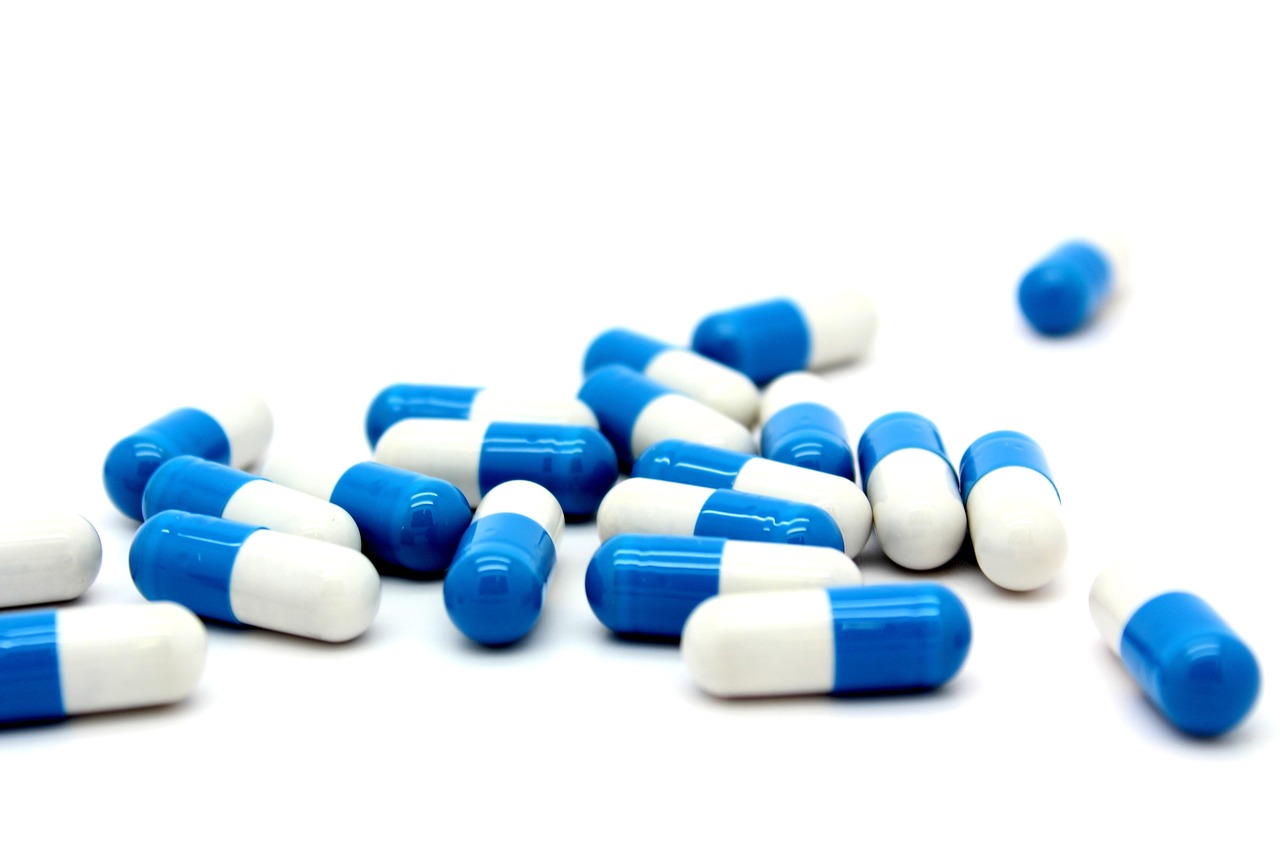

Supplements to Avoid During the Off-Season
During the off-season, athletes often find themselves in a precarious position regarding their supplement intake. Many may feel tempted to try new products that promise fast results. However, it’s crucial to take a step back and assess what supplements should be avoided to maintain optimal health. For one, any supplement containing stimulants can be harmful. These could disrupt sleep patterns, increase anxiety levels, and lead to dependency. Additionally, weight loss supplements with questionable ingredients pose risks to long-term health. A common mistake is reaching for products without sufficient research about their safety. In particular, supplements labeled with proprietary blends should be avoided, as their ingredient lists are often vague. Furthermore, excessive protein intake can lead to kidney strain, especially if it exceeds the body’s actual requirements. Athletes should also refrain from using performance-enhancing drugs or knowledge about their severe side effects. Maintaining a balanced diet is essential, focusing on whole foods instead of quickly manufactured supplements. Consulting a healthcare professional can help clarify the best practices for dietary support during the off-season.
Another critical aspect of off-season strategies is understanding the importance of proper nutrition. Athletes often consider various supplements to maintain their performance. However, many of these products may contain artificial additives, sweeteners, or fillers. Therefore, it is essential to read the labels thoroughly. Supplements that promise quick recovery or muscle gain should be avoided as they can lead to imbalanced diets. Prioritizing food over supplements can make a significant difference in health. Whole, nutrient-dense foods provide the vitamins and minerals necessary for recovery and muscle rebuilding. A diet rich in fruits, vegetables, whole grains, and lean proteins can significantly reduce the need for artificial alternatives. Introducing natural sources of protein, such as chicken, turkey, fish, and lentils, can maintain muscle mass effectively. Additionally, focusing on hydration is vital. Excessive reliance on electrolyte drinks, which often contain added sugars and chemicals, should be limited. Opt for natural sources of hydration, such as coconut water or plain water infused with fruits. Fostering a healthy lifestyle leads to better fitness outcomes during competition seasons.
In addition to harmful supplements, the timing and type of intake can affect athletes negatively. It’s all too common for individuals to believe that supplements are an all-encompassing solution. However, consuming large quantities of supplements instead of adequate whole foods can lead to nutrient deficiencies. For example, too much of certain vitamins may induce adverse effects, like toxicity. Vitamin A, for instance, can accumulate in the liver and pose health risks when ingested in excess. Moreover, athletes should be cautious with fat burners and similar products. Though they appear attractive for quick fat loss, they can lead to loss of muscle mass and metabolic imbalances. Notably, some athletes ignore the impact of micronutrients, essential for bodily functions. Supplements that boast to replace whole foods contain limited nutrients. Athletes should check regularly for deficiencies through blood tests. Consulting with a nutritionist can help identify individual needs for optimal performance without unnecessary reliance on supplements. Learning about body requirements is quintessential for any athlete striving for excellence and longevity in the sport.
The Role of Artificial Ingredients
Artificial ingredients in supplements are another aspect to consider during the off-season. Many athletes may overlook these additives, unaware of their potential consequences. Ingredients such as artificial flavors, colorants, or preservatives may create short-term satisfaction but can lead to chronic health issues over time. Typically, these unnatural ingredients can provoke digestive disorders, allergies, or inflammation, which can impede performance. Moreover, athletes should understand potential long-term implications seriously since the body continually accumulates toxins. Rather than choosing products with long ingredient lists, opting for supplements that focus on essential nutrients is wiser. Organic substances often contribute to better bodily function, exhibiting fewer side effects. Additionally, many athletes fall victim to marketing tactics telling them highly synthesized vitamins are superior. This belief is misleading; natural whole-food sources provide better absorption and efficacy of vitamins and minerals. Athletes should prioritize their well-being by focusing on natural nutrient sources, including fruits, vegetables, nuts, and seeds. By placing nutrient-rich foods above artificially flavored and colored products, athletes can enhance their overall performance sustainably without detrimental side effects.
The importance of transparency in supplement labels cannot be overstated. Many athletes today want efficiency without considering potential side effects. Supplement companies often mask harmful components behind vague descriptions or advertising blurbs, leaving consumers misinformed. It is essential to pay attention to specific ingredient sources. Foremost, products that do not disclose an ingredient list or have unrecognizable substances should be avoided at all costs. Reading reviews online and assessing the reputation of supplementation brands can save athletes from making detrimental choices. Furthermore, athletes should be mindful of banned substances listed by their sport’s governing body. Concerns around contamination occur frequently, leading athletes to inadvertent doping violations. Checking whether the supplement has undergone third-party testing for quality assurance is also advisable. Certification from organizations like NSF or Informed-Choice ensures products are free from undesirable ingredients. Additionally, athletes should remain cautious about recommended dosages. Overconsumption of supplements can inadvertently lead to harmful impacts. An individualized plan for supplement use is often more beneficial than blindly following marketing trends. By prioritizing informed choices, athletes can protect their health and performance during the off-season.
The role of consulting with professionals during the off-season is critical. Many athletes underestimate the expertise available through healthcare professionals, nutritionists, or dietitians. Relying solely on supplements can lead to serious pitfalls in diet and overall fitness. A personalized plan tailored to individual needs can maximize performance while ensuring a balanced diet. Professionals can analyze significant changes during an off-season, whether due to injuries, weight changes, or competition preparation. Moreover, they can guide supplement use only when necessary, promoting better recovery strategies. Feeling overwhelmed by the numerous supplement choices available can lead to costly mistakes. Hence, guidance from professionals aids in focusing on priority areas in nutrition. Using supplements judiciously may become an essential part of an athlete’s training plan. Moreover, sustainable health and performance must remain at the forefront. Avoiding harmful supplements and prioritizing whole, beneficial foods encourages athletes to pay closer attention to their health. Optimizing nutrition can lead to enhanced performance, increased strength, and greater endurance when competition season comes.
Conclusion
In conclusion, understanding the role of dietary supplementation during the off-season is crucial for athletes. By being aware of harmful products to avoid, athletes can develop mastery over their nutrition and performance. Supplements should never replace whole foods; rather, they should complement a balanced diet rich in essential nutrients. Avoiding products with unknown substances, artificial ingredients, or excessive stimulant levels sets the foundation for a healthier routine. Instead, athletes should seek professional guidance to tailor supplement needs to their individual physiological circumstances. As a result, athletes can also prevent performance-related hazards and unhealthy dependencies while fostering their well-being. During the off-season, proactively making dietary choices leads to improved functioning and recovery. Educating oneself about the potential risks associated with harmful supplementation is key. Prioritizing clean, nutrient-rich foods promotes sustainable athletic success. Athletes striving for excellence in their sport should take charge of their nutrition and recognize the importance of holistic health. Fostering awareness of dietary choices will ultimately shape their journeys while enhancing overall performance.
Ultimately, embracing informed decision-making will lead to athletes thriving throughout their training cycles. Continuous self-education on nutrition and supplements encourages a lasting relationship with food and fitness. Athletes should feel empowered to challenge conventional beliefs regarding supplementation. With each passing season, each well-rounded approach to health will improve performance metrics. Understanding how dietary needs evolve over time can redefine success in fitness trajectories. Athletes should feel confident about their choices during the off-season by taking responsibility for their nutrition. Proactive dietary habits extend beyond mere athleticism; they foster an enriched lifestyle that enhances longevity. Diverting focus from quick fixes to sustainable choices lays the groundwork for balanced development. As athletes journey forward, it is vital to engage in holistic approaches to nutrition, enhancing awareness of the role of food for overall well-being. Without a doubt, the off-season represents an opportune period to reflect upon one’s choices. Athletes should learn the importance of maintaining healthy habits while steering clear of damaging substances. Invaluable lessons about nutrition often present themselves on the path to growth and improvement, advancing both health and athletic potential.