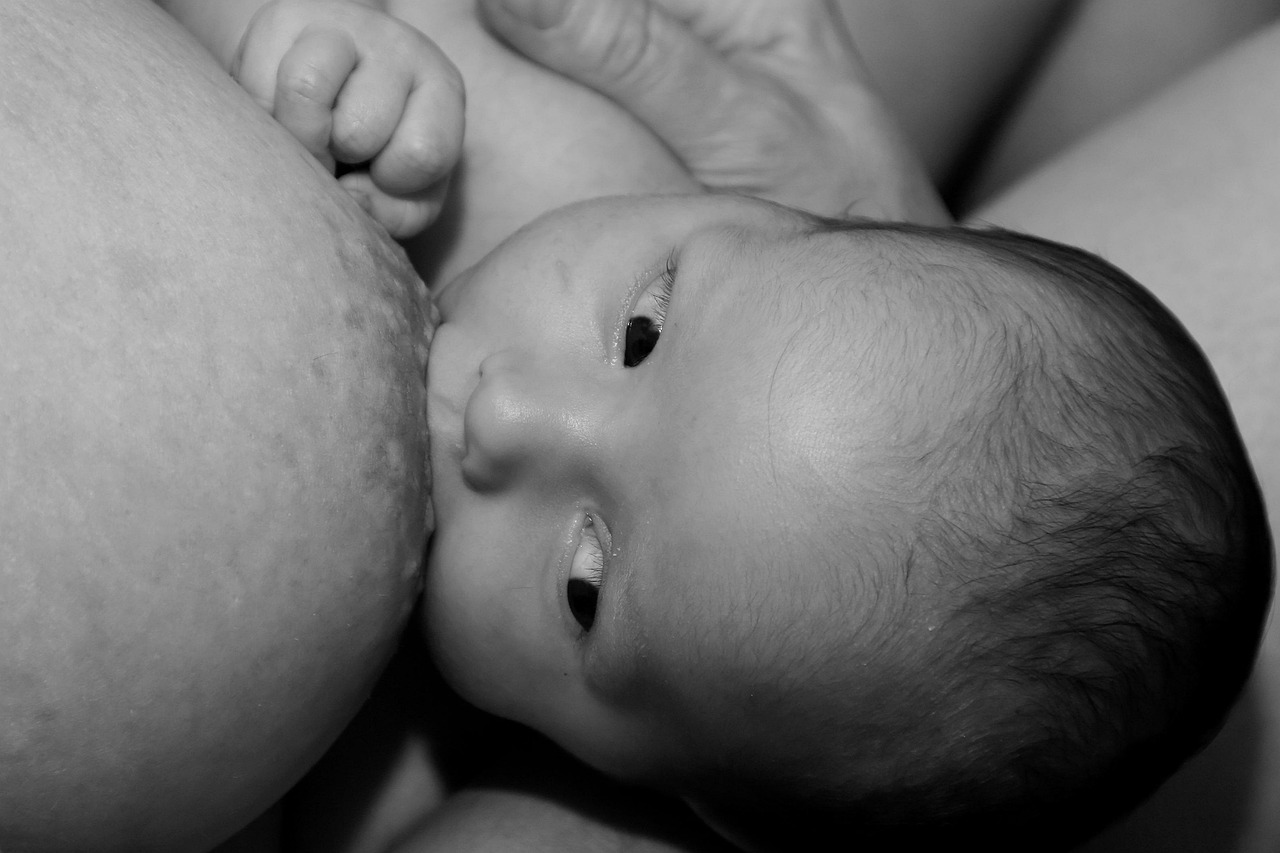

The Science Behind Postpartum Pilates and Muscle Recovery
Postpartum Pilates is an effective and beneficial program designed to assist mothers in their recovery during the postpartum period. This method focuses on restoring core strength and enhancing flexibility, which can be essential after childbirth. One primary element of Pilates methodology is its emphasis on alignment, which helps in regulating posture and body mechanics. By utilizing controlled movements, postpartum Pilates challenges the muscles while minimizing the risk of injury. This systematic approach promotes gradual recovery, ensuring that new mothers can safely regain their strength and function. Moreover, the incorporation of breathwork encourages relaxation and stress reduction, which are particularly essential during this transitional phase. Many women experience anxiety at this time, and engaging in a mindful practice like Pilates can help alleviate those feelings. Postpartum Pilates also strengthens the pelvic floor, which is crucial for overall well-being. Educating new mothers about their bodies after birth offers both physical benefits and emotional support. Ultimately, incorporating Pilates into a fitness regimen can lead to improved health outcomes and a stronger connection to one’s body during the postpartum experience.
Understanding the benefits of Pilates after childbirth is vital for new mothers embarking on their fitness journeys. Pilates emphasizes controlled movements that engage every muscle group, particularly the deep core and pelvic floor. These muscle groups are often weakened during pregnancy and childbirth, making targeted exercises essential for recovery. Enhanced core strength can alleviate lower back pain and improve stability, essential for handling daily parenting activities. Additionally, research supports that effective pelvic floor rehabilitation can prevent the long-term effects of childbirth, such as incontinence or prolapse. By fostering a holistic body awareness, postpartum Pilates encourages women to reconnect with their bodies positively. Women not only learn to engage their core muscles but also to maintain better posture, which is crucial for daily tasks like lifting a baby. Furthermore, an individualized approach tailored to each mother’s needs optimizes physical recovery. Engaging with a certified instructor specializing in postpartum fitness ensures that exercises are appropriate and safe. Combining low-impact movements with breathing techniques can also enhance relaxation. Ultimately, the combination of suitable physical challenges and emotional support can lead to an empowered postpartum experience for mothers.
How Pilates Aids Muscle Recovery
Pilates significantly aids muscle recovery after childbirth by focusing on proper movement patterns and rehabilitation exercises. The importance of reestablishing efficient movement patterns cannot be understated, as they are crucial for physical recovery. Pilates exercises emphasize core activation, back extension, and coordination, which contribute to better posture and overall strength. This method encourages rebuilding the body from the inside out, targeting specific muscle groups that may have weakened during pregnancy. The gentle nature of the exercises also allows mothers to gradually regain strength without overexertion. Moreover, Pilates promotes flexibility, which decreases muscle tension and helps alleviate discomfort. Flexibility contributes to improved range of motion, allowing mothers to engage fully in parenting tasks. Furthermore, incorporating breathing techniques during workouts reduces stress levels and enhances relaxation, which can be beneficial during the demanding postpartum stage. Mindfulness integrated with physical movement improves the overall experience, encouraging mothers to focus on their bodies and well-being. As a result, many women report feeling revitalized and more in tune with their bodies as they progress through their Pilates journey.
The versatility of Postpartum Pilates makes it suitable for women at various fitness levels. New mothers can adapt exercises to meet their specific recovery needs, whether they are beginners or accustomed to physical activity. Certified instructors can offer modifications to ensure safe practice. This personalized approach not only lowers injury risk but also boosts confidence, encouraging ongoing participation. Engaging in group classes fosters community, providing peer support essential for emotional well-being during the postpartum period. Sharing experiences with others in similar situations helps build a network of friendship and encouragement. The interaction can inspire motivation, retaining consistency in practice. Many mothers find joy in the supportive environment created in Pilates classes, where shared goals and challenges lead to lasting bonds. Additionally, the social aspect adds emotional value, serving as a reminder that they are not alone in their journey. Instructors often emphasize realistic goals, reminding mothers to embrace progress instead of perfection. This shift in mindset can dramatically enhance a postpartum experience, allowing women to cherish their achievements and feel empowered throughout their recovery.
Challenges Faced During Postpartum Recovery
Postpartum recovery can be fraught with challenges, both physical and emotional. Many women encounter difficulties such as fatigue, emotional fluctuations, and pain, making it hard to focus on their fitness goals. The body’s transition after childbirth necessitates time for healing and adjustment, making patience vital. Recognizing the importance of allowing the body to recover fully is essential in embracing the postpartum journey. Some mothers may feel overwhelmed by societal pressures to ‘bounce back’ quickly, which can lead to negative self-perception and emotional distress. Establishing a supportive environment can significantly impact recovery. Encouragement from partners, family, and friends can mitigate feelings of isolation and stress. Participating in postpartum Pilates provides a constructive pathway for improvement, as mothers learn to establish realistic expectations concerning their bodies and health. By creating space for self-compassion, mothers can cultivate a more positive relationship with their postpartum fitness journey. Furthermore, discussing feelings openly in a supportive setting helps normalize the struggles faced during this phase, leading to a healthier mindset. Emphasizing overall wellness rather than appearance is crucial, empowering women to prioritize their well-being.
Incorporating nutrition into postpartum recovery enhances the benefits of Pilates. Proper nutrition ensures that new mothers replenish lost nutrients and maintain energy levels, which is essential while adjusting to life with a newborn. Balanced meals contribute to overall health, influencing physical recovery and emotional stability. Additionally, staying hydrated supports muscle recovery and can help reduce fatigue. Education about healthy eating habits tailored for postpartum needs supports optimal recovery. Nutritional consultants can provide guidance in meal planning, empowering mothers to make informed choices. Alongside physical activity, such as Pilates, a focus on nutrition fosters a holistic approach to well-being. Prioritizing self-care, including meal preparation, contributes to the overall experience of motherhood. Engaging family in supportive roles during meal prep can help alleviate the burden. Healthy snacking can provide the necessary fuel to tackle demanding days. Ultimately, a combination of mindful eating and Pilates practice creates a sustainable routine, enhancing physical and emotional recovery. Recognizing the interconnection between nutrition, movement, and emotional health can profoundly influence postpartum experiences, leading to lasting positive effects.
Creating a Personalized Pilates Routine
Developing a personalized Pilates routine is key to effectively addressing the unique needs of postpartum recovery. Customization ensures that new mothers engage in workouts aligned with their individual comfort levels and fitness goals. A qualified instructor can assess each mother’s specific needs, factoring in any physical considerations stemming from childbirth. Tailoring workouts to accommodate these factors promotes safe movement and encourages consistency. Each individual may require different modifications depending on their recovery pace, making alignment with instructor advice essential. Regular progress assessments can help refine the routine as mothers regain strength and flexibility over time. Additionally, incorporating enjoyable aspects into the routine can increase motivation and adherence. While focusing on technique is important, the emotional enjoyment derived from classes can lead to a sustainable routine. Setting attainable goals, such as completing certain exercises or improving coordination, can further foster motivation. Community support through group classes can provide encouragement and camaraderie among mothers. As they progress, mothers will also witness the physical and emotional transformations that result from their commitment to their personalized Pilates journey.
Ultimately, Pilates offers a comprehensive approach to postpartum recovery that blends physical, emotional, and nutritional elements. Its focus on core strength, flexibility, and breathing techniques can substantially enhance recovery experiences for women in the postpartum stage. By recognizing the interconnectedness of movement patterns and emotional health, mothers can achieve holistic well-being. Furthermore, the importance of creating and participating in community-oriented classes fosters a supportive atmosphere. Share experiences and gain inspiration from fellow participants assist in navigating the challenges faced during this demanding phase. Integrating these components into a balanced recovery plan can lead to significant improvement in overall health. The outcomes from Pilates practice extend beyond physical fitness; they help mothers cultivate resilience and self-confidence. By investing in their recovery, new mothers are equipped to face the challenges of motherhood head-on. Through Pilates, women can embrace their transformative journey positively, prioritizing their wellness. As they reestablish connections with their bodies, the bond formed during this time enhances the postpartum experience, promoting lasting health benefits and personal growth. Consequently, postpartum Pilates stands out as a vital tree of support for many women seeking recovery and empowerment.