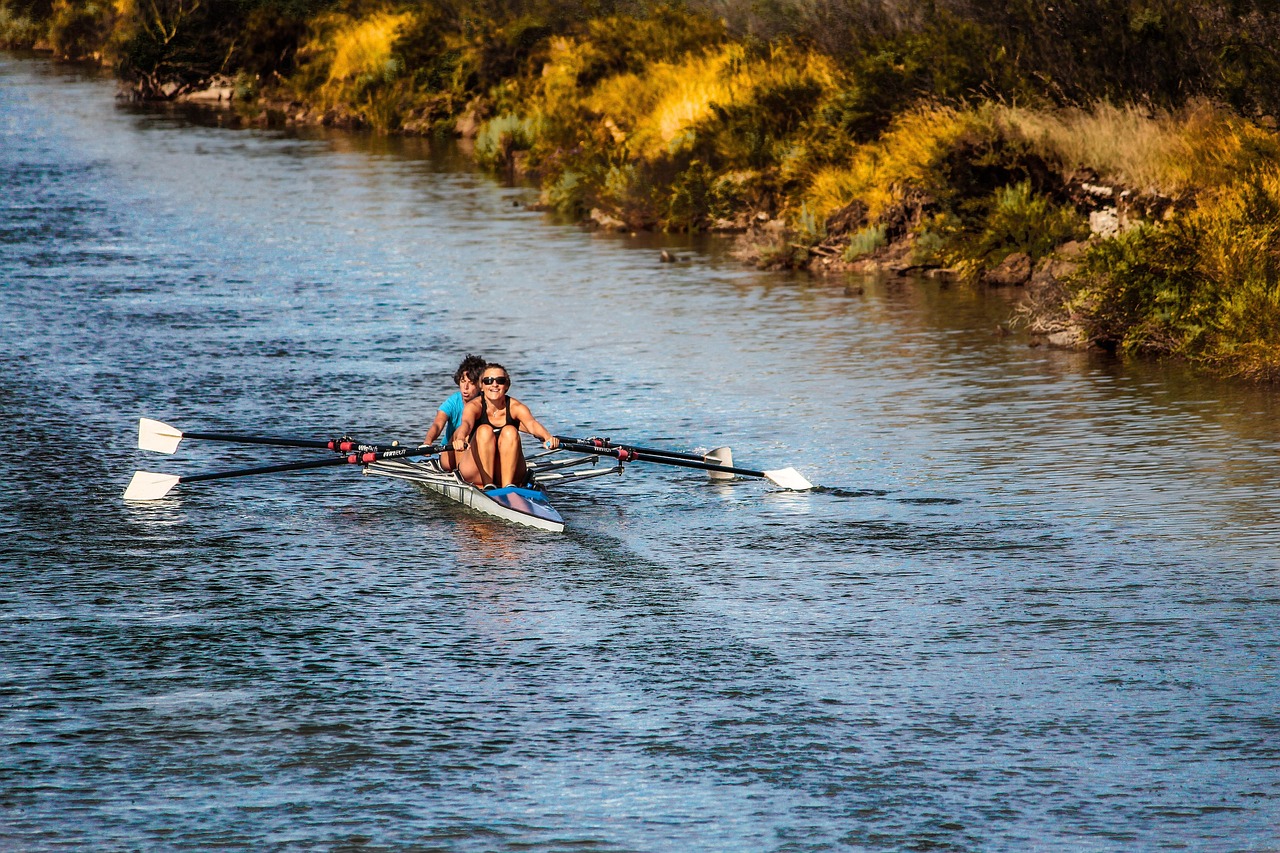

Using Action Cameras to Enhance Your Rowing Photography
Rowing photography is an exciting field that captures the athleticism and elegance of this unique sport. Action cameras, like GoPros, have revolutionized photography and videography by providing lightweight and compact options for capturing fast-paced action. Their versatility allows them to be mounted on various surfaces, offering unique perspectives that traditional cameras can’t achieve. Additionally, action cameras are often water-resistant, making them ideal for capturing rowing activities on water. Using these cameras, photographers can achieve incredible shots from on the water, in the boat, or from the sidelines. High frame rates facilitate slow-motion features, which greatly enhance the drama in rowing shots. It’s essential to learn how to use these cameras effectively, ensuring that you capture the peak moments when teammates are exerting their strength. Consider also employing different mounts and accessories to enhance your shots. Each placement can yield different results, allowing for creative compositions that tell stories about the sport. For aspiring rowing photographers, action cameras provide an opportunity to develop their skills while exploring various angles and perspectives.
To get the best results with your action camera, it’s crucial to familiarize yourself with its features and settings. Many action cameras are equipped with modes designed specifically for sports photography, such as burst shooting or time-lapse features. Make sure you’re aware of the camera’s resolution settings. Maximizing video resolution will deliver the best quality for your pictures and footage. Other essential settings include frame rates and whether to shoot in wide angle or standard mode. Experimenting with different settings will enable you to find what works best for various lighting conditions and perspectives. Furthermore, stabilizing your camera will significantly improve the quality of your shots, especially when capturing fast-moving subjects. Some action cameras offer built-in stabilization technology, providing smooth footage even in challenging conditions. Understanding the capabilities of your device will allow you to create more dynamic and eye-catching images. Keep in mind that good rowing photography often requires patience – waiting for those critical moments when rowers push off from the water or celebrate a race win can make all the difference in your shots.
Choosing the Right Gear for Rowing Photography
The right gear plays a vital role in improving your rowing photography experience. Selecting quality action cameras is paramount for capturing high-definition images. Besides high-quality cameras, there are numerous accessories to consider. For example, using mounts specifically designed for boats can greatly enhance stability and capture angles that showcase rowers’ strength and coordination. Chest mounts are also effective for a first-person view, providing a unique perspective of the action. A monopod can be beneficial for maintaining a stable perspective while capturing moving boats. Additionally, you’ll want to invest in extra batteries and memory cards, as action cameras can consume power quickly when recording video is ongoing. Extra cards and batteries allow you to capture full races without interruptions. Also, consider using external microphones if you want to capture sound effectively, as many action cameras have limited audio capabilities. Don’t forget to protect your gear — waterproof cases or bags can prevent damage from splashes and moisture when you’re shooting on or near the water.
As you start shooting, always consider the composition of your photos. Photography in general adheres to rules that create visually pleasing images, but action shots of rowing also have unique considerations. Paying attention to your surroundings is essential; finding a great backdrop can enhance the overall aesthetics. Look for elements in the water, trees, or riverbanks that can complement the rowers. Lighting also plays a critical role; early morning or late afternoon light can create dramatic effects, highlighting the muscles and form of the rowers. During bright sunny days, be aware of harsh shadows that could distract from your subjects. Additionally, it’s tempting to rely solely on automatic settings, but using manual controls can yield more creative results. Don’t hesitate to challenge yourself with experimenting; adjust your exposure settings to achieve the desired results creatively. As you practice more, your understanding of good composition will naturally develop. Find your unique visual style that resonates with the emotions of rowing, whether it’s quiet determination or unparalleled exhilaration during a race finish.
Post-Processing Your Rowing Images
After shooting, the excitement of capturing great rowing moments doesn’t stop; post-processing your photos is where the true magic happens. Editing can enhance your original shots, making them more vivid and emotionally resonant. Utilizing software like Adobe Lightroom or Photoshop greatly adds value by allowing you to adjust exposure, contrast, and color balance. Color adjustments can highlight the vibrant colors of rowers’ uniforms against the water and foliage, creating striking visuals. You can also crop images to focus on your subject, removing distractions from the composition. Be careful not to over-edit; maintaining authenticity is essential for a true representation of the sport. Applying subtle filters or enhancements can also keep the image natural while still emphasizing key features. Moreover, sharing your edited images effectively can transform your photography hobby into a professional showcasing opportunity. By establishing a portfolio and utilizing social media platforms, you can reach a wider audience and connect with other rowing enthusiasts and photographers.
In addition to the technical skills involved in capturing rowing photos, understanding the sport itself enhances your photography experience. Familiarizing yourself with rowing terminology and techniques can aid in predicting when the best shots will occur. Knowing when rowers pull with intensity, or the precise moment they thrust their oars can lead to more impactful and dynamic shots. Attending live races also allows for learning about different boat classes and rower dynamics. Engaging with the rowing community can yield insights regarding the best locations and times to shoot. This knowledge transforms your approach, allowing you to capture not just the action, but the essence of the sport; teamwork and determination become focal points in your images. Furthermore, connecting with other photographers can provide additional tips and opportunities for collaboration, allowing all participants to improve. By fostering relationships within the rowing community, you also contribute to sharing the sport’s beauty through your lens.
Conclusion
In conclusion, using action cameras for rowing photography opens an exciting new realm of possibilities for capturing stunning visuals. Their unique features and accessory compatibility allow for creative exploration beyond traditional photography methods. Understanding their functionalities is crucial in leveraging these cameras effectively within different environments. Coupling the right gear with a strong understanding of composition will yield professional quality imagery that tells compelling stories of the sport. After capturing your shots, editing offers a chance to enhance and present your best work. Above all, appreciating the sport by immersing yourself in its community builds a foundation for long-term success in rowing photography. By developing strong skills and techniques, you not only grow as a photographer but also contribute to promoting the sport of rowing. Whether you’re an amateur or a professional, a passion for capturing these moments will drive your photographic journey. With persistence and creativity, your rowing photography can inspire and evoke emotions while showcasing the beauty of this engaging activity for all to appreciate.
Using action cameras is a game changer for enthusiasts interested in documenting rowing activities. With these tips and advice, it’s possible to elevate your photography skills dramatically.