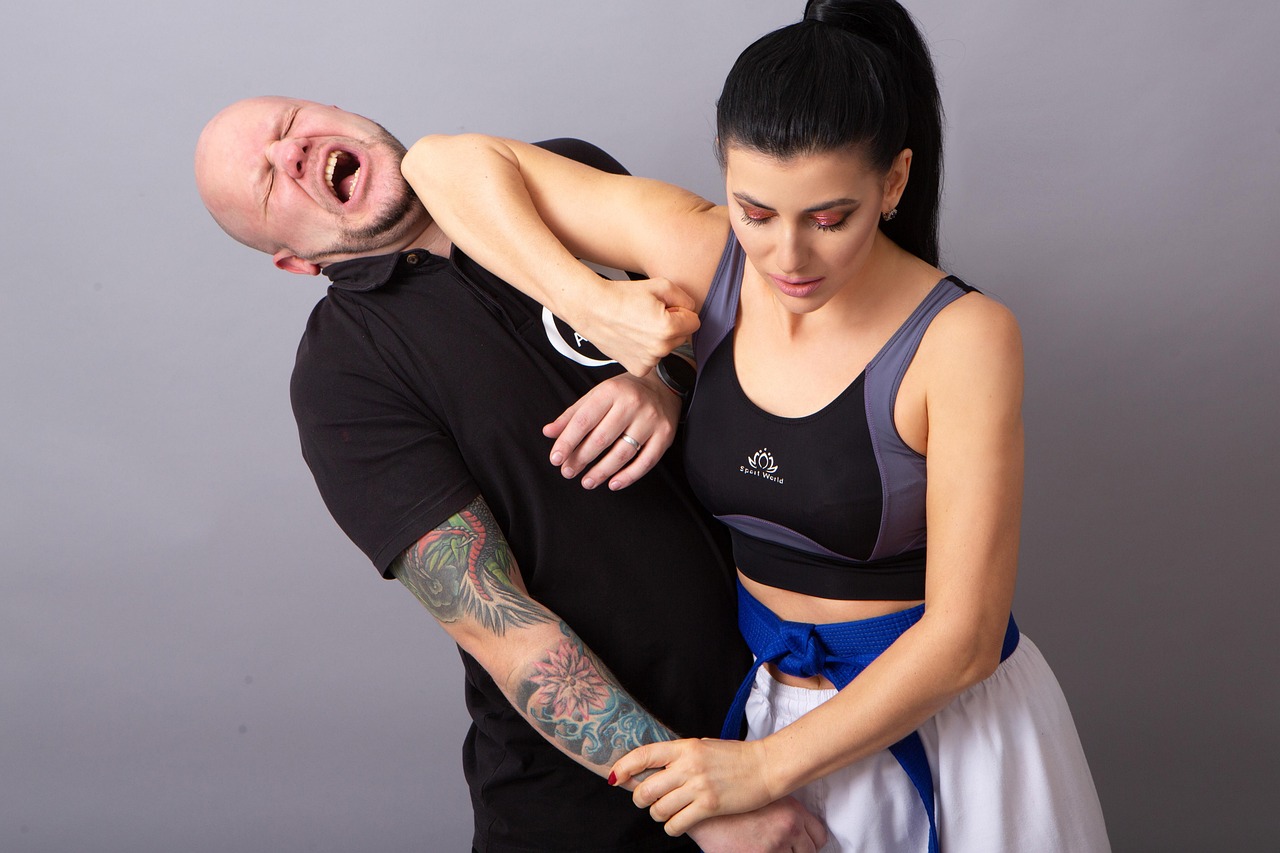

Using Escape Techniques to Gain Confidence in Self-Defense
Self-defense training is essential for everyone, empowering individuals to feel more secure and confident in various situations. Among different forms of self-defense training, mastering escape techniques is particularly crucial. These techniques enable individuals to evade threats rather than confront them, minimizing risk and promoting safety. Engaging in practical exercises helps retain these principles, ensuring preparedness in real-life scenarios. Practicing regularly not only enhances skills but also improves physical fitness and mental clarity, helping one stay calm under pressure. Moreover, understanding escape routes and methods can make a significant difference in an emergency, allowing for a quick exit while avoiding potential harm. By developing these skills alongside fellow students, individuals can encourage each other and foster a supportive community, creating a more enriching training experience that focuses on mutual respect and learning. Feeling secure in one’s ability to escape a threat can drastically improve confidence levels, translating to better decision-making and quicker reactions. With consistent practice, anyone can familiarize themselves with effective escape techniques tailored to various situations, contributing greatly to their overall self-defense ability.
The Importance of Training in Escape Techniques
When it comes to self-defense, prevention is often more beneficial than confrontation. Escape techniques emphasize the art of retreating safely when confronted with a potential attacker, allowing individuals to avoid dangerous situations altogether. This shift in focus from fighting to escaping creates an environment where practitioners can explore various options in a calm, controlled manner. Techniques such as breaking free from holds, using the environment for leverage, or creating sufficient distance allow individuals to prioritize their safety. Furthermore, the mental aspect of self-defense cannot be understated. When people understand that they have the ability to escape dangerous scenarios, their confidence grows significantly. This newfound sense of security enables individuals to navigate everyday situations without constant anxiety, as they know they can respond appropriately if confronted. Training encourages quick thinking and embodies the principle that it is acceptable to retreat when faced with danger. Engaging in escape drills provides hands-on experience, reinforcing muscle memory and reactions under stress. These skills can be applied not only in threatening encounters but also in unforeseen situations that demand immediate action.
Building a solid foundation in self-defense begins with recognizing the significance of escape techniques. Practicing these skills in various environments, such as streets, parks, or crowded spaces, enhances adaptability, enabling the practitioner to assess each situation and choose the best response. As the training progresses, participants develop sharper instincts that help identify potential threats sooner. Connection with trainers and classmates fosters a sense of community, wherein support and encouragement lead to better retention of techniques. Group dynamics enhance learning experiences, promoting a safe space for inquiry and concern. Moreover, when trainees observe each other executing escape techniques, they can appreciate different styles and find inspiration for their own growth. Each session can spark discussions about helpful strategies, advice, and even psychological techniques for maintaining calm under stress. Thus, training remains an ongoing process, and every encounter can serve as a valuable learning experience. Participants begin understanding their strengths and weaknesses and enhance confidence, enabling them to confront the world with positive energy. Safety awareness becomes ingrained, allowing individuals to thrive while feeling more secure.
Enhancing Physical Fitness Through Self-Defense Training
Another advantage of self-defense training, particularly in learning escape techniques, is the enhancement of physical fitness. Engaging in consistent training sessions promotes cardiovascular health, strength, agility, and coordination. Participants can experience improved overall well-being as they develop their body through various exercises and techniques. Practicing escape techniques often requires quick, explosive movements that strengthen the muscles based on circumstance. For instance, breaking away from holds necessitates powerful arm movements, while dodging an attacker involves rapid body shifts. This comprehensive training ultimately aids in weight management, improving mood, and boosting self-esteem. Furthermore, as individuals notice improvements in their physical abilities, this translates to higher confidence levels and better self-image. With regular practice, there is an observable increase in endurance, allowing practitioners to remain effective throughout long sessions. Those training in escape techniques often find themselves feeling lighter, faster, and more prepared for challenges beyond self-defense. Including fun and engaging activities will help bolster motivation, making the training process enjoyable while ensuring individuals remain committed to their safety and empowerment.
Moreover, a vital element in enhancing self-defense skills through escape techniques is understanding how to utilize one’s surroundings effectively. Being aware of the environment allows trainees to use physical advantages to their benefit in an escape scenario. Whether it’s a crowded area, a storefront, or a park, the participants learn how to maneuver to keep themselves safe. Training can include simulation exercises that replicate real-life encounters to develop skills in situational awareness. Practitioners are trained to recognize exit routes, obstacles, or potential shelters during practice drills to get accustomed to thinking in a crisis. A focus on environmental awareness complements the learning of physical escape techniques and contributes to the overall safety mindset. Such skills help prepare individuals for unpredictable circumstances, leading to increased confidence when faced with possible threats. Trainees often engage in partner drills, where one plays the aggressor, while the other practices escaping. The contrast between attacker and escapee creates a dynamic training experience, sharpening reflexes and building confidence in the efficacy of techniques learned.
Psychological Benefits of Mastering Escape Techniques
Practicing escape techniques not only develops physical self-defense skills but also nurtures significant psychological benefits. Gaining mastery over these techniques fosters resilience and an empowered mindset, allowing individuals to feel in control of their well-being. As participants engage in escape drills, they effectively reshape their mental blocks around fear. With repeated practice, trainees can break down psychological barriers, conditioning themselves to think clearly in distressing scenarios. This improved mental fortitude plays a role beyond self-defense; it can manifest in life situations that require assertiveness, decision-making, and courage. When individuals are armed with techniques that guarantee their safety, they are more likely to approach uncertain moments with clarity. Additionally, self-defense training can serve as a powerful stress-reliever. Physical activity has proven mental health benefits, including alleviating anxiety and boosting mood. Participants often leave training feeling invigorated, satisfied, and proud of their ability to protect themselves. This invigorating daily boost helps combat challenges faced throughout life by instilling a proactive mindset.
In addition, incorporating fun, engaging exercises within self-defense training enhances the learning experience. Confidence tends to increase when participants feel relaxed and enjoy the training environment. One effective way to make the training more dynamic is through games and team-building exercises. These activities foster camaraderie among classmates and further reinforce the physical and mental aspects of self-defense training. Practicing escape techniques in a playful manner enables participants to shed inhibitions, allowing them to explore their limits without the weight of judgment. When students laugh together and share experiences, the sense of community solidifies and cultivates trust. This supportive atmosphere encourages everyone to rise to their potential, building confidence in each other. Additionally, sharing personal achievements and progress acts as motivation and inspiration for all, reminding participants that growth comes from pushing boundaries and striving for improvement. As connections deepen between practitioners, they foster an environment where self-defense becomes more than just physical training; it evolves into a journey of personal development, resilience, and shared accomplishments.
Conclusion: Embrace Escape Techniques for a Confident Future
In conclusion, training in escape techniques is invaluable for anyone seeking to enhance their self-defense abilities. By emphasizing evasion over confrontation, practitioners can develop crucial life skills while boosting their confidence and overall empowerment. Regular practice not only significantly improves physical fitness but also fosters significant psychological advantages that benefit individuals in various aspects of life. Benefiting from the camaraderie built through shared experiences, participants can encourage one another to reach their full potential. The cultivation of situational awareness empowers practitioners, allowing them to navigate their environments with vigilance. Ultimately, these escape techniques instill an unwavering belief in one’s abilities, helping develop a more confident mindset. Each successful escape reinforces the idea that it is possible to protect oneself intelligently and safely in varying situations. As individuals continue their self-defense journey, the knowledge gained cultivates ongoing growth, honing instincts that serve them well beyond training. The road to confidence and safety starts here, motivating practitioners to embrace these essential skills. Armed with effective escape techniques, anyone can navigate life feeling empowered to attain their goals.