
10 Essential Parkour Training Tips for Beginners
Jumping into parkour can be exhilarating yet daunting for beginners. The key to mastering parkour is to start with a solid foundation. Focus on basic movements such as rolling, landing, and vaulting. Start by practicing these movements on stable ground to gain confidence. Once comfortable, progress to elevated surfaces that incorporate obstacles. Set progressive goals to track your progress. Developing muscle strength is crucial for executing parkour movements safely. Engage in strength training exercises like squats and lunges to improve your core and leg muscles. Moreover, flexibility is vital in parkour; stretching regularly will enhance your overall performance. Form a training routine that addresses strength, endurance, and flexibility. Always warm-up before training to prevent injuries. Parkour is not just physical; mental readiness is equally important. Practice visualization techniques to mentally rehearse your moves. Finally, never underestimate the importance of community. Join local parkour groups or online forums to network with experienced practitioners. They can provide coaching and feedback, positively influencing your journey.
Understanding your limits is paramount as a beginner in parkour. Attempting advanced moves without proper practice and skill can lead to injuries. Pay attention to your body’s signals and avoid pushing past your comfort zone. Learning to fall is an essential skill; practice controlled falls to minimize injury risk. Choose safe locations for training, such as parks or gyms equipped for parkour. Environmental aesthetics can motivate you, so find unique spaces that inspire creativity in movement. Equipment can also aid your practice. Consider investing in proper footwear designed for flexibility and grip. Quality shoes will enhance your agility while protecting your feet. Team up with friends when training, as collaborative practice can boost motivation and support. Document your training sessions; video feedback can highlight areas needing improvement. Enjoying the process is crucial; focus on having fun while learning new skills. Don’t succumb to pressures of competition. Each individual progresses at their own pace, so embrace your unique journey in parkour.
Focus on Basics Before Progressing
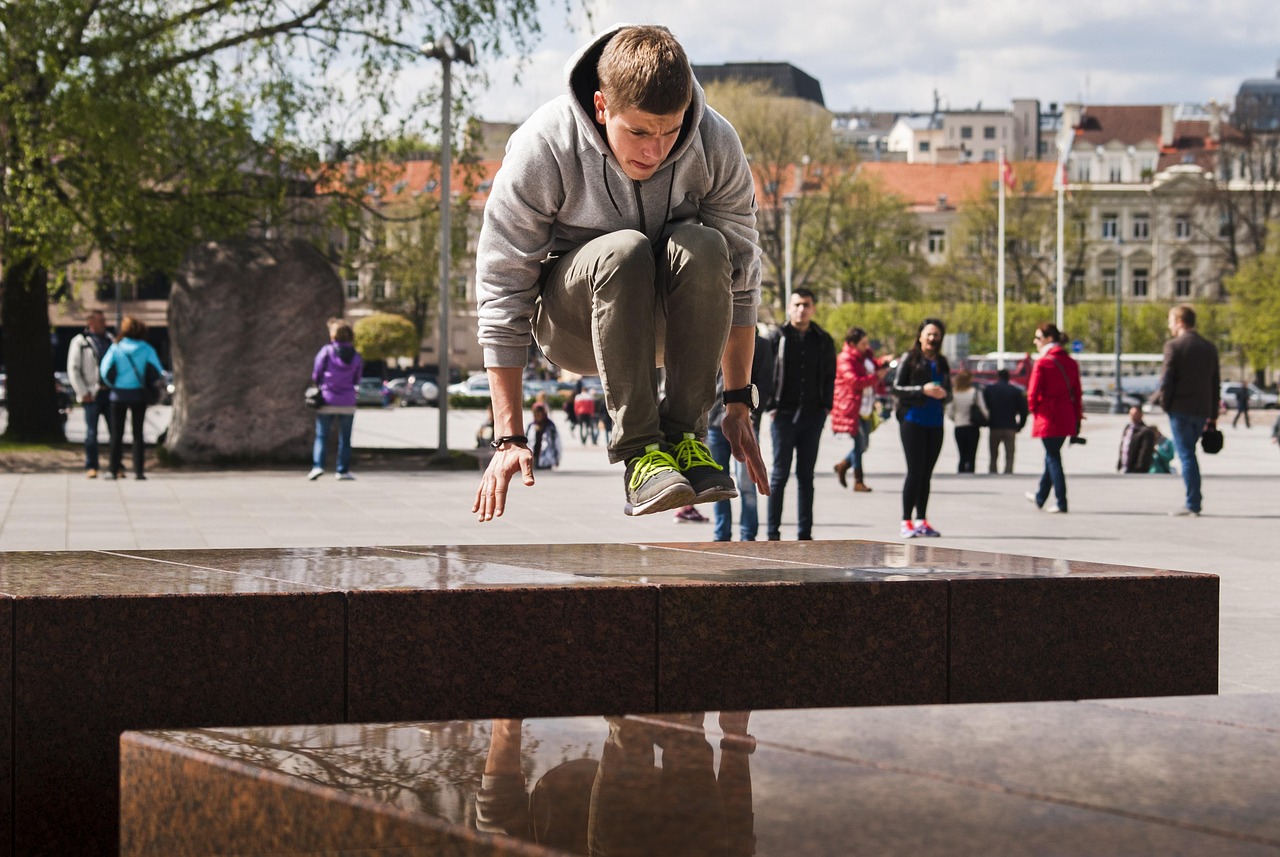
Mastering the fundamentals in parkour allows you to build skills incrementally. Begin with foundational techniques such as precision jumps and rolls. These are critical for maintaining safety and control. Failures during progression can lead to discouragement, so celebrate minor victories. Analyze your form in each move: are you landing on the balls of your feet? Is your body aligned correctly when performing vaults? These small details make a significant difference. Start sparingly; engage in short training sessions to avoid fatigue. Gradually increase intensity and duration as your abilities improve. Recorded video sessions provide valuable insights; review them and analyze your technique. Incorporating varied terrain will also benefit your training. Flat surfaces help establish basic skills, but uneven ground enhances adaptability. Over time, practice incorporating obstacles that mimic real-life scenarios encountered in parkour. This practice will develop quick decision-making skills, essential for navigating your environment. Cultivating awareness of surroundings is vital; always evaluate your environment for potential hazards. Keep a positive mindset; patience is critical. Every expert in parkour was once a beginner who took their time to improve.
Injury prevention cannot be overlooked when training for parkour. Develop a pre-training routine that includes dynamic stretching to warm your muscles. This routine prepares your body for movement while reducing injury risks. Furthermore, post-training recovery practices such as foam rolling can aid your muscle repair. Nutrition plays a crucial role in training progression. Fuel your body with proper meals that provide energy and enhance recovery. Consuming protein-rich snacks after training can aid muscle recovery and promote growth. Hydration is equally essential for optimal performance; ensure you drink sufficient water before, during, and after activities. Focus on incorporating variety into your training regimen to prevent boredom. Mixing exercises such as flips, jumps, and balance drills encourages overall skill development. Challenge yourself with new movements periodically and track progress to stay engaged. Connecting with the parkour community is a great way to learn different techniques. Experienced practitioners often host workshops or offer classes, allowing beginners to receive personalized feedback. Creating a supportive network enhances your skills while motivating you to continue. Stick with it and enjoy every step on this incredible journey.
Parkour Gear Essentials
While many consider parkour a minimalist sport, possessing the right gear can greatly impact your experience. Begin with appropriate footwear designed for impact absorption and traction. Shoes that provide stability and flexibility will aid various parkour movements. Ensure they fit well; ill-fitting shoes can lead to unnecessary injuries. Comfortable clothing is equally important; opt for breathable materials that allow for unrestricted movement. Baggy shorts or stretchable pants can work well, ensuring you won’t be restricted while performing tricks. Accessories such as gloves can also enhance grip, making various movements smoother. Don’t forget the importance of safety gear, especially for beginners. While not required for every session, using protective gear such as knee pads can help prevent injuries during falls. Carrying a small backpack can also be advantageous during training sessions, allowing you to bring essential supplies or water. Consider incorporating a light mat for practicing landings. These mats absorb impact, providing a safer platform for honing techniques. Utilize these gear essentials to maximize training performance and safety.
The importance of mental conditioning in parkour cannot be overstated. Your mindset can significantly affect your performance during training sessions. Developing confidence is crucial to overcoming challenges and building resilience. Mentally rehearse each trick before executing it; visualize your movement in detail. This technique can strengthen your neural pathways, which enhances muscle coordination. Embrace failure as part of the journey; every mistake is a learning opportunity. Reflect on each training session to identify areas for improvement. Positive self-talk can enhance your confidence, helping you focus on strengths rather than weaknesses. Create mini-challenges for yourself to engage your competitive spirit without risking injury. Emphasizing progress over perfection fosters a healthy relationship with your abilities. Moreover, mindfulness practices such as meditation can cultivate mental discipline, furthering your growth in parkour. Equip yourself with tools such as journals to track personal development and reflect on achievements. Engage in supportive conversations with fellow parkour enthusiasts to share struggles and victories. These connections create a sense of belonging that is vital to stay motivated.
Conclusion: Embrace the Journey
Embracing your parkour journey begins with understanding that progress takes time. Allow yourself to be a beginner; each step forward is an achievement. Make your training schedule consistent, but remain open to spontaneity. Seek out new locations, and experiment with diverse surfaces to add excitement. Besides physical conditioning, invest time in connecting with your surroundings. Shaping your environment through dedicated practice makes the training experience infinitely rewarding. Encounter challenges with a positive attitude; learning to adapt is key in parkour. Celebrate the small victories, whether completing a new move or mastering a challenging landing, as they contribute to overall growth. Keep an open heart while discovering fellow practitioners’ stories as they often inspire your own practice. As you progress, remember that parkour is about expression and exploration; learn to appreciate your individuality within the practice. Always focus on safety; it enables longevity in your parkour journey. Lastly, encourage others to pursue their interests in parkour; sharing knowledge can build a supportive community. With these essentials in mind, you’re well on your way to becoming a skilled parkour practitioner.
Additional Resources
Beyond physical training and mental conditioning, immerse yourself in additional resources designed to enhance your parkour skills. Books taught by seasoned practitioners provide valuable insights on developing techniques and understanding the philosophy behind the sport. Online tutorials and instructional videos can offer fresh perspectives, demonstrating advanced moves in detail. Use these materials to supplement your training and broaden your knowledge beyond practical exercises. Following experienced parkour athletes on social media can also keep you inspired. They often share tips, training techniques, and motivational content, fueling your passion further. Finally, add mobility exercises into your routine to improve joint flexibility. Dynamic movement classes such as yoga can enhance overall balance, thus allowing smoother parkour transitions. Using all these available resources contributes to your journey, ultimately leading to improved skills and better execution of parkour techniques. The key is establishing a well-rounded approach that refines your abilities while keeping your training enjoyable and engaging. In doing so, you will not only be able to excel in parkour but also enjoy every moment spent exploring your physical potential.