
Best Sports for Seniors to Boost Balance and Coordination
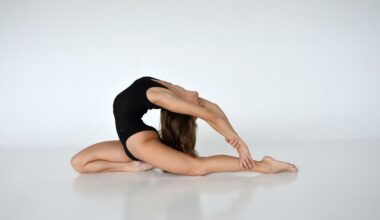
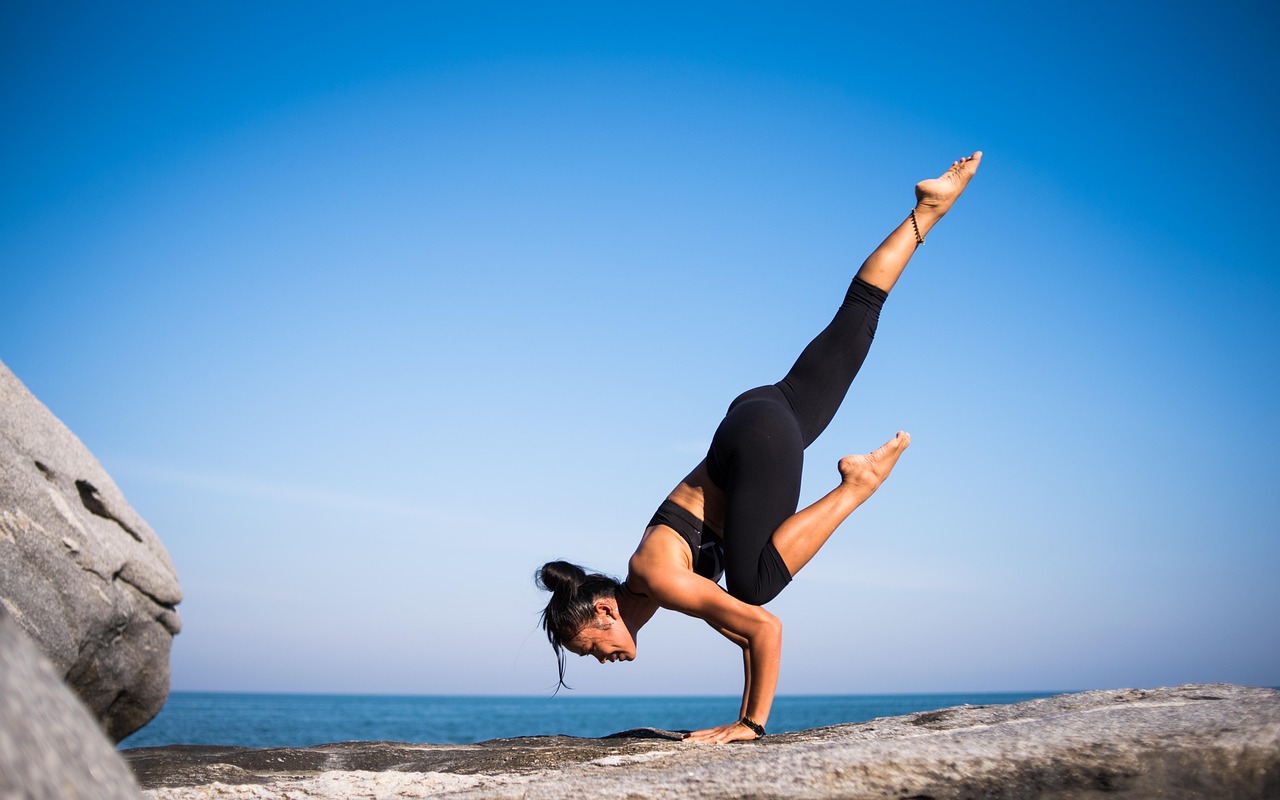
Engaging in sports can significantly enhance balance and coordination in seniors, improving overall health and reducing fall risk. One of the best options is swimming. This low-impact activity strengthens muscles and increases flexibility without stressing the joints. Water provides support, helping to maintain balance naturally. Furthermore, seniors can try tai chi, which combines gentle movements with mindfulness. This ancient practice improves posture, enhances balance, and cultivates body awareness. Regular participation can enhance cognitive function while reducing stress levels. Group classes can foster social connections, further providing mental health benefits. Golf is another excellent choice as it involves walking and gentle swinging, which builds leg strength, core stability, and balance. It allows for social interaction while enjoying nature, adding an element of fun to physical activity. Senior’s abilities can dictate their approach, providing options like driving a golf cart or practicing skills at shorter distances. Another alternative is yoga, which not only builds strength but also enhances flexibility and coordination. Specialized seniors’ classes incorporate poses that promote stability, ensuring a safe exercise environment. All of these activities can be adapted for various fitness levels, making them approachable for everyone.
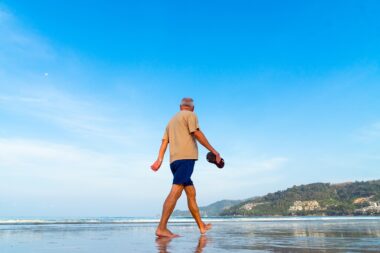
Group classes are often available, which cater to seniors’ specific needs. Dance offers another exciting option, engaging both body and mind in rhythmic movement. From line dancing to ballroom dancing, seniors can enjoy the mental benefits while improving their coordination skills through various steps and patterns. Even basic dance moves can be tailored to different abilities, emphasizing enjoyment over competition. Another enjoyable sport is walking basketball, which eliminates running for a safer, low-impact experience. Teams engage in activities that promote teamwork while enhancing hand-eye coordination. Many communities offer adaptive versions to ensure inclusivity. Cycling, especially on stationary bikes or gentle outdoor rides, also contributes to stability. This sport builds leg strength while improving overall cardiovascular fitness. Additionally, it allows seniors to enjoy fresh air while maintaining a balanced body. Walking, particularly in nature, is among the simplest options yet highly beneficial. It improves overall fitness and provides the bonus of balance challenges on uneven terrain. Finally, outdoor activities like hiking can be adapted according to skill level, combining the advantages of walking with scenic views. Outdoor engagement can support mental well-being while boosting physical capabilities. All these options create sustainable practices and opportunities for socialization.
Recreational Activities for Improvement
Recreational activities like pickleball are overtaking traditional sports, with growing popularity among seniors for a good reason. This paddle sport combines elements from tennis and badminton, offering a unique dynamic that emphasizes strategy and agility. Playing pickleball not only enhances hand-eye coordination but also provides an excellent cardiovascular workout. Additionally, many communities have established leagues or recreational groups, encouraging socialization amongst participants. With a smaller court size and slower pace, it’s easier for seniors to maintain a competitive yet fun spirit. Moreover, gardening can also improve balance and coordination without an explicit sports context. Engaging in light gardening activities strengthens core muscles and enhances flexibility, which contributes directly to better balance. Digging, bending, and moving around the garden requires stabilization, fostering physical awareness of their surroundings. Bowling is another exciting option suited for seniors, allowing them to work on hand-eye coordination while providing a fun social environment. It can be done at various skill levels, adapting equipment for those requiring assistance. This sport can be practiced individually or in groups, promoting camaraderie and friendly competition among participants. With so many engaging options, seniors have a wide variety of sports to choose from.
Strength training, though often overlooked, is equally crucial for seniors, helping to improve balance and coordination. Options like resistance bands or light weights can be introduced safely. These exercises should focus on major muscle groups to enhance functional strength, which directly supports better balance. Furthermore, participating in community centers or fitness classes can ensure they receive guidance while performing exercises safely. Another effective option is martial arts, such as tai chi, and karate for seniors. These disciplines strengthen core muscles while providing essential flexibility and coordination training. Classes tailored for elderly participants progress at a comfortable pace, allowing everyone to learn at their own level. The martial arts emphasize controlled movements, making them suitable for various fitness levels. Bowling can also incorporate personalized adaptations for various abilities while providing fun and social engagement. Many bowling alleys offer leagues for seniors, promoting a healthy lifestyle through friendly competition. Finally, beach volleyball is a fun way for seniors to engage in low-impact play, emphasizing balance while enjoying a recreational atmosphere. Teams form bonds while working together to maintain coordination, making it a fantastic way to improve health through sport. Creating an affable and positive environment aids in sustaining activity.
The Importance of Social Engagement
Maintaining an active lifestyle through sports can contribute to the social connection necessary for evading feelings of isolation. Regular participation in any sports activity provides opportunities for friendships to grow and flourish. Joining local leagues or clubs allows seniors to interact with peers, benefiting their mental health significantly. Engaging in friendly competition also fosters motivation while encouraging engagement. This social aspect is particularly crucial as it can help combat loneliness, a prevalent issue among seniors. Group activities inherently create a supportive environment wherein participants encourage each other to thrive. Additionally, participating in sports teaches valuable life skills like teamwork and problem-solving abilities. Such lessons can translate beyond the sport itself, benefiting daily social interactions. Furthermore, volunteer opportunities within sports can allow seniors to contribute to community events, enhancing their sense of purpose. They can assist in organizing tournaments and coaching new participants, providing them with a continued role within their community. This sense of involvement can foster a positive attitude towards physical activity and life in general. As they share experiences, peers provide informal encouragement and advice, leading to improved skills and confidence while fostering essential social ties.
To sum it up, maintaining balance and coordination through sports provides countless benefits for seniors. Not only does it enhance strength and stability, but it also fosters social connections that are vital for mental well-being. Each sport described can be tailored, allowing seniors to engage based on their unique preferences and fitness levels. Encouragement from others within the sporting community reinforces healthy practices, boosting overall morale and fostering better outcomes. It is essential for seniors to assess their own abilities and consult health professionals before starting any new sports activity. By doing so, they can tailor programs to fit their specific needs and establish realistic goals. Additionally, staying active through sports necessitates a commitment to long-term habits, leading to sustainable changes in lifestyle. The effort put into these activities yields both physical and emotional rewards that enhance quality of life. Regular sports practices can also help in preventing age-related decline, allowing seniors to maintain independence for longer. As they enjoy various sporting activities, fostering a passion for continued engagement is the key to overall health and happiness. In conclusion, never underestimate the power of sports in enhancing well-being for seniors.
Conclusion
In conclusion, choosing suitable sports activities can significantly enhance balance and coordination in seniors, optimizing their overall health. The activities discussed are adaptable, inclusive, and enjoyable for varying skill levels. Seniors should explore options like swimming, tai chi, or dancing, ensuring they find options that resonate with their interests and abilities while considering their physical limitations. Encouraging the exploration of different sports enhances not only physical capabilities but also emotional bonds created through camaraderie. Sports that promote social interaction can effectively reduce feelings of loneliness while increasing community engagement. By establishing consistent participation, seniors may improve their health while fostering social networks that support their well-being. As they embark on this journey, seeking advice from professionals aids in tailoring sports to their individual fitness levels, ensuring enjoyable experiences. Importantly, building safe and enjoyable environments remains crucial to fostering enthusiasm for these activities. It encourages seniors to become more engaged in their fitness journey while maintaining a balanced lifestyle. The benefits of sports extend beyond physical abilities, enriching lives through connection and shared experiences. Thus, maintaining balance and coordination through regular sports practice is essential for senior health and happiness.