
Cold Water Immersion and Other Cool-down Modalities
Cold water immersion has gained popularity among athletes as a highly effective method for recovery. By submerging the body in cold water, the temperature drop triggers physiological responses that can help reduce muscle soreness, inflammation, and fatigue effectively. This method utilizes constriction of blood vessels to minimize swelling and alleviate pain. Additionally, cold water immersion enhances recovery by clearing metabolic waste products. Many elite athletes incorporate cold water immersion as part of their post-exercise routine. Research supports its efficacy in improving performance and recovery. Prior to using cold water immersion, it is essential to understand the appropriate duration and temperature, as extremes can lead to adverse effects. Generally, a water temperature between 10-15 degrees Celsius for 10-15 minutes is optimal for most individuals. Always listen to your body’s signals as you adapt for maximum benefits. Other cool-down modalities complement cold water immersion, providing an array of options. Incorporating these practices ensures a well-rounded approach to athlete recovery. Understanding how to capitalize on various methods is crucial for optimal performance during training. Finally, consulting with a sports professional can offer personalized guidance for effective implementation.
Compression garments are another excellent modality for cool-down post-exercise recovery. These garments are designed to apply pressure to specific body areas, enhancing blood circulation. Improved circulation aids in the clearance of metabolic waste and reduces muscle soreness significantly. Many athletes wear compression garments during training and after workouts to optimize recovery. The snug fit provides support and can prevent excessive swelling. These garments come in various forms, including sleeves and full-leg options. Depending on personal preferences and areas targeted, athletes may choose what best suits their needs. Furthermore, it is essential to ensure that these garments are of high quality, as effectiveness can vary widely between brands. Compression should be consistent but not so tight that it restricts blood flow. In addition to comfort, athletes should ensure breathability and moisture-wicking properties. As an alternative, other cool-down techniques include active recovery, which involves low-intensity exercise to enhance blood flow and reduce stiffness. Activities like walking or light cycling can serve as effective cooldowns. Before adopting any new fashion, it is crucial to consult peers or professionals within the athletic community who have experience with these modalities.
Stretching Techniques for Recovery
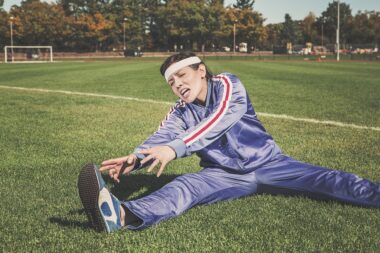
Stretching remains a fundamental component of any effective cool-down routine. It serves to lengthen muscles and maintain flexibility, assisting the body in transitioning from intense activity back to a relaxed state. Performing static stretches after workouts aids in muscle recovery and can help reduce soreness. Engaging in this practice helps to elongate muscle fibers and improve overall range of motion. Athletes should target major muscle groups, ensuring they devote time to legs, back, and arms. For optimal results, hold each stretch for 20-30 seconds. Breathe deeply during the stretches to maximize relaxation. Moreover, guided stretching sessions with trained professionals can lead to beneficial knowledge and techniques. Additionally, it is advisable to incorporate foam rolling, which can help alleviate tight muscles. Foam rollers provide self-myofascial release, effectively reducing muscle knots and enhancing flexibility. By rolling muscles, athletes can stimulate blood flow and relaxation of muscle tissue. Though stretching and foam rolling may complement one another, athletes should pay special attention to individual needs and adjust their techniques. Ultimately a dedicated focus on cooldown practices can positively influence athletic performance dramatically.
Nutrition plays a pivotal role in enhancing recovery, complementing traditional cool-down modalities like cold water immersion and stretching. Post-exercise nutrition isn’t just about refueling; it’s vital to provide your body with necessary nutrients that support recovery. Consuming a balanced intake of protein, carbohydrates, and healthy fats is critical in this phase. Protein helps rebuild damaged muscle tissue, while carbohydrates replenish depleted glycogen stores. Ideally, athletes should aim to consume a meal or snack within 30 minutes after exercise. This post-workout window allows the body to recover most effectively. Hydration is equally important, and adequate water intake helps to maintain performance and support metabolic processes. Electrolytes should also be monitored, especially for those who sweat heavily during workouts. Smoothies, whole foods, and hydration solutions can serve as excellent choices to replace lost nutrients. In addition, considering anti-inflammatory foods can be beneficial for muscle recovery. Incorporating items like berries, nuts, and leafy greens supplies antioxidants. This holistic approach maximizes the body’s repair mechanisms and promotes overall health. Athletes should develop personalized nutrition plans that align with their training regimens to ensure optimal recovery outcomes.
Breathing Techniques for Relaxation
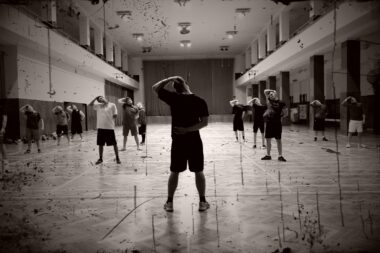
Breathing techniques are immensely beneficial for cool-down and recovery practices. They play an integral role in enhancing relaxation and reducing stress levels following intense workouts. Controlled breathing improves oxygen flow in the body, encouraging increased awareness and promoting a calming effect. This method can significantly impact recovery by enabling the body to relax mentally and physically. One popular technique is diaphragmatic breathing, which involves breathing deeply into the abdomen rather than the chest. Proper execution allows for better oxygen exchange and can help to lower heart rate and blood pressure. Spending just a few minutes practicing this technique can greatly benefit overall performance. Another approach includes using visualization during breathing exercises. By imagining serene environments, athletes can create a mental space conducive to relaxation. Integrating breathing techniques along with other cool-down modalities leads to a comprehensive recovery strategy. As athletes engage in post-workout rituals, they should consider mindfulness practices paired with breath-control exercises. This thoughtful approach aids not only physical recovery but promotes mental resilience. Ultimately, focusing on emotional and psychological well-being enhances athletic performance positively.
Contrast water therapy is a lesser-known but effective cool-down modality worth exploring. Alternating between hot and cold water immersions exposes the body to various temperature changes, creating vascular changes that enhance recovery. The process encourages better blood circulation and reduces inflammation significantly. Athletes can implement this method via alternating baths or showers. A typical session might consist of 30 seconds in cold water followed by 1-2 minutes in hot water, repeated several times. This approach stimulates blood flow and helps flush out metabolic waste products post-exercise. Research indicates that contrast therapy may also improve performance and overall satisfaction with recovery. However, it’s crucial to tailor the method according to individual comfort levels to avoid adverse reactions. Monitoring the body’s response is essential during practice. In addition, athletes should collaborate with coaches or physiotherapists when trying contrast therapy for the first time. Lastly, creating a suitable schedule and routine around therapy will promote consistency, a vital aspect of recovery. Overall, contrast water therapy offers an exciting and beneficial alternative for athletes committed to maximizing their cooldown and recovery routine.
Wrapping Up Effective Recovery Modalities
The accumulation of recovery strategies enhances athletic performance, ultimately leading to improved results. Combining modalities ensures a comprehensive approach tailored to individual needs and preferences. Cold water immersion, compression garments, stretching techniques, and nutrition should all be integrated into cooldown routines effectively. Each athlete’s body responds differently, necessitating a customized mix of cool-down methods. Observing personal responses and making adjustments is essential to optimize recovery. Additionally, aiming for consistency in employing practices will lead to long-lasting benefits. Athletes should remain open to exploring various approaches that complement their abilities and preferences. Finally, consulting with professionals in the field can provide valuable insights into best practices and emerging trends that serve recovery goals. Allocating time and effort towards cooldown routines will ultimately enhance overall athletic performance. As the sports community evolves, innovative modalities can improve conventional methods. Leveraging diverse recovery forms can redefine training outcomes, ensuring that athletes maximize their results and well-being in their sports disciplines. Embracing knowledge and enthusiasm towards exploring varied modalities leads to greater success.
Incorporating mindfulness practices, such as yoga, further enriches cooldown routines and recovery strategies. Yoga enhances flexibility, strength, and mental clarity while also reducing the risk of injury. Establishing a routine encompassing practices like yoga, stretching, cold water immersion, and breathing techniques will create a holistic approach to recovery. Attaining mastery over various recovery practices can help athletes regain a competitive edge while understanding the physiological aspects of their bodies. In summary, the significance of cooldown methods cannot be overstated as they are integral to physical and mental conditioning. Balancing physical exertion with strategies that promote recovery allows for sustainable improvement in athletic performance. By embracing different cool-down modalities, athletes take their recovery seriously, ultimately facilitating peak performance across various disciplines. Keeping abreast of ongoing research and developments may reveal new techniques to implement successfully. Customizing approaches ensures each athlete discovers their most effective methods of recovery. As part of a continual learning mindset, tracking progress will guide adaptations and provide clues to what works best. As a result, recovery becomes an empowering part of an athlete’s journey, solidifying their mission to excel in their chosen sport.