
Cross-Training Activities to Support Youth Triathlon Performance
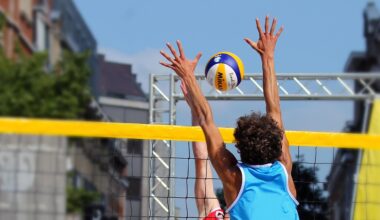
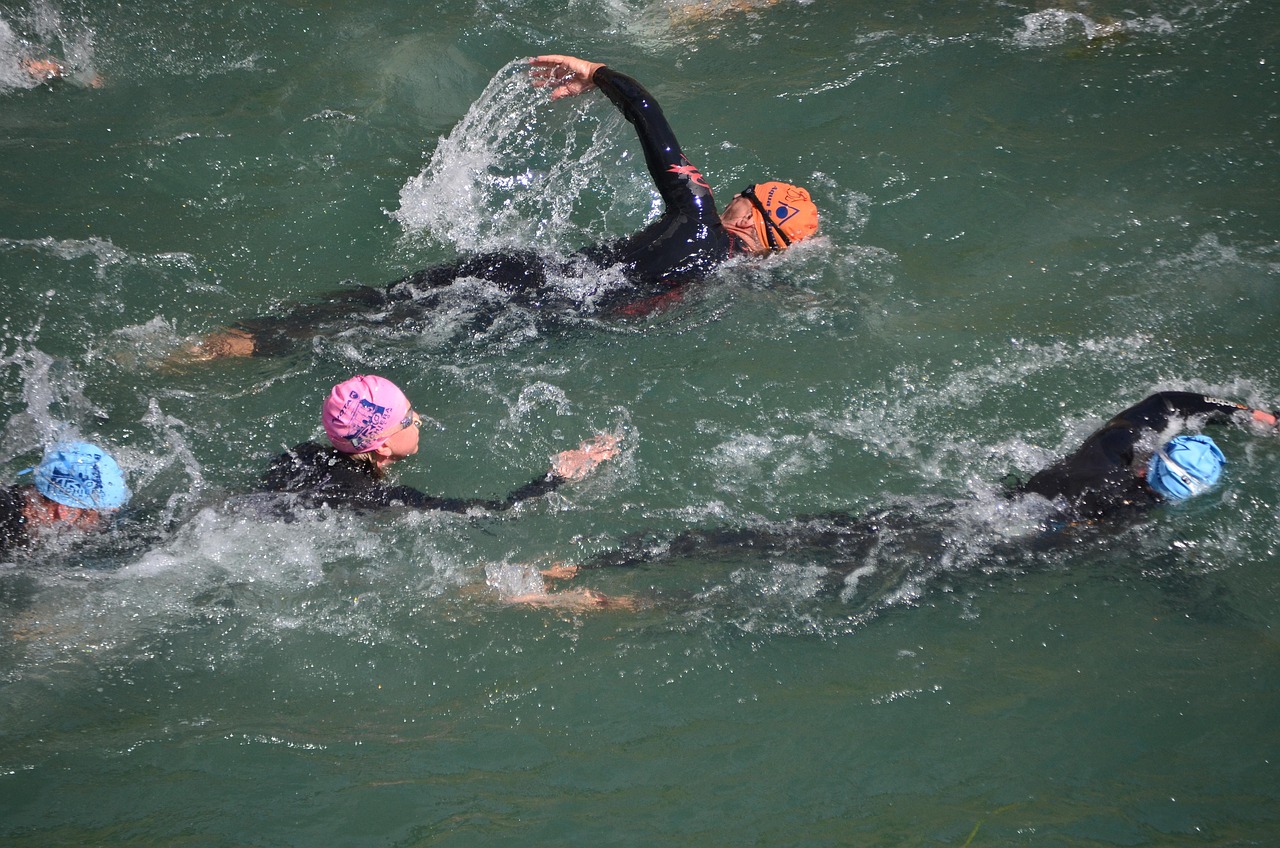
Cross-training is an essential component of a balanced triathlon training program, especially for youth athletes. Integrating various sports not only helps reduce the risk of injuries but also improves overall fitness levels. By engaging in diverse activities, young triathletes can develop strength, speed, and endurance, vital for swimming, cycling, and running. For instance, incorporating sports like soccer or basketball enhances agility and coordination. Similarly, activities such as swimming or climbing can improve upper body strength, crucial for effective stroke performance. Furthermore, cross-training can mitigate the mental fatigue that often accompanies repetitive training sessions and competition preparation. This variation keeps training exciting and motivating for young athletes. It also builds flexibility and adaptability, qualities necessary for successful triathlon competition. Finally, cross-training promotes a holistic development approach, emphasizing the importance of enjoying multiple sports, fostering a lifelong passion for physical activity. Coaches and parents should encourage youth athletes to partake in different sports that interest them. This diversity not only contributes to athletic performance in triathlon but also ensures a well-rounded development, setting the stage for a healthy lifestyle.
Additionally, strength training is an often overlooked yet vital aspect of youth triathlon training. Building muscular strength dramatically enhances performance across all three disciplines in triathlons. Youth athletes can benefit from age-appropriate strength training programs that focus on body weight exercises, resistance bands, and light weights. Exercises such as squats, lunges, and push-ups can improve power and endurance, allowing athletes to tackle longer distances more effectively. Moreover, strength training helps in maintaining proper body mechanics, reducing the risk of injuries that may occur due to fatigue over time. It’s particularly crucial as young athletes grow, often leading to muscle imbalances if not correctly addressed. Coaches can facilitate this process by incorporating strength workouts into their training regimen, ensuring they are tailored to suit each athlete’s developmental stage. Additionally, including core workouts helps improve stability during swimming, cycling, and running. The benefits of strength training do not end with athletic performance; they can foster a strong sense of accomplishment and boost confidence in youth participants. It’s imperative to keep sessions light-hearted and positive to retain interest and enjoyment.
Incorporating Flexibility Work
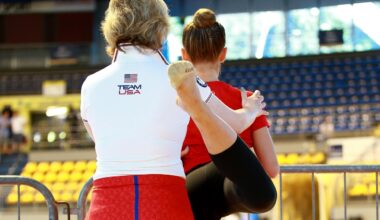
Another essential cross-training activity for youth triathletes is flexibility training. Incorporating flexibility workouts boosts recovery and enhances movement efficiency during physical activity. By introducing regular stretching and mobility exercises, athletes can improve their range of motion, which is vital for preventing injuries. Key flexibility activities include yoga and dynamic stretching, emphasizing techniques that strengthen muscles while increasing pliability. Yoga sessions not only enhance physical flexibility but also promote mental relaxation and mindfulness, which can aid in competitive scenarios. Further, engaging in regular stretching routines can increase blood flow to muscles, facilitating quicker recovery. It’s important for coaches to emphasize not just the importance of these activities, but also the enjoyment they can provide. Furthermore, incorporating fun group stretching sessions before competitions can build team camaraderie and motivate youth athletes to commit to these exercises. These benefits make flexibility training an integral part of a well-rounded youth triathlon program. Therefore, all trainers should aim to integrate flexibility-focused activities into regular practices, making them both effective and enjoyable to sustain athlete engagement and commitment.”},{
Cross-training through outdoor activities such as hiking or trail running can also significantly benefit young triathletes. These activities allow athletes to develop technical skills and endurance in varied terrains. Trail running, for example, requires agility and enhances cardiovascular fitness, significantly contributing to overall performance in running segments of triathlons. Moreover, hiking often involves variables like elevation changes, which can improve overall strength and stamina. Engaging in such adventures promotes a connection with nature, fostering a positive relationship with outdoor exercises. Young athletes can also explore social aspects by participating in group hikes or runs with friends and family. This group dynamic encourages teamwork and develops a support system, vital for competitive scenarios. Trail running and hiking also provide a break from standard training routines, allowing the athletes to maintain motivation through variety. Coaches might organize sessions to guide athletes on specific trails to help them acquire necessary navigational skills while pushing their limits in a controlled environment. An outdoor-oriented approach may inspire youth triathletes to develop a continuous passion for multisport activities long into adulthood.
The Importance of Rest and Recovery
Rest and recovery are often underestimated in youth triathlon training, but they play a pivotal role in performance. Young athletes can substantially benefit from understanding the importance of adequate recovery, both physically and mentally. Integrating active recovery days, where light activities like walking or gentle swimming take place, allows muscles to repair while still maintaining engagement. Coaches should emphasize the necessity of listening to one’s body, learning to recognize signs of fatigue, and adjusting training intensity accordingly. Additionally, proper sleep hygiene can drastically affect performance outcomes. Prioritizing quality sleep enables the body to recover effectively and improves concentration and mood, which impacts training quality. Engaging youth athletes in relaxation techniques, such as meditation or breathing exercises, can help manage stress levels and promote mental clarity. Parents can support this by ensuring a well-balanced schedule that includes sufficient downtime. Ultimately, fostering a culture of rest and recovery teaches young athletes valuable lessons about health and performance sustainability. Empowering them with this knowledge will greatly influence their approach to competition and athleticism throughout their lives.
Cross-training also allows youth triathletes to enhance their nutrition knowledge through various activities. Each sport demands different fuel types for optimal performance; thus, diversifying activities creates opportunities for athletes to understand their nutritional needs better. For example, transitioning from cycling to running requires specific carbohydrates and hydration strategies to maintain energy levels. Nutrition workshops can be integrated into training programs, teaching athletes about macronutrients and hydration protocols relevant to their activities. Moreover, incorporating communal meals after training sessions can foster a greater appreciation for shared nutrition and build team spirit. Instilling good eating habits early on lays the foundation for healthy lifestyles beyond triathlon training. Young athletes who grasp these concepts early on are better able to make informed decisions about their diets, impacting their overall performance positively. Additionally, exploring different cuisines can be a fun way to make healthy eating enjoyable and exciting. Collaborating with nutritionists to provide tailored dietary recommendations based on individual needs can greatly optimize performance. Thus, by making nutrition an integral part of cross-training, youth athletes develop expertise that will serve them well in their triathlon journeys.
Building Mental Resilience
Lastly, building mental resilience is a crucial skill for young triathletes, and cross-training provides opportunities to cultivate this attribute. Participating in diverse sports exposes athletes to various challenges and experiences, shaping their mental toughness. For example, learning to handle successes and failures in different contexts teaches them perseverance and adaptability. Coaches can facilitate this by creating a supportive environment that encourages athletes to step outside their comfort zones, whether through trying a new sport or engaging in competitive situations. This variety helps them learn to cope with the pressures and excitements of racing. Mindfulness practices integrated into training can also improve focus and confidence, allowing athletes to remain calm under pressure during events. Creating opportunities for goal-setting, both within individual sports and overall triathlon training, fosters a mindset focused on personal growth and improvement. It’s essential to reinforce that setbacks are part of the journey, encouraging athletes to view challenges as opportunities. Ultimately, skillful cross-training not only prepares youth triathletes physically but also equips them mentally to face competitions with a resilient attitude, essential for long-term success.
Conclusion
In summary, cross-training is paramount for developing well-rounded youth triathletes, enhancing performance and overall athleticism. Incorporating diverse activities such as strength and flexibility training, outdoor adventures, and mental resilience building are essential components of an effective training program. By engaging in a variety of sports, youth athletes can enjoy numerous benefits including improved strength, coordination, and recovery, while cultivating a love for lifelong fitness. Coaches and parents should prioritize cross-training strategies, providing a safe and fun environment to explore athletic pursuits. Education on nutrition and recovery practices should also be included, fostering healthier lifestyles. Ultimately, empowering young triathletes to develop skills and attributes enhance their performance in triathlons and other athletic endeavors. Through commitment to holistic approaches, youth athletes are set to grow physically, mentally, and emotionally, laying the groundwork for a successful future in sports and personal development. This focus not only aids in achieving athletic goals but reinforces the value of dedication, discipline, and teamwork. By instilling these crucial foundations in our young athletes today, we enable them to thrive in triathlons and beyond.