
Future Directions in Neurological Rehabilitation and Fitness
As the field of neurological rehabilitation evolves, innovative approaches in therapy and fitness are essential. Neurological rehabilitation focuses on assisting individuals affected by brain injuries, strokes, or neurological disorders. Key components include personalized therapy plans that address specific deficits and enhance recovery outcomes. By integrating exercise with rehabilitation, professionals aim to improve both physical and mental health. Evidence shows that physical activity can stimulate neuroplasticity, enabling the brain to adapt and rewire itself. Future directions involve leveraging technology to enhance therapy. For instance, Virtual Reality (VR) and Augmented Reality (AR) provide interactive environments for training and rehabilitation. These technologies can create simulated environments, helping patients engage in meaningful activities. Moreover, biofeedback mechanisms could enable individuals to monitor and adjust their rehabilitation efforts in real time. The combination of traditional and innovative methods stands to revolutionize recovery pathways. Specific attention will also be on community-based initiatives that promote social engagement alongside physical activity. Engaging in group exercises fosters a sense of belonging and accountability, resulting in enhanced motivation and adherence to rehabilitation programs. Consequently, this holistic view of rehabilitation can yield promising outcomes.
Integration of Technology in Rehabilitation
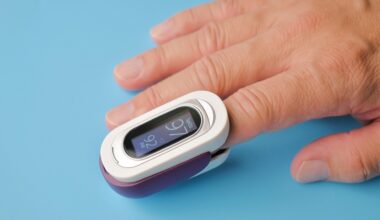
The integration of technology in neurological rehabilitation is a burgeoning field reshaping therapy practices. Wearable devices and mobile applications are increasingly utilized to monitor patient progress and facilitate personalized exercise regimens. These tools can track vital signs, movement patterns, and overall activity levels, providing crucial data to therapists and patients alike. For example, apps may offer tailored workout plans customized to an individual’s abilities, allowing for gradual progressions. Furthermore, gamification of rehabilitation exercises can significantly enhance patient engagement, transforming monotonous routines into enjoyable challenges. One notable innovation in this domain is telehealth, which enables remote consultations and therapy sessions, addressing geographical barriers to access. Telehealth expands therapy options to individuals who may not otherwise have frequent interactions with healthcare professionals. This flexibility can lead to improved consistency in therapy adherence, allowing patients to engage in their rehabilitation from home. Researchers are also investigating the role of artificial intelligence in predicting outcomes and optimizing treatment plans. By analyzing vast data sets, AI can assist clinicians in making informed decisions tailored to each patient’s unique needs. Thus, the future of rehabilitation lies in a seamless blend of technology and personalized care.
Another important area in neurological rehabilitation is the focus on neuroplasticity, which is the brain’s ability to reorganize itself. Understanding this principle opens up exciting possibilities for rehabilitation strategies. Therapists can harness neuroplasticity to create intensive and repetitive practice scenarios that challenge patients cognitively and physically. Studies indicate that interventions designed to stimulate brain areas involved in movement, memory, and cognition yield positive results. Additionally, incorporating task-oriented training into rehabilitation creates sessions that mimic daily activities. Focusing on realistic tasks empowers patients, fostering a sense of accomplishment as they progress. Exercises that replicate real-life situations improve functional independence, enabling patients to return to their daily routines. Moreover, robotic-assisted therapies offer unique opportunities for engaging patients in repetitive, resistive practice while addressing motor impairments. These systems can optimize physical training by providing adaptive assistance, enhancing recovery through consistent motor engagement. Emphasis on interdisciplinary collaboration will also play a key role in future advancements in neurological rehabilitation. Teams comprising physical therapists, occupational therapists, and psychologists can craft comprehensive care strategies that address both physical and emotional needs, resulting in holistic recovery systems. Ultimately, the focus will continue to shift towards evidence-based rehabilitation techniques.
Community Engagement and Support
Another pivotal aspect of future neurological rehabilitation is enhancing community engagement and support systems. Communities play a crucial role in the recovery of individuals overcoming neurological challenges. By fostering environments that promote inclusivity, support structures can help individuals remain active and engaged. Local exercise programs tailored for varying ability levels encourage participation and promote a culture of wellness. For instance, organizations can offer adaptive sports and fitness classes specifically designed for individuals with neurological impairments, allowing them to connect with peers. Support groups provide emotional connections, offering an avenue for sharing experiences and strategies for overcoming challenges. These gatherings can also empower individuals by celebrating milestones in their rehabilitation journey. Accessibility to fitness facilities must be prioritized, ensuring that individuals can conveniently access exercise amenities suited to their needs. Collaborative efforts between rehabilitation centers and local gyms can be beneficial in this regard. Additionally, partnerships with advocacy groups can strengthen awareness about the importance of physical activity in recovery. Advocacy initiatives can work to create policies promoting inclusiveness in public spaces, ensuring people with neurological conditions have equal opportunities for engagement. Together, community involvement and support significantly enrich rehabilitation experiences.
Research on the psychological components of rehabilitation is gaining traction, emphasizing mental well-being alongside physical healing. Addressing the psychological effects of neurological conditions is vital for comprehensive rehabilitation. Patients might experience anxiety, depression, or a loss of identity following a neurological event. Incorporating counseling and psychological support into rehabilitation programs can assist in addressing these issues. Therapists can leverage cognitive-behavioral techniques to help individuals cope with changes in their life circumstances. Mindfulness practices are also emerging as effective interventions, helping patients deal with stress and uncertainty during recovery. Moreover, social support structures can alleviate feelings of isolation, providing a network that encourages emotional resilience. The more holistic approach integrates mental health resources within rehabilitation frameworks to enhance outcomes. Addressing mental health can improve motivation and adherence to therapy, thereby increasing overall effectiveness. Future rehabilitation models must prioritize mental well-being, integrating these components seamlessly with physical treatment strategies. Training therapists to recognize the psychological impacts of neurological conditions can facilitate early interventions, optimizing recovery pathways for patients. Thus, promoting mental health as a foundational element in rehabilitation is essential for comprehensive care.
Personalized Approaches to Rehabilitation
Future trends in neurological rehabilitation will increasingly emphasize personalized approaches tailored to individual needs, circumstances, and preferences. Each patient’s experience with neurological injury or illness is unique, requiring targeted interventions that address specific deficits. Personalized assessments can identify strengths and weaknesses, guiding the development of custom rehabilitation plans. The goal is to create interventions that resonate with patients, fostering motivation while enhancing effectiveness. Additionally, patient involvement in the goal-setting process can significantly impact their commitment to therapy. When individuals actively participate in outlining their rehabilitation objectives, they gain ownership of their recovery journey. This empowerment can lead to better outcomes as patients become more diligent in adhering to treatment protocols. Clinical research supports the efficacy of personalized therapy, showing that individualized interventions lead to greater improvements compared to standardized programs. Rehab specialists can utilize advanced assessment tools and technologies to monitor progress accurately and adjust plans accordingly. Furthermore, families and caregivers must be engaged in the rehabilitation process. Their involvement ensures a supportive environment which reinforces the importance of treatment at home, contributing positively to outcomes. A patient-centered approach will be paramount in the advancement of neurological rehabilitation.
As neurological rehabilitation continues to advance, the integration of fitness is becoming increasingly crucial. Focusing solely on recovery is insufficient; incorporating fitness into rehabilitation plans can significantly enhance results and promote overall well-being. Regular physical activity can mitigate secondary complications often associated with neurological impairments, such as obesity, cardiovascular issues, and musculoskeletal problems. Moreover, tailored fitness programs can foster lifelong habits of health and wellness. Engaging in regular exercise helps strengthen the body and the mind, promoting mental health and cognitive function. Collaboration between rehabilitation professionals and fitness trainers can lead to better-designed programs that address unique needs and ensure safety. Developing a continuum of care from rehabilitation to community-based fitness is also essential, as it provides ongoing support for individuals post-rehabilitation. Furthermore, educational efforts that emphasize the benefits of fitness for neurological health can help shift public perception regarding exercise after injury. Increased awareness can facilitate wider participation in fitness programs designed for individuals with neurological conditions. The ongoing relationship between rehabilitation and fitness will likely foster improved quality of life, enabling individuals to thrive. Therefore, prioritizing fitness within rehabilitation models is key to future advancements.
Conclusion and Path Forward
In conclusion, the future of neurological rehabilitation is centered on innovation, personalization, and holistic care. As advancements in technology offer new solutions, rehabilitation professionals will need to adapt and incorporate these developments into their practices. The emphasis on neuroplasticity, community support, and personalized care will transform rehabilitation experiences, bringing renewed hope and possibilities. By addressing both physical and psychological aspects of recovery, we can establish more effective strategies. The role of fitness in rehabilitation cannot be overstated; it must be viewed as an essential component rather than an add-on. Research and practice will increasingly highlight how regular physical activity supports recovery, encouraging individuals to embrace healthier lifestyles. Collaborative efforts between healthcare providers, community services, and fitness professionals will ensure comprehensive and sustainable support systems. As we explore new techniques, ongoing evaluation and refinement will be essential to optimize care practices and outcomes. Ultimately, a unified approach towards rehabilitation and fitness has the potential to empower individuals and enrich their quality of life. This journey will require collective commitment to innovation, compassion, and ongoing education in the field.