
How Competitive Spirit Influences Triathlon Motivation
In triathlon training, motivation plays a crucial role in achieving performance goals. Many athletes find that a strong competitive spirit can serve as a significant motivational driver. This intrinsic motivation often emerges from the desire to excel against personal benchmarks or rivals. Competitive spirit fosters resilience and determination, encouraging athletes to push their limits in intense training sessions. In essence, each race or training benchmark can ignite a fire within, prompting athletes not only to compete but to surpass their own expectations. Setting specific goals dovetails with this spirit, as these objectives provide clear paths to attaining higher performance levels. Competitors often inspire one another, forming a social network that promotes accountability, enthusiasm, and progression. This dynamic environment, nurturing both camaraderie and rivalry, enhances overall commitment and focus. Moreover, the motivational energy derived from competition helps to maintain a positive mindset, even when faced with setbacks. As triathletes navigate the challenges of training and racing, a competitive spirit acts as a catalyst, driving them to adapt and improve. This synergy between competition and motivation is integral to successful training outcomes, leading to both personal and collective achievements.
Understanding the psychology behind competitive motivation can provide valuable insights. Athletes often learn to channel their competitive drive toward goal achievement. An important aspect is the recognition that motivation can be situational; it often fluctuates based on various factors. For instance, the presence of competitors can enhance a triathlete’s focus and performance level, sharpening their drive to achieve personal bests. Many athletes find that healthy competition encourages them to train harder and smarter, thus improving their skills and race times. Recognizing this interplay between competition and motivation can have profound implications in a triathlete’s training regimen. Furthermore, visualizing opponents and success can further induce a heightened state of readiness. Goal setting often complements this competitive motivation, as it allows athletes to measure their progress against defined benchmarks. Ultimately, both internal and external competitive stimuli create an environment conducive to personal growth. A racer’s ambition, enhanced by the presence of fellow athletes, leads to fruitful training sessions and milestone achievements. This synergy can foster a deeper commitment to the sport, leading to richer experiences and enhanced performance outcomes in triathlons.
The Role of Accountability
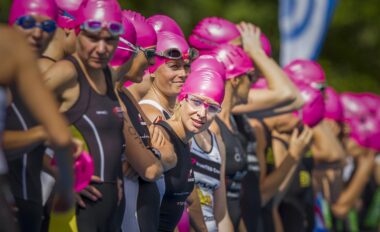
Accountability is vital in contextualizing the competitive spirit in triathlon training. Having training partners or coaches helps athletes stay committed to their goals. When pursuing competitive aspirations, individuals are more likely to adhere to their training schedules and effort levels, especially when they know others are watching. This external accountability can magnify motivation, as athletes recognize that their progress impacts the training of others. Moreover, competition fosters an environment where mutual support and respect can flourish. Athletes often cheer each other on, creating a sense of community that nurtures motivation. Tracking progress, sharing experiences, and celebrating milestones become shared activities. This shared journey often reinvigorates purpose and dedication to training. A unified team spirit can transform individual aspirations into collective achievements, making training more enjoyable and less daunting. As training progresses, athletes develop a stronger bond both with themselves and their teammates, reinforcing their motivation to work harder. Consequently, achieving personal and team goals becomes a shared triumph, thus enhancing motivation while fostering friendships that extend beyond the sport arena.
Furthermore, competition can fundamentally transform how athletes approach their training routine. Gamifying elements in workouts through competitions with others encourages not only heightened motivation but also creativity in training. Simple challenges, such as time trials or distance milestones, can become benchmarks for personal growth and breakthroughs. The outcome not only relies on individual effort but captures collective energy, motivating each athlete to aspire for more. This heightened competitive engagement ultimately aids in instilling both mental and emotional resilience, which is paramount in enduring the rigors of triathlon training. Athletes are less likely to succumb to complacency because the prospect of competition creates urgency. In this evolving landscape, motivation is expressed through both tangible results and intangible rewards. The path to achieving goals becomes a motivator itself, where the thrill of competing keeps excitement alive. Consequently, the competitive spirit thrives in this atmosphere, further prompting athletes to invest effort and time into their training. Understanding this dynamic facilitates personal growth within the sport, leading athletes to achieve not just race day success but also long-term improvement throughout their training journey.
Building Mental Toughness
Mental toughness is another area where a competitive spirit makes strides in triathlon training. Triathlons inherently test athletes’ mental and physical limits. Athletes who nurture a competitive mindset often develop resilience to combat challenges experienced during training runs, swims, and cycles. Goals serve as guidelines and reminders of the end destination, thus enhancing athletes’ determination during difficult moments. This deeper mental fortitude often emerges through experiences faced in competitive settings. Overcoming barriers, setbacks, and fatigue enables triathletes to strengthen their resolve. The dynamic nature of competition prompts athletes to work harder, ensuring that they develop a stronger mental state in the process. Embracing discomfort becomes part of the training package. Moreover, in the thick of a race, the drive to outpace competitors can give athletes the additional push they need to finish strong. Triathletes soon discover that mental toughness compensates for waning physical strength during fatigued moments. As a result, individuals often push through boundaries they never thought possible. This mindset becomes ingrained within their training philosophy, leading to continued improvement and victory.
Additionally, the competitive spirit drives athletes to innovate their training strategies. As triathletes assess their competitors, they continuously evaluate their performance, ensuring that they focus on areas that need improvement. This proactive approach propels athletes to seek out new training techniques, dietary adjustments, and recovery practices. Athletes are often compelled to look beyond traditional training methods and embrace diverse practices. Whether it involves incorporating strength training, experimenting with nutritional plans, or refining swim techniques, a competitive ethos pushes triathletes to explore and enhance. This willingness to adapt and evolve keeps training fresh and engaging. Ultimately, competitors serve as benchmarks for self-improvement. Embracing feedback from peers yields valuable insights that can be instrumental in optimizing performance. Thus, a competitive spirit motivates athletes to champion their pursuits actively. Triathletes often find themselves trialing various methods, discovering what works best for them, thus enhancing overall race readiness. This aspect of training ensures that athletes remain committed to their journey, helping them achieve sustained motivation throughout their triathlon careers.
Embracing Community Support
A supportive community is crucial for nurturing competitive spirit and motivation in triathlon training. The camaraderie that forms among athletes enhances the overall experience and sustains motivation levels. When triathletes train together, they share challenges, setbacks, and victories, fostering a mutually encouraging environment. This support system creates a proactive atmosphere where individuals can push each other beyond their perceived limits. Engaging in group training or local competitions often results in friendships and networks that can provide ongoing motivation. Triathletes are more likely to train consistently when they feel a sense of belonging. They also receive encouragement, advice, and support from fellow athletes who understand the struggles of training. This atmosphere helps to avert burnout and fatigue, which are common in endurance sports. Furthermore, participating in community events solidifies an athlete’s commitment to their training goals. Achievements celebrated with others reinforce motivation. When camaraderie combines with competition, athletes find themselves more driven than ever, knowing they have a network behind them. Thus, the sense of community transforms the triathlon training experience into a shared adventure that leads to sustained motivation and long-lasting success.
Ultimately, integrating competitive spirit into triathlon training is integral in achieving personal and athletic goals. Athletes find motivation not only through personal ambition but also through the dynamics of community, accountability, and competitive environments. This intricate blend enhances personal performance and fosters a supportive framework where athletes encourage one another. Mental fortitude, innovation, resourcefulness, and community engagement become byproducts of embracing the competitive spirit. The relationships and experiences cultivated through competition yield essential life skills that extend beyond the racecourse. This multifaceted involvement contributes to an athlete’s holistic growth, ensuring that triathletes develop a well-rounded approach to training. Understanding how competitive spirit intersects with motivation allows athletes to navigate the complexities inherent in triathlon training. The journey towards becoming a better athlete involves constant self-discovery and the recognition that competition can spark renewed passion and energy in training. In conclusion, the relationship between competitive spirit and motivation remains foundational in the quest for improvement, camaraderie, and success within the triathlon community.