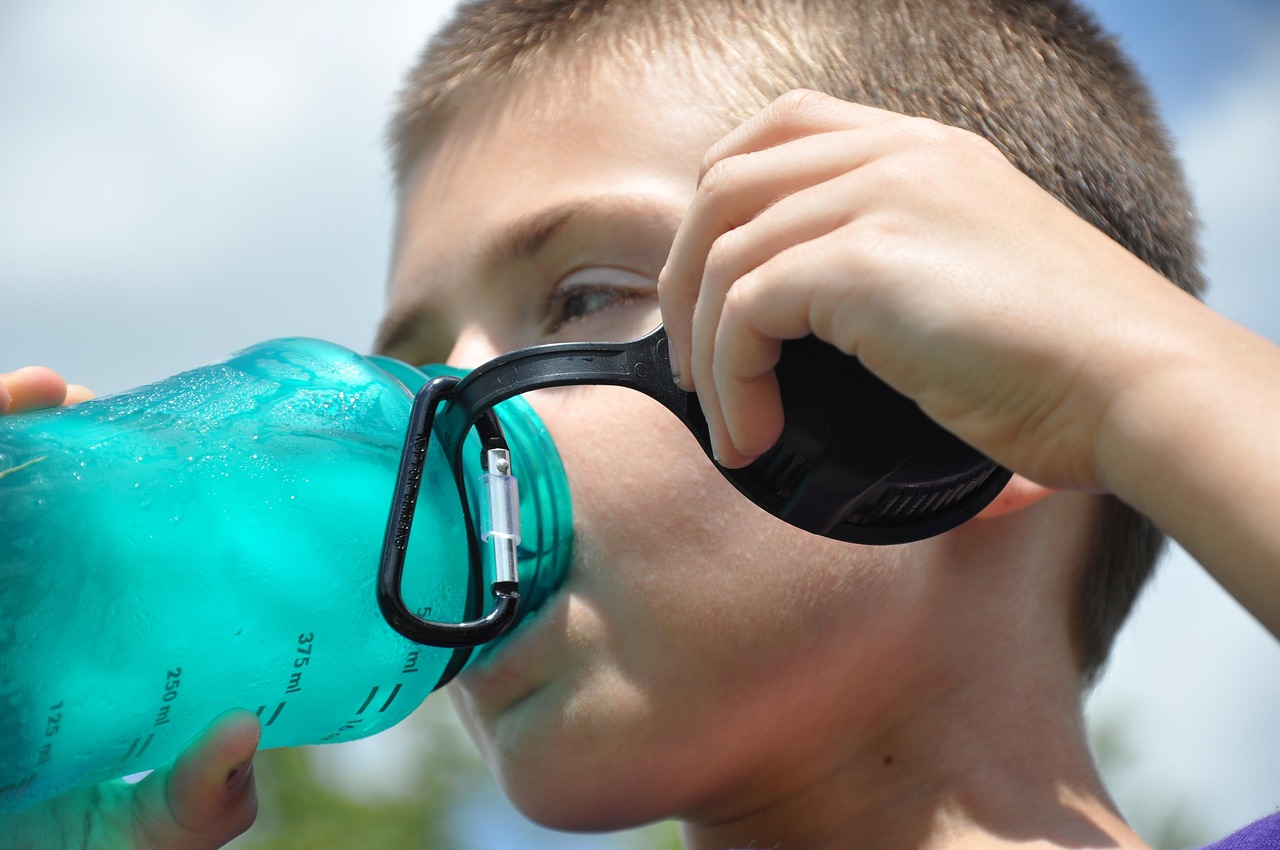

Hydration Impact on Muscle Cramping During Endurance Sports
Hydration plays a crucial role in athletic performance, especially in endurance sports where prolonged physical activities can lead to dehydration. Understanding the relationship between hydration and muscle cramping is essential for athletes striving to perform optimally. During strenuous activities, physical exertion increases sweat production, causing fluid loss that, if unaddressed, can result in compromised muscular function. Research indicates that dehydration contributes to muscle cramps, which can be painful and performance-limiting. Athletes must manage their fluid intake effectively prior to and during activities to minimize these risks. Staying ahead in hydration involves planning, particularly for endurance events lasting several hours. Strategies include drinking to thirst versus scheduled drinking, which vary in effectiveness for different individuals. Electrolyte balance is important too; sodium, potassium, and magnesium are key players in maintaining muscle function. In addition, each athlete’s hydration strategy may differ based on pre-exercise hydration levels, environmental conditions, and individual sweat rates. Thus, a personalized approach to hydration before, during, and after endurance activities is vital to prevent muscle cramping and enhance overall athletic performance.
The Science Behind Hydration
When it comes to hydration, understanding the science behind how fluids affect muscle function is crucial. Water intake significantly influences various physiological processes in the body. Research reveals that dehydration above 2% of body weight can impair performance and increase the likelihood of cramps. As athletes sweat, significant amounts of electrolytes are lost alongside fluids, making it necessary to replace not just water but also vital minerals. Maintaining optimal hydration helps sustain blood volume and circulation, which are essential for muscle function. To avoid cramping, it’s recommended to consume beverages containing electrolytes before and after endurance training sessions. Plain water may not always suffice, especially during extended physical exertion in hot environments. Signs of dehydration can be subtle, such as fatigue or decreased performance. Therefore, preemptive hydration strategies are essential for endurance athletes. Athletes should also be aware of individual sweat rates and adjust their hydration methods accordingly. Conducting tests during training can determine fluid needs more accurately, facilitating a more tailored approach to hydration that can diminish cramping risks significantly.
Another fundamental aspect of hydration in relation to muscle cramping is understanding the timing and frequency of fluid intake. Athletes often wonder when is the right time to hydrate effectively. Ideally, hydration should start well before the event; this means athletes need to drink sufficiently during training sessions, focusing on getting into a hydration routine. During actual endurance events, prefueling with small sips often is better than consuming a large amount of fluid all at once. This prevents the disruptive feeling of a full stomach that can occur if too much fluid is ingested quickly. Post-exercise hydration also matters; rehydrating adequately can hasten recovery and prepare muscles for subsequent exertions. Some athletes benefit from consuming sports drinks; they offer both hydration and electrolyte replenishment. However, a balanced approach is critical, as excessive consumption of sugary drinks may lead to gastrointestinal issues. Monitoring body weight before and after training can inform athletes about fluid needs and highlight potential dehydration. A custom hydration plan tailored to individual needs can significantly reduce the chances of cramps occurring during high-endurance events.
Impact of Environmental Conditions
Environmental conditions play a significant role in the effectiveness of hydration strategies for endurance sports. Heat is a notorious enemy of hydration, as higher temperatures lead to increased rates of sweating. An increase in temperature can exacerbate the risk of dehydration. Athletes struggling in hot conditions may find it more challenging to maintain the necessary fluid levels for muscle function. Relative humidity also affects sweat evaporation and thus plays a role in hydration needs. In hot and humid climates, heavy sweating can lead to rapid fluid loss, necessitating enhanced hydration strategies. Courses or events held in challenging climates require pre-event education on hydration. Cooler conditions, while less alarming, are not devoid of hydration needs; dehydration can still occur, albeit less noticeably. Athletes often forget to hydrate adequately in cooler weather due to reduced perceived thirst. An effective strategy involves regular checks on hydration throughout training regardless of the environmental conditions. During training in different climates, athletes must experiment with hydration methods to ensure optimal performance while avoiding the pitfalls of muscle cramping in any scenario.
Hydration choices also impact performance during endurance sports, especially concerning muscle cramping. Various hydration options, including water, sports drinks, and electrolyte supplements, each have their place in an athlete’s regimen. For instance, electrolyte drinks are formulated to help replace minerals lost through sweat more effectively than plain water can. During longer events, sports drinks may provide an additional energy boost alongside hydration, beneficial for maintaining endurance levels. At the same time, personal preferences should be taken into account when selecting hydration products, as flavors and ingredients can affect fluid intake. Athletes must also consider gastrointestinal tolerance; some options may lead to upset stomachs if consumed excessively or too quickly. Understanding the body’s response to different drinks is key, allowing athletes to optimize their hydration choices effectively. Increasing fluid intake pre-exercise can significantly enhance performance capacity while minimizing cramping. Moreover, effective hydration strategies should also include recognizing the signs of dehydration early and adjusting fluid intake appropriately. Athletes trained in various beverages will become better equipped to manage hydration challenges during competitive events.
Conclusion: Effective Hydration Strategies
To summarize, effective hydration strategies play a pivotal role in preventing muscle cramping during endurance sports. Prioritizing hydration can enhance athletic performance by keeping muscle function at optimal levels. Personalized hydration plans that consider factors like individual sweat rates, exercise duration, and environmental conditions are essential. Continuous monitoring of hydration status through weight changes or visual symptoms can also guide athletes on fluid intake adjustments. Overall, a multi-faceted approach involving proper timing, fluid types, and additional electrolytes greatly reduces the likelihood of cramps. Athletes should seek to incorporate electrolyte-rich beverages into their hydration plans, especially during prolonged activities. This approach ensures that not only are fluids replaced, but crucial minerals are restored to maintain muscle function. Furthermore, engaging with coaches or sports nutritionists to design a hydration protocol can significantly enhance the chances of success. Educating athletes on the potential signs of dehydration and muscle cramping during training will empower them to react proactively. Remember, staying hydrated is not just about drinking enough fluids; it’s about ensuring that the right fluids are consumed at the right times to optimize performance and minimize discomfort.
Finally, athletes should share their hydration journeys and strategies within their communities. This exchange can foster better hydration practices among peers and contribute to a culture of wellness in sports. As endurance sports continue to grow, awareness around hydration will enhance participation and enjoyment for athletes at all levels. New research will likely continue to bring clarity to the water versus electrolyte beverage debate. Engaging in continuous education on hydration will allow athletes to adapt their strategies as performance science evolves. Collecting data on hydration effectiveness can lead to community-driven solutions for common problems like cramping. Every athlete’s journey is unique, and so too should their hydration practices be tailored. Whether through blogs, forums, or workshops, sharing this knowledge ensures a more informed athletic community. In turn, enhancing performance by applying these strategies can lead to improved results and satisfaction during competitions. As athletes navigate their hydration paths, they must remain flexible and open to change, learning what works best as they strive to excel within their respective endurance sports.