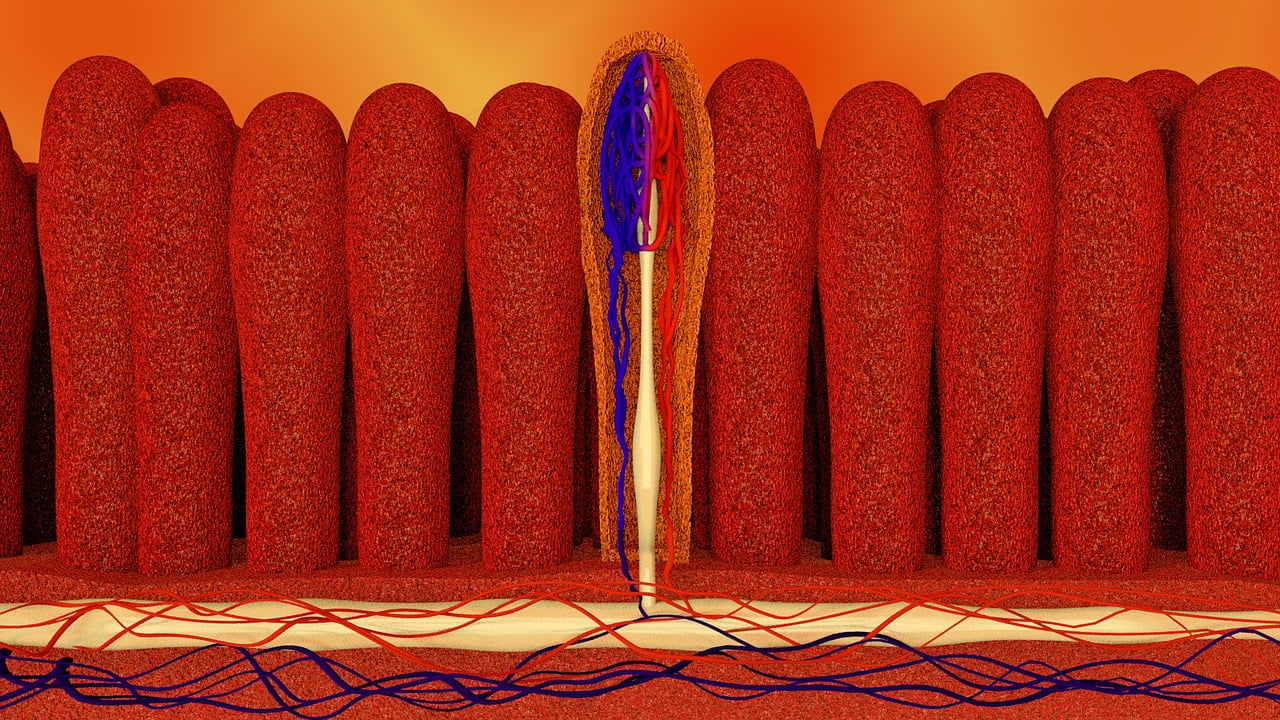

Impact of Exercise on Gut Microbiota and Obesity Regulation
Exercise has a profound impact on human health, particularly in managing obesity and regulating gut microbiota. Engaging in regular physical activity not only promotes weight loss but also influences the diverse community of microorganisms residing in our intestines. These gut bacteria play a crucial role in digestion, metabolism, and overall health. Studies suggest that exercise can enhance the diversity and abundance of beneficial gut bacteria, which may help in obesity management. For instance, habitual physical activity has been associated with increased populations of specific bacteria that’re linked to energy regulation and fat storage. This interaction is significant, as a balanced gut microbiome can lead to improved metabolic processes and fat absorption. Furthermore, the relationship between exercise, gut health, and obesity is becoming a field of interest with exciting implications for public health. The exercise-induced changes in gut microbiota could serve as a targeted approach to prevent obesity and related conditions. Continued research is essential for understanding the mechanisms through which exercise modulates gut populations, ultimately contributing to more effective obesity intervention strategies.
The Role of Gut Microbiota in Obesity
Gut microbiota comprises trillions of microorganisms, influencing various physiological functions. They are crucial in the maturation and functionality of our immune system and are vital contributors to metabolic health. Research highlights that an imbalance, termed dysbiosis, in gut bacteria is often observed in obese individuals. This imbalance can promote inflammation and disrupt energy homeostasis, leading to increased fat storage. Notably, specific bacterial families have been identified as potential indicators of obesity. Modulating gut microbiota through diet and exercise could offer therapeutic pathways to counterbalance these effects. While many factors influence gut health, physical activity remains a key aspect. Exercise is believed to drive metabolic pathways that cultivate a healthier gut profile. Scientists have noted shifts in gut composition following exercise regimens, demonstrating a potential for active individuals to maintain healthier microbiomes. Yet, the intricacies of this relationship demand further study to establish clearer links. Future research should delve deeper into how these microbial shifts affect weight loss and metabolic responses during and post-exercise. Understanding these dynamics could pave the way for innovative obesity treatments.
The ways exercise enhances gut microbiota diversity are multifaceted, with both direct and indirect mechanisms involved. Physical activity itself stimulates changes in the gut environment, fostering conditions conducive to the growth of beneficial bacteria. For instance, increased gut motility ensures that food and waste move efficiently, providing a dynamic environment for microbial activity. Additionally, physical activity can reduce stress and inflammation, both of which negatively impact gut health. Integrating aerobic exercises, strength training, and flexibility exercises may target different aspects of gut health, potentially leading to improved adherence and outcomes. Moreover, dietary choices in conjunction with exercise may compound these effects, as certain foods like prebiotics and probiotics further support gut microbiome diversity. Collective efforts in exercise and nutrition can instigate significant shifts in microbial communities offering protective benefits against obesity. Furthermore, maintaining a healthy lifestyle fosters better psychological wellness, contributing positively to dietary choices which ultimately supports gut health. Therefore, a holistic approach considering physical activity and nutritional interventions will be crucial in combatting obesity and promoting long-term health outcomes.
Research indicates that not only the type of exercise but also its intensity and duration can affect gut microbiota composition. Studies have shown that moderate to vigorous activity may yield more substantial benefits for gut health compared to low-intensity exercises. High-intensity interval training (HIIT) has also garnered attention, as it appears to significantly alter gut microbiota favorably. Specific microbial strains associated with improved metabolic health may proliferate following regular HIIT sessions. This indicates that exercise intensity can play a pivotal role in mediating beneficial microbial shifts. Additionally, duration of exercise contributes to these changes; consistent training over weeks or months is required to attain enduring transformations in gut microbiome composition. Likewise, physical activity levels at different life stages and their correlation with gut health merit in-depth exploration. For the elderly population, for example, enhanced mobility and structured exercises could counteract obesity while promoting stronger gut health. Long-term observational studies would be vital for understanding how sustained exercise affects gut bacterial populations across various demographics.
Given the intricate links between exercise, gut microbiota, and obesity, creating tailored interventions may lead to effective obesity management solutions. Fitness professionals can play a critical role by designing exercise programs that consider individual preferences and health conditions. By customizing routines that not only challenge participants but also align with their physical capabilities, adherence can be significantly increased. Incorporating social elements, like group classes or community events, could provide additional motivation to engage in physical activities consistently. Furthermore, public health campaigns emphasizing the importance of exercise in regulating gut health can raise awareness about its benefits. Promoting community resources, such as walking trails or fitness centers, can foster a culture of physical activity. Holistic healthcare providers can also integrate exercise recommendations into obesity treatment plans, coupling them with nutritional advice and regular check-ins. The collaborative effort between fitness experts and healthcare practitioners establishes opportunities for greater impact while providing ongoing support. Engaging with stakeholders across fitness and health sectors ensures that effective strategies are employed for promoting healthier lifestyles attributed to improved gut function through exercise.
Future Perspectives on Exercise and Gut Health
Future research exploring the role of exercise in gut microbiota regulation holds immense potential. Strikingly, diverse methodologies, ranging from clinical trials to observational studies, can polish our understanding of the exercise-gut-health nexus. An area of increasing relevance is the exploration of personalized exercise programs based on microbiota profiling, which can cater to individual metabolic states. Genetic studies can identify pathways by which exercise exerts its beneficial effects on gut microbiota, offering targetable approaches in obesity treatments. Researchers are also looking into the impact of various exercise modalities on different age groups to determine optimal strategies. By addressing these knowledge gaps, we will enrich the current models of obesity management through exercise. Additionally, interdisciplinary collaborations between nutritionists, exercise physiologists, and microbiologists will foster innovative applications for clinical settings. New technologies, such as wearable fitness trackers and microbiome analysis kits, can facilitate real-time data monitoring, optimizing health interventions. Ultimately, the goal is to utilize our evolving understanding of exercise’s effects on gut microbiota to formulate actionable guidelines and empower individuals toward a healthier future, free from obesity’s challenges.
In conclusion, the relationship between exercise, gut microbiota, and obesity is complex yet promising. As our insights deepen, it becomes increasingly evident that physical activity is not just vital for physical health but also pivotal for maintaining a balanced gut microbiome. Strategies incorporating regular exercise may offer a proactive approach to combating obesity through enhancing gut health. Promoting awareness about the linkages between lifestyle choices and microbial composition can inspire individuals to adopt healthier habits. Furthermore, leveraging community resources and expert guidance can provide strong support structures, enabling effective lifestyle modifications. Exercise, coupled with nutritional interventions, can yield synergies benefiting gut health and, consequently, obesity management. Future investigations will undoubtedly deepen our understanding, revealing new pathways toward personalized health strategies. A collective focus on physical activity as a crucial element of obesity reduction can transform public health outlooks. Ultimately, nurturing healthier gut microbiomes through consistent exercise not only has implications for weight control but also enhances overall well-being, potentially improving quality of life for countless individuals.