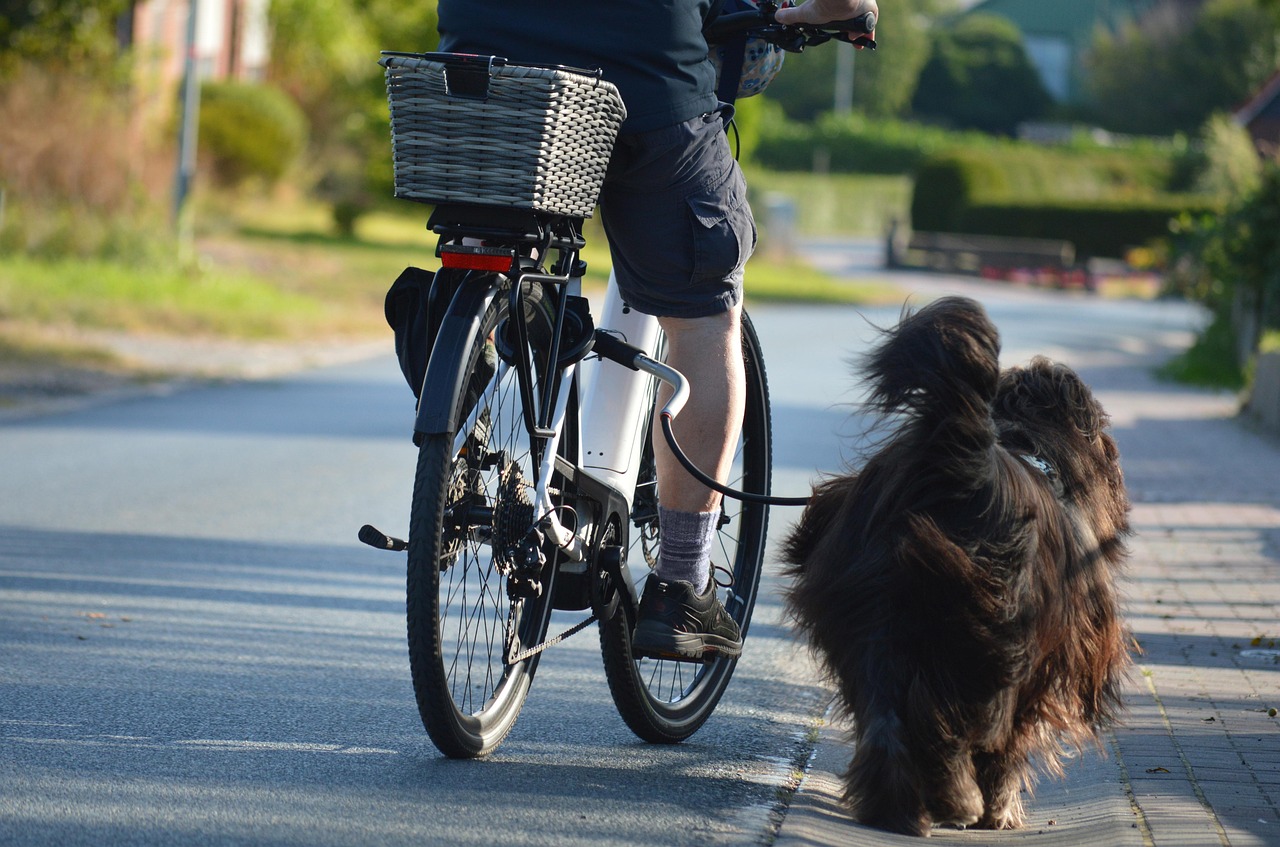

Introducing Your Pet to the Bike: A Step-by-Step Guide
Introducing your beloved pet to cycling can be an exciting adventure for both you and your furry friend. Begin by ensuring that your pet is comfortable being around your bike. Start by simply spending time together in a safe environment while the bike is stationary. Allow your pet to sniff and investigate the bike without any pressure. Offer treats during this exploration phase to create a positive association with the bike. Gradually, introduce the idea of movements by gently rolling the bike forward or backward just a few inches. Keep a watchful eye on your pet’s response, as comfort is crucial during this phase. If your pet seems anxious, take a step back and allow it to acclimate further. Use a leash to maintain control and safety. Don’t rush the process; giving your pet lots of patience and love sets the tone for successful biking adventures ahead. Combining play with learning helps reinforce the idea that cycling is part of your routine. Once comfortable, establish short sessions for biking together, ensuring safety and enjoyment throughout the experience.
Before embarking on your cycling journey with your pet, it’s essential to ensure both of you are adequately prepared. Safety must always come first, so equip yourself with the right gear. Consider investing in a proper pet carrier for your bike if your pet is small. Authorities recommend looking for designs that secure the pet and provide ample ventilation. For medium or larger pets, a sturdy pet trailer can be a much safer alternative. When in doubt, harness your pet before any ride to prevent escapes. Additionally, a well-fitted collar with an identification tag is important for safety. Check your bike’s brakes, tires, and overall condition to avoid any unexpected breakdowns on the road. Don’t forget your safety gear! Wearing a helmet is crucial for yourself, while your pet might also benefit from a protective harness. Consider taking a few rides without your pet to familiarize yourself with the dynamics of biking. Also, practice emergency stops and other vital maneuvers to ensure a smooth ride. These preparations help ensure every outing is not only enjoyable but also safe for you and your furry companion.
Creating Positive Habits
Building good habits early on is critical when cycling with your pet. Make the experience enjoyable for them; this will lead to a more serene ride for both of you. Start by choosing safe locations, such as parks or quiet neighborhoods, that allow you to ride with minimal interruptions. During rides, monitor your pet’s energy levels. Remember to take frequent breaks allowing your pet to drink water and cool off as needed. Do not ignore signs of fatigue; remember that each pet’s stamina differs. Introducing cycling routines in a non-intimidating manner will help your pet adjust over time. Incorporate short and frequent rides, gradually increasing the duration as your pet gets more comfortable. Establish consistent times for your cycling sessions, creating familiarity and security for your pet. You can also reward them with treats or praise after successful rides. This technique reinforces the idea that biking together is a fun activity. An encouraged pet is likely to develop a love for biking, eager to join you on every adventure. Each ride strengthens the bond between you and your pet!
In addition to creating positive habits, it is crucial to teach commands that keep everyone safe during biking sessions. Basic commands such as ‘stop’ or ‘slow’ should be consistent and well-practiced. Begin training your pet away from the bike, rewarding them for commands successfully followed. Practicing these commands while stationary returns the focus to the essentials, enhancing concentration. Gradually incorporate these commands while in motion, rewarding obedience with treats or verbal praise. This practice not only builds trust and understanding between you and your pet, but it also enhances safety while on the road. As you ride together, consider implementing simple cues to assist communication effortlessly. Command associations help your pet anticipate your actions during rides. For instance, practice stopping at obstacles or slowing down for corners. Consistency is vital; applying the same commands over time ensures effective communication. Additionally, pay attention to your pet’s body language; subtle cues can indicate discomfort or anxiety. Understanding your pet’s needs will empower both of you, ensuring every cycling experience is enjoyable and fulfilling for both. Mutual respect is vital in this shared adventure!
Assessing Your Pet’s Readiness
Before taking any cycling adventure, assessing your pet’s readiness is essential. Not all pets are suited for biking, and understanding their limits guarantees safety while cycling. Every pet should be in good health; consider visiting your veterinarian for a check-up beforehand. Your vet can provide crucial insights about your pet’s ability to enjoy such activities based on its age, weight, and health concerns. Puppies, for example, may not be adequately matured for longer rides or strenuous activities. Similarly, older pets require special considerations with extra attention to their physical limitations. Start by observing how your pet interacts with other animals or busy environments. Sensitivity to noise and distraction can affect their behavior during rides. A positive attitude toward being outside ensures a happier experience overall. If you notice signs of excessive stress or anxiety when cycling, it might be wise to reconsider biking with them until they adjust. Remember to continue assessing your pet’s suitability at various stages as it matures. Safety for you and your pet is essential; determine whether cycling is genuinely the right fit for both of you.
Apart from assessing readiness, it’s equally important to ensure your pet is physically fit enough to handle cycling. Regular exercise is crucial to their health and prepares them for the activity. In the weeks leading up to your biking adventures, establish a consistent walking or jogging routine. Gradually increase their exercise duration to build stamina and endurance. This helps your pet become accustomed to longer outings, ensuring better performance during rides. Incorporating essential play helps maintain motivation through engaging activities like fetch or obstacle courses. Alternate exercise methods keep things fun and enjoyable, reducing boredom. Watch your pet closely for signs of exhaustion or discomfort during these exercises. Each pet has its distinct needs; make adjustments to their routines based on their individual health. Moreover, be aware of environmental conditions which can impose further challenges on your pet; extreme heat or cold can severely impact their ability to enjoy cycling. Keeping your pet in pristine physical condition is a crucial factor in successful cycling experiences, facilitating shared enjoyment for both of you on every ride!
Safety First!
Engaging in cycling with your pet necessitates prioritizing safety. Always explore routes that avoid heavy traffic and hazardous conditions. Research paths to ensure they are pet-friendly and offer pleasant surroundings for both of you to enjoy. Familiarize your biking route beforehand to uncover any possible obstacles, developing strategies to respond adequately during your rides. Carrying necessary supplies proves vital, so pack a pet first aid kit, ample water, and snacks to maintain energy levels throughout your journey. Additionally, establish proper signals to communicate effectively during rides. Lighting up your bike with headlights and reflectors increases visibility, especially when riding in low-light conditions. Adorning your furry friend with reflective gear boosts their safety. Monitor weather conditions before every ride; adverse weather can change the dynamics drastically. If resistance arises, do not hesitate to adjust plans accordingly. Regular checks of your pet’s collar or harness is essential, ensuring their comfort and security during each outing. Working together through all such preparations prepares both of you to tackle challenges with confidence. A safe environment encourages enjoyable and memorable experiences, creating lasting memories for both of you.
The journey of cycling with your pet is a rewarding experience filled with excitement and growth. Regular practice enriches your bond, enhancing both of your enjoyment. You are not just providing physical stimulation for your pet, but also cultivating mental engagement through shared adventures. Engage with nature as you explore trails and parks together, all while enriching your lives through dynamic experiences. Canines, in particular, thrive in these interactive environments discovering new scents and sights. With patience and persistence, your pet will come to love cycling as a joyful activity. Countless exciting explorations await as you both grow accustomed to each other’s rhythm. Make the most of every ride through meaningful interactions. Capture the memories by taking photographs during your adventures; these moments become cherished memories. As both of you advance in your cycling journey, continuously invest time into developing your pet’s skills and comfort levels. With these considerations in mind, cycling with your pet becomes a vibrant part of everyday life. Create an outlook of excitement for new experiences. Through your guidance, every ride can grow into an enjoyable bonding experience for you both!