
Preventing Lower Back Pain Through Golf Post-Game Recovery
A significant number of golfers experience lower back pain, which can greatly impact performance and enjoyment of the game. Understanding how to incorporate effective post-game recovery strategies is essential for preventing this common ailment. Following a round of golf, your body requires specific attention to recover adequately. Golfing involves repetitive movements that can strain your lower back over time. If these strains are not addressed, they can lead to chronic pain and injury. After a round of golf, prioritize a proper cool-down routine. This should include gentle stretching, mobility exercises, and hydration to aid recovery. Incorporating foam rolling can also alleviate muscle tension and improve blood flow. In addition to these strategies, consider nutrition, as post-game snacks rich in protein and healthy fats can promote muscle repair. Furthermore, practicing good posture while playing is crucial to reduce strain on the lower back. Pay attention to your swing mechanics, and ensure you are not overextending or twisting excessively. Regularly strengthening core muscles through targeted exercises can also provide added support to your lower back, significantly reducing the risk of pain.
Developing a personalized recovery plan is essential to enhance your performance and prevent injuries. Begin by assessing your physical condition and any existing pain during or after your golf games. Consulting with a professional, such as a physical therapist, can ensure that you receive tailored advice specific to your needs. This plan should focus on flexibility, strength, and recovery techniques. Make sure to include dynamic stretching before games to improve your range of motion. After your game, engage in static stretching to help relax the muscles. Another effective recovery technique involves using ice or heat therapy to reduce inflammation and soreness. When using ice, limit application to short periods of 15-20 minutes. Alternately, heat can be used after the soreness subsides to promote blood flow. Furthermore, consider incorporating yoga or Pilates into your routine. These practices can enhance flexibility and strength, specifically in the core and lower back muscles. Regularly participating in recovery sessions post-golf can help mitigate the risk of pain, ensuring a more enjoyable experience on the course. Don’t forget the significance of adequate rest and sleep to optimize recovery and enhance performance.
Importance of Hydration
Hydration plays a vital role in overall recovery and performance, yet many golfers overlook this aspect. During your round, your body loses fluids through sweat, which can lead to dehydration. Dehydration can cause muscle cramps and increase the risk of injury, especially to the lower back, as dehydration can reduce tissue elasticity. To prevent this, drink water before, during, and after your game. The general recommendation is to consume about 17 to 20 ounces of water two hours prior to your round, followed by 7 to 10 ounces every 10 to 20 minutes while playing. Post-game, make sure to replenish lost fluids by drinking water or an electrolyte-rich sports drink. In addition to hydration, monitor your dietary intake to include foods high in water content, such as fruits and vegetables. Staying properly hydrated can improve your mental focus and physical performance while lowering the risk of injuries. Remember, hydration must be a consistent part of your routine, not just something to think of sporadically. Committing to a hydration strategy during your game can considerably affect your post-game recovery and overall enjoyment of golf.
Effective Stretching Techniques
Stretching is a crucial component of post-game recovery, especially for alleviating lower back pain. Implementing effective stretching techniques can help improve flexibility and prevent tightness. Focus on stretches that specifically target the lower back, hips, and core. One such effective stretch is the knee-to-chest stretch, where lying on your back, and pulling your knees toward your chest for 20-30 seconds offers excellent relief. Another is the seated forward bend, where sitting on the floor and reaching for your toes reduces tension in the back. Additionally, consider including the cat-cow stretch, which mobilizes the spine and promotes flexibility. Always remember to breathe deeply while stretching to help your muscles relax. Hold each stretch for at least 20-30 seconds, ensuring you do not bounce while holding positions. A consistent stretching routine can contribute significantly to reducing lower back pain and improving performance overall. Incorporating these stretches into your post-game routine facilitates recovery and prepares your body for future rounds. Overall, developing flexibility through stretching enhances overall performance and reduces injury risk, making it a vital part of every golfer’s recovery plan.
In addition to stretching, strengthening exercises can enhance your overall core stability and potentially mitigate lower back pain. Exercises targeting the core not only support the spine but also help maintain the proper swing mechanics required for golf. Consider incorporating planks, bridges, and side planks into your fitness routine, as these movements engage multiple core muscles. Aim to perform each exercise for at least 30 seconds to a minute, focusing on form rather than speed. Balance is another critical factor; maintaining stability during your swing is vital. Exercises such as single-leg deadlifts and stability ball exercises can build this essential component. Regularly engaging in strength training, particularly for the core and lower back, is an effective way to prevent injury. Furthermore, consider cross-training with activities like swimming or cycling to build overall body strength and endurance. These activities can complement your golf fitness regimen, making you a well-rounded athlete. Ultimately, persistently working on your strength and stability will enhance your golfing experience and minimize discomfort in your lower back during and after your games.
Heat and Cold Therapy
Utilizing heat and cold therapy can significantly aid in post-game recovery, particularly for relieving lower back pain. This combination of therapies works effectively to treat muscle soreness and tension. Immediately after a round, applying ice can help reduce inflammation and numb pain in the lower back area. To apply ice, use an ice pack wrapped in a cloth to avoid direct skin contact. Ensure to limit its use to 15-20 minute intervals. Once the initial soreness subsides, transitioning to heat therapy can promote blood circulation and relax tight muscles. Warm showers, heating pads, or warm towels can achieve this. The key is to listen to your body and determine which therapy feels more effective. Experimenting with both therapies can help identify what works best for your specific needs. Always be cautious not to apply heat to an inflamed area. Additionally, consistently integrating this method into your recovery routine can result in significant pain management and enhanced recovery. Overall, mastering heat and cold therapy can be a game-changer in your post-game recovery strategy, empowering you to enjoy the game even more.
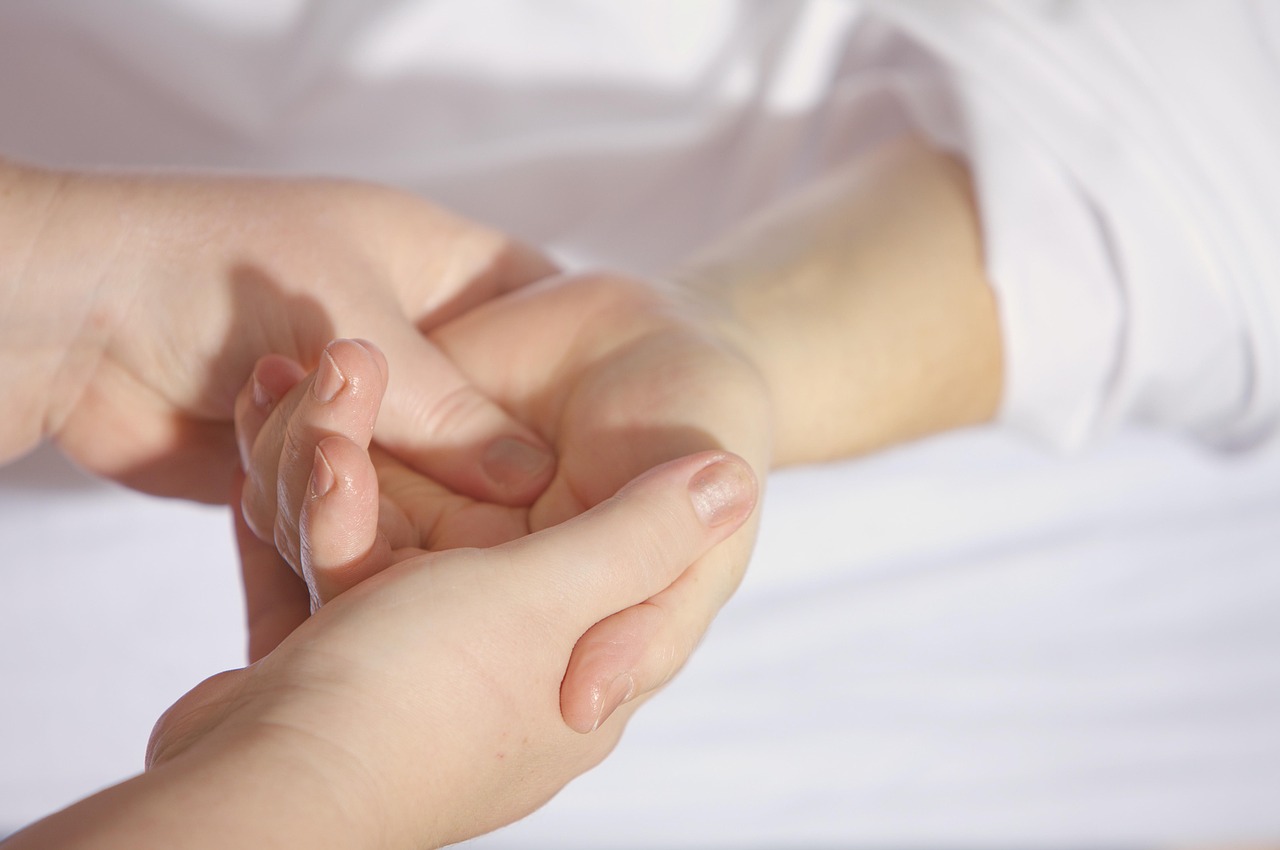
To further enhance your post-game recovery, massage therapy also offers tremendous benefits for golfers suffering from lower back pain. Professional massages can alleviate muscle tension and promote relaxation. Working with a licensed massage therapist enables targeted attention to the muscles surrounding the lower back, easing knowledge of tension and knotting from the game. Additionally, self-massage techniques using a foam roller can be equally effective. Incorporating foam rolling into your routine can minimize soreness and enhance mobility by breaking up muscle knots. Position the foam roller under your back and gently roll over it to release tension. Another option involves using massage balls for more precise trigger point therapy on specific areas. Performing this regularly, especially after your rounds, can enhance recovery rates significantly. Massage therapy not only helps in relieving physical pain but also facilitates mental relaxation, which is equally important for performing at your peak. Establishing regular massage appointments can encourage mindfulness and body awareness, ultimately leading to improved performance on the course. Jogging and incorporating rest days into your schedule are equally vital, as overexertion can lead to diminished opportunities for recovery.
Conclusion
In conclusion, preventing lower back pain through golf post-game recovery is essential for maintaining an enjoyable experience on the course. By integrating effective recovery strategies, golfers can minimize discomfort and enhance overall performance. Key aspects to focus on include hydration, stretching, strengthening core exercises, and utilizing proper heat and cold therapies. Additionally, seeking professional guidance for individualized recovery plans can significantly improve your fitness routine. Prioritizing recovery after each game not only prevents injuries but fosters a proactive approach to your well-being. Investing in consistent post-game practices ensures your body is prepared for future golfing sessions, allowing you to enjoy the game for years to come. Remember that listening to your body is fundamental, adjusting your recovery efforts based on your unique needs. Enhancing your awareness of recovery techniques can also contribute positively to your golfing experience. Ultimately, the association of comprehensive post-game recovery with golf fitness is beneficial for every athlete. Through dedication and effort, you will maximize your recovery potential and enjoy a healthier and pain-free golfing journey.