
Rowing Drills Focused on Stroke Timing and Rhythm
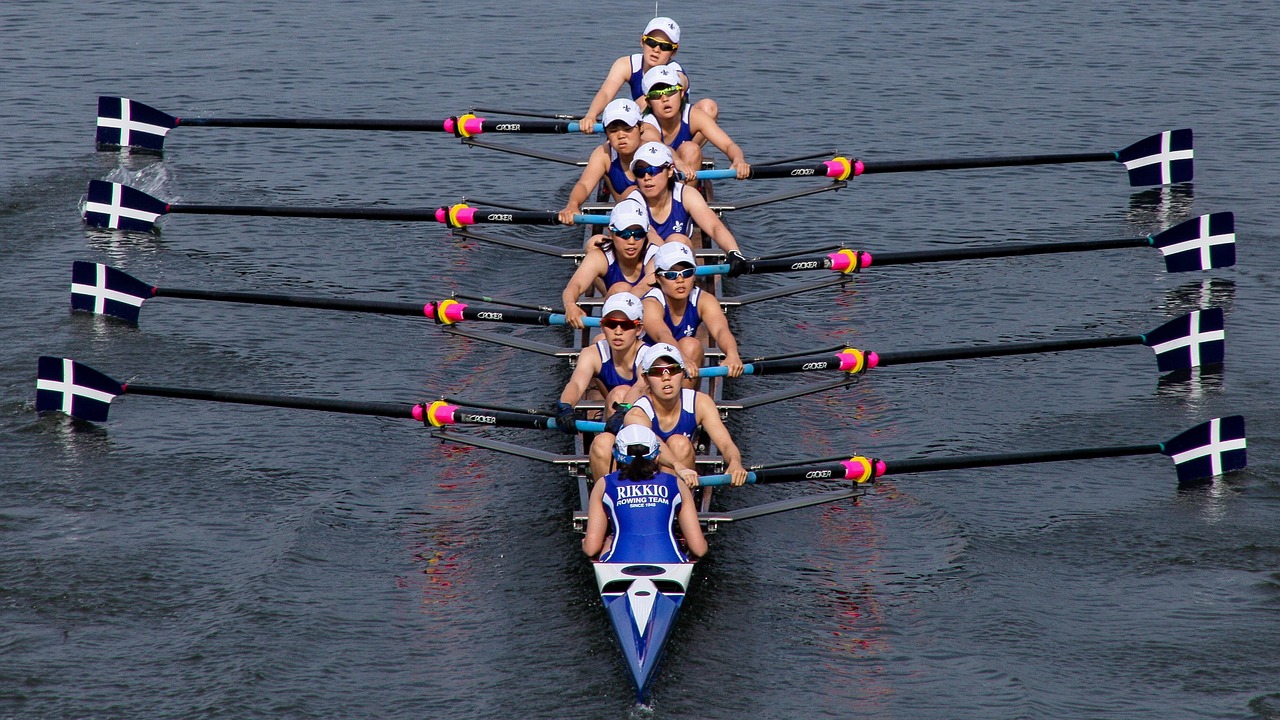
Mastering stroke timing and rhythm is pivotal in rowing, as it serves to enhance overall performance and improves synchronization among crew members. When rowing, effective timing allows for better energy conservation and maximizes speed on the water. A well-timed stroke ensures that the boat travels efficiently, reducing drag and making each effort more productive. Drills focusing on stroke timing can significantly enhance these aspects. One essential drill involves pairing with a partner to maintain a specific tempo while practicing a series of strokes. This not only helps in timing but also aids in developing a deeper understanding of oar placement and recovery phases. Another drill can involve rowing against a metronome, allowing rowers to synchronize their strokes with a consistent beat, thus improving rhythm. Incorporating these drills into regular practice can lead to marked improvements. Additionally, videography can be beneficial in analyzing stroke timing and identifying areas for enhancement. Capturing footage allows rowers to visually assess their technique and ensure optimal practices are adhered to. Implementing these strategies will lead to increased skill development and greater performance efficiency when on the water.
Another effective way to improve stroke rhythm is by emphasizing the importance of body mechanics during the rowing motion. Focusing on the connection between body movements, the oar, and the water is key. A good drill for this purpose is the “pause drill,” where rowers pause at various points during the stroke cycle to reinforce body positioning and timing. By halting at the catch, drive, and finish positions, rowers can ensure they are in the optimal posture to apply maximum power efficiently. Consistent practice with this drill reveals how body mechanics directly influence stroke timing. Another beneficial exercise is rowing with only one oar or blade at a time, which forces rowers to concentrate on timing and rhythm with each arm individually. This promotes greater awareness and control, which directly contributes to enhanced synchronicity when using both sides. Coaches often encourage rowers to maintain a steady mood throughout their repetitions, emphasizing relaxation and flow rather than rigid mechanics. This focus on fluidity often translates to a more natural, rhythmic rowing style, improving not just timing but overall enjoyment and confidence in the water.
Utilizing Visual and Auditory Cues
Integrating visual and auditory cues into training routines can dramatically aid in mastering stroke timing. Using colored flags, markers, or cones can provide tangible targets for rowers, facilitating their focus on maintaining proper rhythm and timing relative to these cues. Markers placed at significant positions along the course can remind rowers when to incorporate specific techniques during their stroke cycle. Additionally, providing auditory signals, such as clapping or counting aloud during practice, can further guide rowers in synchronizing their strokes. This practice encourages rhythmical movement and strengthens the collective effort of the team. Coaches can also use music as a creative tool in drills, linking beats to strokes to foster a sense of timing. Matching personal tempo to various musical pieces can inspire rowers to explore unique rhythm variations, unlocking creative flow in their rowing. Further, using video playback can visually reinforce these timings by illustrating how well crew members maintain synchronization with each other. Making these auditory and visual tools integral in routine practice makes stroke timing relatable, helping rowers connect rhythm and sync with their movements effortlessly.
Moreover, enhancing stroke timing and rhythm requires physical conditioning to support the unique demands of rowing. Developing core stability is vital, as a strong core plays an essential role in maintaining proper posture and delivering effective strokes. Rowers should incorporate strength and conditioning workouts tailored to their specific goals, focusing on exercises that require stability throughout the rowing motion. Pilates and yoga can be beneficial, as they promote alignment and balance while increasing flexibility and strength. Additionally, engaging in resistance training with bands can simulate rowing movements while enhancing timing through proper progression. Another helpful component is incorporating interval training to improve cardiovascular endurance tailored to rowing. The better the rower’s fitness level, the more consistent their timing tends to be during extended sessions on the water. Coaches often use techniques that span various distances or speeds, providing opportunities for rowers to practice pacing and rhythm under different circumstances. This comprehensive approach ensures every aspect of timing and rhythm is covered. Maintaining a structured training regimen inevitably improves performance during competitive scenarios, reflecting a strong team’s capabilities as they harmonize their strokes on the water.
The Role of Visualization Technique
Visualization techniques are powerful tools for developing stroke timing and rhythm. Rowers can benefit from mentally rehearsing their movements, picturing themselves executing each stroke with precision and flow. This mental practice enhances understanding of how timing and rhythm establish an effective stroke cycle. Coaches often recommend quiet time before practice for athletes to visualize their ideal stroke, considering ideal movement patterns and timing. By closing their eyes, rowers can focus on the sound of their oars entering the water, and the reassurance of a boat gliding smoothly along. This mental imagery reinforces key components, resulting in conditioned responses when performing physical drills. Further, involving team discussions about visualization strategies strengthens the crew bond and enhances commitment to rhythmic synchronization during rowing. Encouraging discourse about emotions and sensations that rowers experience can also lead to better team chemistry as they navigate their timing together. Ultimately, this approach fosters a stronger mental focus, making it easier for rowers to implement ideal techniques, especially in competitive situations when stress levels are high. By cultivating visualization techniques, rowers find a more efficient rhythm and develop timing that feels intuitive and natural.
Lastly, creating a sense of accountability and teamwork within the crew is crucial for improving stroke timing and rhythm. Establishing team goals centered around timing allows rowers to understand the importance of collaboration and synchronization for achieving better performance. Group drills can help foster connections, as positive feedback significantly aids motivation and engagement. Encouraging each other during practices and emphasizing quality performance rather than merely completing exercises builds pride and responsibility among members. Rowers can also partake in peer assessments, where each team member provides constructive feedback on stroke timing and rhythm. From analyzing individual strengths to weaknesses, a team-centered approach can help highlight areas in need of improvement for all members. It’s important that each athlete recognizes their role within the team, as cohesion is paramount to achieving synchronization. Additionally, scheduling family fun days or informal outings enhances relationships outside training and builds trust, thereby improving communication and teamwork during rigorous workouts. By instilling accountability, encouragement, and camaraderie, rowers can enhance performance through effective timing and rhythm on the water.
Conclusion
In conclusion, consistent practice and dedication to mastering stroke timing and rhythm are essential for rowers, whether beginners or seasoned athletes. Incorporating varied drills, visual and auditory cues into training effectively fosters improvement in timing and synchronization. The aspect of body mechanics plays a vital role, highlighting that strength and conditioning is integral to enhancing the entire process. Simultaneously, visualization techniques and teamwork enhance overall performance, building both individual skills and camaraderie within the crew. As all these strategies blend seamlessly, rowers witness significant growth, leading to improved competition outcomes. By embracing the diverse practices and focusing on collaboration, teams can transform their racing experience and achieve previously unattainable levels of success. Each crew member plays a vital part in creating a rhythm that is both powerful and harmonious. With concentrated efforts in rhythm, coordination, and focus, rowers can cultivate an engaging and enjoyable experience on the water, preparing them for triumphant challenges ahead. Ultimately, this dedication not only emphasizes personal growth but also the collective success of their synchronized efforts, reinforcing the belief that the journey is as crucial as the destination.