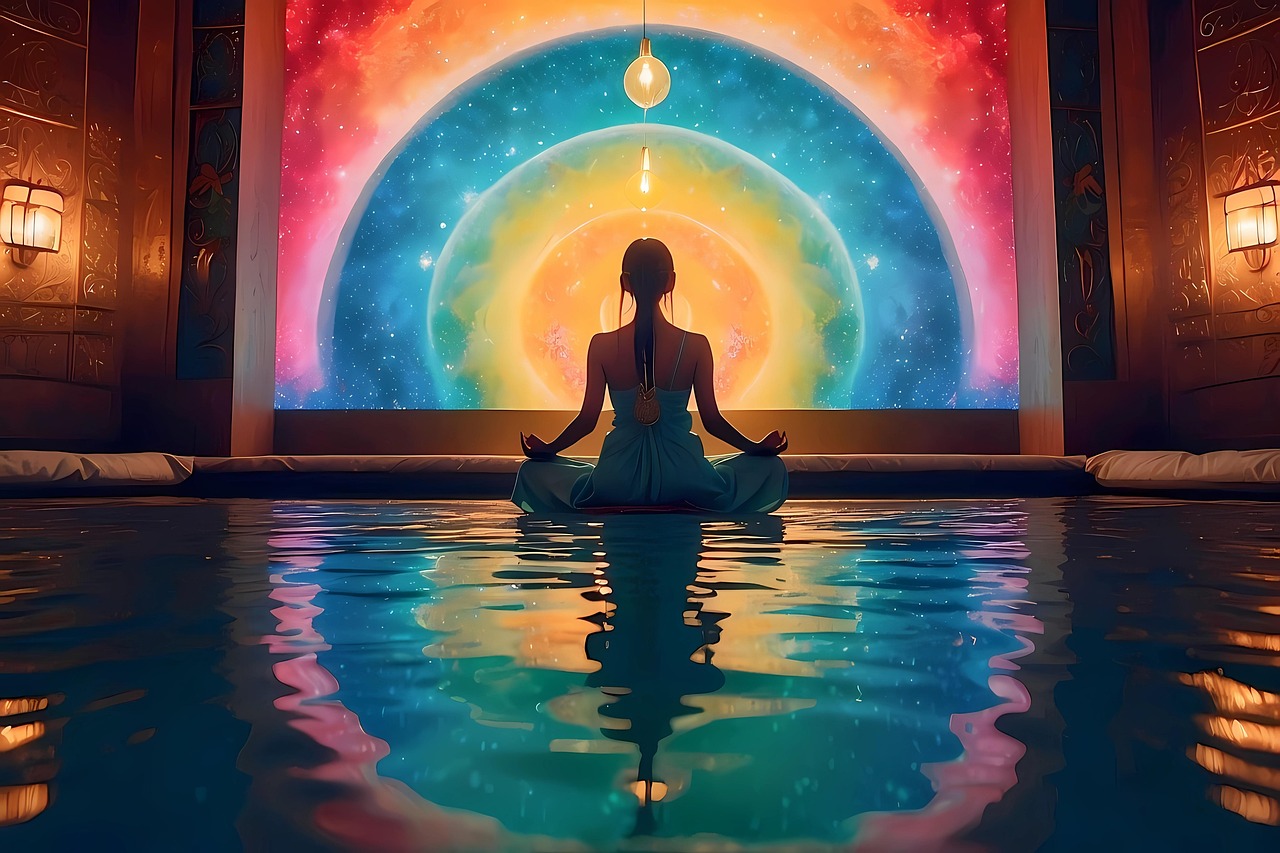

The Connection Between Meditation and Artistic Flow States
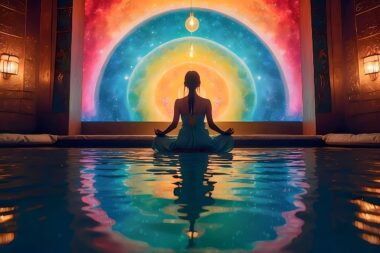
Meditation has long been recognized as a powerful tool for enhancing creativity. By quieting the mind and focusing inward, artists can access deeper states of consciousness where innovative ideas often reside. When engaged in meditation, individuals find a tranquil space that enables them to detach from everyday distractions, leading to a more profound understanding of their creative process. This connection is particularly important for artists seeking inspiration and flow. Creativity often requires a delicate balance of focus and relaxation, both of which are promoted through regular meditation practice. Artists, musicians, and writers alike report that meditation helps them achieve a heightened state of awareness, elevating their creative output. Through various techniques like mindfulness and visualization, the process of meditation can stimulate artistic energy. Many artists incorporate meditation sessions into their daily routines to foster an environment conducive to creativity. In conclusion, by embracing meditation as a regular practice, artists can develop a greater sense of connection and flow in their work. This ultimately leads to exploring their inner worlds more freely, allowing limitless potential for creative expression.
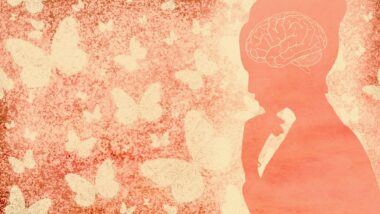
The relationship between meditation and creativity is not solely anecdotal; studies have demonstrated its effects scientifically. Research indicates that individuals who practice meditation regularly show increased activity in brain areas associated with creativity and divergent thinking. This activation leads to improved cognitive flexibility and enhanced problem-solving abilities. Being able to think outside the box is essential for creative pursuits. As meditation encourages new neural pathways, practitioners find it easier to connect seemingly unrelated ideas, sparking innovation. Various forms of meditation contribute differently to creativity; for instance, mindfulness meditation emphasizes present moment awareness, whereas transcendental meditation focuses on mantras. Both provide unique benefits that can influence artistic endeavors. By fostering a non-judgmental attitude, meditation allows artists to explore their ideas without fear of failure. This acceptance creates a fertile ground on which creativity can flourish. Furthermore, meditation reduces anxiety and enhances emotional resilience, equipping artists to handle the highs and lows of their creative journey. Thus, adopting meditation not only enhances artistic skills but also nurtures a healthier mindset, ultimately leading to a more fulfilling creative process.
Techniques to Enhance Creativity through Meditation
A range of meditation techniques can significantly impact creativity levels. Techniques like guided visualization involve picturing artistic scenarios that can stimulate the imagination. By forming vivid mental images, artists can unlock inspirations for their projects quickly. Additionally, practicing loving-kindness meditation cultivates compassion and empathy, which can reflect in an artist’s work. It fosters a greater understanding of human experience while promoting a sense of interconnectedness. Another popular method is mantra meditation, where repeating a particular word or sound can drive focus and clarity. This builds discipline to sustain creative ventures over time. Yam meditation is another approach, allowing for clear intention setting for artistic endeavors. By concentrating on the specific goals, artists can unleash their creativity unhindered. Moreover, sound healing meditations using crystal bowls or Tibetan singing bowls introduce calming frequencies, conducive to opening up the artistic flow. Different environments can also enhance the meditative experience; try meditating in nature or artistic spaces to stimulate creative thoughts. Ultimately, exploring various techniques will foster artistic development while encouraging mindful practices. This combination empowers artists to break through barriers in their creative expression.
A critical aspect of harnessing meditation for enhanced creativity is establishing a consistent practice. Regular engagement in meditation directs individuals toward improved focus and awareness, which are crucial for any artist’s journey. Setting aside dedicated time daily promotes spiritual growth while allowing for introspection. Integrating meditation into a daily routine can be transformational in developing a creative mindset. This investment in personal practice equips artists with better coping strategies for creative blocks, frustration, or feelings of inadequacy. Journaling can complement meditation, capturing inspirations that arise during practice. Noting ideas immediately can lead to breakthroughs that would typically slip away. To amplify the effectiveness of meditation, finding a supportive community is beneficial. Engaging in group meditations or workshops can foster a sense of connection with fellow artists, enhancing motivation and accountability. Additionally, sharing experiences helps solidify insights gleaned during personal meditation sessions. These connections can infuse their work with new perspectives and renewed energy essential for artistic progress. To reap the full benefits of meditation, artists must cultivate patience, trust the process, and embrace both the silence and inspiration it can offer.
Flow States and Creativity
The concept of flow states is integral to understanding the link between meditation and creativity. Flow states, characterized by complete immersion in the task at hand, manifest when artists are in sync with their creative energies. Accessing this state allows for unparalleled levels of creativity and productivity. Various practitioners assert that consistent meditation practice leads to more frequent experiences of flow. This suggests that cultivating a serene mind can eliminate distractions and facilitate focus. Artists often describe flow as a timeless experience where ideas effortlessly unfold. Techniques like active meditation, through art-making, can immerse artists deeply in the creative process. Allowing the mind to wander freely nurtures a fertile environment for inspiration. Furthermore, chemistry in the brain shifts into states where dopamine and endorphins peak, contributing to euphoric experiences associated with creativity. Artists can develop awareness of their unique triggers for entering flow by reflecting on their creative habits. This can involve identifying specific tasks or environments that aid in reaching these states. Ultimately, mastering the art of flow becomes a key to sustained creativity and fulfillment throughout artistic journeys.
As meditation nurtures creativity, the importance of cultivating a balanced lifestyle becomes increasingly evident. Alongside a solid meditation practice, adopting healthy habits can significantly amplify creative potential. Regular physical exercise clears both the mind and body, enhancing overall well-being. When the body feels energised, creativity soars. Furthermore, establishing healthy eating practices contributes to mental clarity and sharpens focus. Incorporating nutrient-rich foods can lead to sustained energy levels and improved cognitive functions. Mindfulness extends beyond meditation; practicing mindful eating or engaging in hobbies can foster a creative mindset throughout daily life. Furthermore, periods of disconnecting from technology and social media empower artists to recharge their minds and refocus their energies. Embracing silence allows for deeper connections to emerge, drawing therefore from within. These practices contribute to a well-rounded approach that fosters creativity and direct artistic expression. Ultimately, maintaining a balanced lifestyle creates a foundation upon which meditation can thrive. This comprehensive approach leads to an enriching journey of self-discovery and inspiration, encouraging artists to develop their unique voices while engaging with their craft.
Conclusion: The Future of Meditation and Creativity
In conclusion, the relationship between meditation and artistic creativity proves to be a rewarding exploration. By incorporating meditation into daily routines, artists can unveil untapped potential while fostering innovative thinking. Gradually, more artists from diverse backgrounds are discovering the profound benefits of adopting a meditative practice geared towards enhancing creativity. As awareness of the importance of mental wellness continues to evolve, the integration of mindfulness in artistic communities becomes essential. Collective participation in meditation can stimulate support and camaraderie among artists, reinforcing the shared passion for creativity. Expanding this dialogue helps normalize meditation as a key tool for artistic exploration. Further research and studies can help illuminate the connections between different types of meditation and their efficacy in fostering creativity. The artistic landscape is witnessing a renaissance where mindfulness becomes an integral part of the process. By prioritizing mental clarity and emotional well-being, artists pave the way for more profound, transformative expressions. Embracing meditation unlocks new avenues for self-exploration and artistic development, ensuring that creativity flows freely.