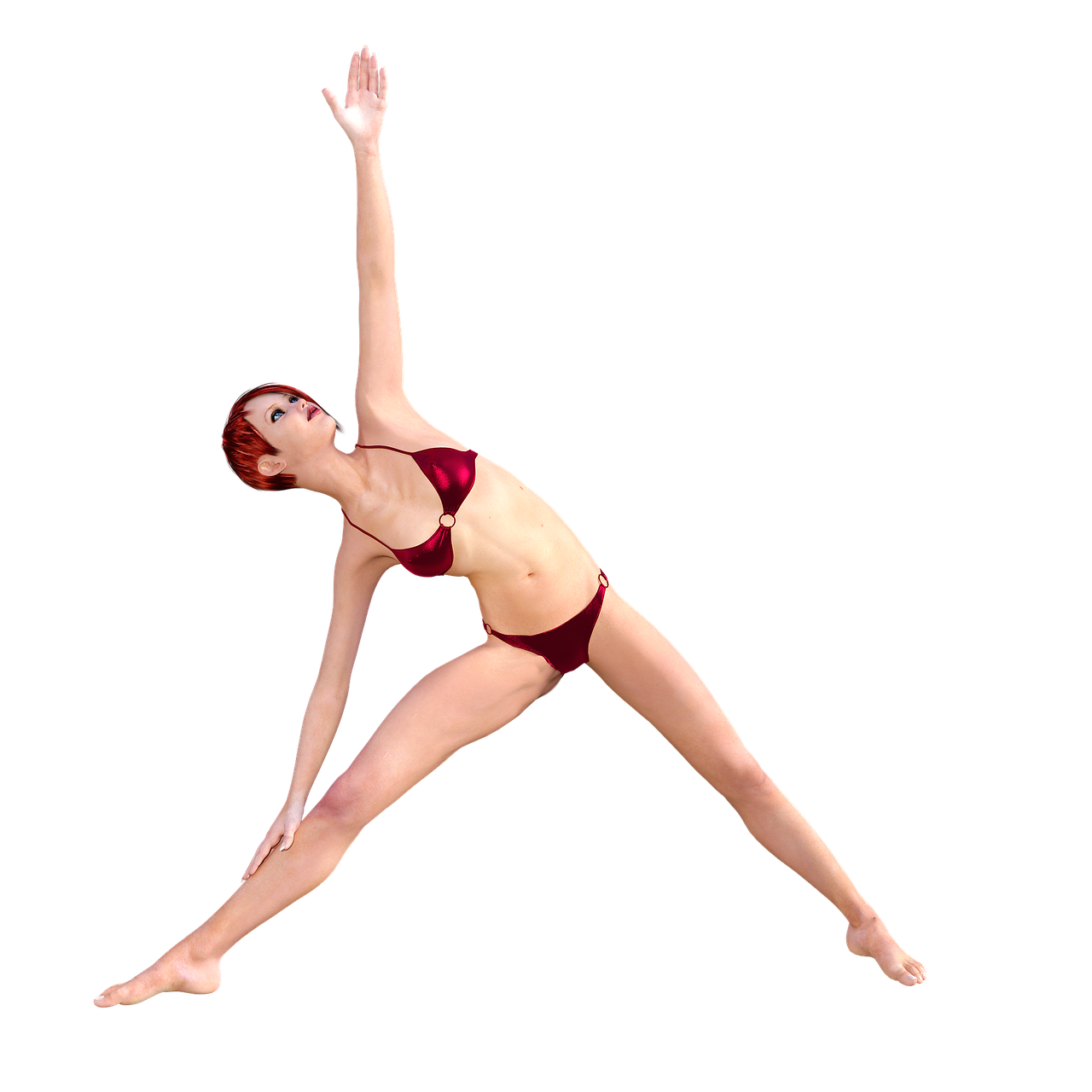

The Impact of Footwear and Barefoot Practice on Injury Prevention in Yoga and Pilates
Footwear plays a significant role in yoga and Pilates practices. The choice of shoes can affect balance, stability, and overall foot mechanics. Many practitioners wear specialized fitness footwear designed to offer support and cushioning. However, the effectiveness of these shoes can vary considerably based on personal foot structure and practice style. Shoes can limit natural toe splay, which can reduce proprioception and sensitivity during practice. Moreover, wearing shoes may inhibit the foot’s ability to engage with the ground properly. As a result, some yoga and Pilates instructors advocate for barefoot practices. Barefoot movement allows for enhanced sensory feedback and stronger foot musculature engagement, potentially decreasing the risk of injury. Understanding how footwear influences practice can guide practitioners in making informed choices. Each individual’s foot anatomy is unique, leading to varying impacts from different types of footwear. Therefore, exploring barefoot techniques may be beneficial for many individuals, promoting more dynamic movement and effective muscle engagement. In conclusion, integrating barefoot practice into yoga and Pilates could enhance safety and performance while reducing injuries.
Injuries in yoga and Pilates can be minimized by addressing footwear issues. Many injuries stem from improper alignment and instability during poses. Practitioners should evaluate their shoes and foot health regularly. Proper foot alignment is critical in preventing injuries. Shoes that provide too much support can hinder natural movements, possibly leading to strain or injury. Conversely, shoes that offer insufficient support can exacerbate existing foot problems, contributing to injuries. The ideal footwear should align with the individual’s foot type, practice intensity, and preferred movement style. Additionally, shifting to barefoot practices can allow greater freedom for the toes and feet, enhancing stability through improved strength and balance. By revisiting footwear choices and incorporating barefoot practices, practitioners can better understand their bodies and provide their feet with the freedom needed for optimal movement. Taking time to practice these elements can help cultivate better awareness of bodily alignment and movement, reducing injury. It’s vital to consult with qualified instructors when making changes to ensure proper technique and safe practice. Remember to listen to your body and adjust your approach based on its feedback for an enriched experience.
The Benefits of Barefoot Yoga and Pilates
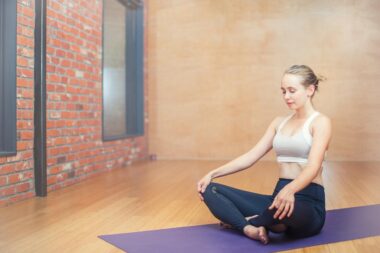
Barefoot practice can yield numerous benefits in both yoga and Pilates disciplines. Practicing without shoes enables a deeper connection to the earth, enhancing balance and stability. With the toes free to spread naturally, overall foot strength increases by engaging various small muscles that shoes may restrict. Furthermore, sensory receptors in the feet are activated, improving proprioception and body awareness, which is crucial in preventing injuries. When practitioners cultivate a mindful approach to body awareness through barefoot practice, they often notice better alignment and posture. A heightened awareness can lead to responses that protect the body from strain. Moreover, many practitioners express feelings of liberation when practicing barefoot. It creates a more authentic experience, allowing individuals to engage with their flows more spontaneously. This connection to the ground fosters a sense of grounding and tranquility, an essential aspect of yoga and Pilates. Enhancing foot strength through barefoot practices can mitigate overuse injuries commonly experienced by practitioners. Thus, the movement toward barefoot styles is aligned with injury prevention and even performance enhancement in these disciplines.
Aside from improving foot and body strength, barefoot practice enhances flexibility. In yoga and Pilates, flexibility is key to executing various poses safely and effectively. Without footwear, tightness in the feet, ankles, and calves can be more easily understood and addressed, potentially leading to more effective stretching routines. Moreover, practitioners may experience less resistance during foot and ankle movements, facilitating deeper stretches and easing tension. The newfound flexibility gained from barefoot practice can play a vital role in overall injury prevention. Improved flexibility promotes better muscle coordination and reduces potential conflicts between muscle groups. When the muscles can achieve optimal length during movement, they are less likely to experience undue strain or tearing. Developing functional strength along with flexibility leads to balanced muscles that less frequently succumb to injury. Additionally, the emotional benefits of practicing barefoot can’t be underestimated. A deeper connection to the mat, a sense of freedom, and reduced distraction can enhance the overall practice experience. Therefore, engaging fully in barefoot practices can significantly support injury prevention in yoga and Pilates disciplines while enriching personal growth.
Choosing Appropriate Footwear
Choosing appropriate footwear is essential for those who prefer to wear shoes while practicing yoga or Pilates. As a practitioner, it’s vital to be aware of one’s foot anatomy and the type of activities involved in their sessions. Not all shoes are suitable for every practice; therefore, selecting the right pair can significantly enhance performance and safety. Ideally, shoes should be lightweight, flexible, and allow for natural foot movement. It’s also advisable to avoid shoes with a thick sole, as they can impede tactile feedback. Shoes designed specifically for yoga or Pilates are often less structured and provide grips without sacrificing flexibility, offering better support for poses while allowing feeling and connection with the mat. It’s essential to consider foot conditions such as flat feet or high arches when selecting shoes. Comprehensive assessments by a professional may help determine the most effective footwear for your practice. Experimenting with various styles and brands can further assist in finding the perfect fit that promotes comfort and prevention of injuries.
Incorporating foot strength exercises into regular practice can also aid injury prevention. Many practitioners overlook foot health, although it is critical for overall performance in yoga and Pilates. Simple exercises like toe curls, ankle rotations, and balance exercises can significantly enhance foot strength and flexibility. Enhancing foot strength can improve overall muscle stability, support ankle joints, and promote proper alignment during challenging poses. Furthermore, engaging in foot-specific exercises before or after practice can prepare the feet for high-stimulation activities, minimizing injury risk. Additionally, incorporating these exercises can lead to improved circulation and better overall foot health. Practitioners often find that a strong foundation enhances their practice by allowing better balance and stability. This emphasis on foot strength and conditioning helps build confidence on the mat. Encouraging conscious attention to the feet deepens one’s connection to movement throughout the entire body. By integrating focused foot strength exercises regularly, practitioners can create a more resilient practice environment, reducing the occurrence of injuries while enhancing the overall experience in yoga and Pilates.
Final Thoughts on Injury Prevention
In conclusion, understanding the impact of footwear and bare feet practices in yoga and Pilates is paramount to preventing injuries. Practitioners must evaluate their footwear choices carefully and consider experimenting with barefoot options to enhance their experience. The benefits of barefoot practice extend beyond mere physical advantages; they foster a profound connection to one’s movements while aiding in alignment, flexibility, and strength. Practicing barefoot or in well-suited footwear empowers practitioners to realize their potential and deepen their connection to their practice. Investing time in enhancing foot health and strength through corrective exercises is imperative for stability and injury prevention. Moreover, education on foot mechanics, body awareness, and selecting appropriate gear can drastically reduce injury risks. Ultimately, the journey towards injury prevention in yoga and Pilates lies in a holistic approach that includes mindful practice, tailored footwear, and diligent foot care. Adopting these strategies can help practitioners cultivate a fulfilling and safe practice over the long run. Prioritizing these essential elements paves the way for an enriching experience on the mat, allowing yoga and Pilates enthusiasts to maintain their well-being.
Finally, joining communities emphasizing barefoot or specialized footwear practices can offer support and valuable shared experiences. Collaborating with fellow practitioners creates a space for discussion and learning from one another’s journeys. Connecting with experienced instructors can enhance knowledge about body mechanics, encouraging safe practices that prevent injuries. Participating in workshops or classes focused on foot health can further deepen understanding and strengthen these essential practices. As communities flourish, so can everyone’s awareness around injury avoidance grow. This collective emphasis on injury prevention holds the potential to create lasting benefits for individuals and communities alike engaged in yoga and Pilates. The exploration of proper footwear and barefoot practices contributes to awareness and commitment to one’s health and safety. Embracing these mindful practices leads to physical, emotional, and spiritual strength while minimizing injury risks. It creates a space where practitioners can explore and connect with their movements authentically. As we advance in our journeys on the mat, let us remember the significance of our feet and the ground beneath us to be continuously mindful of how we can create a safe environment for the betterment of our practice.