
The Popularity of Hotel Swimming Pools in 20th Century Tourism
The early 20th century marked the emergence of hotel swimming pools as a significant attraction, transforming the landscape of tourism. As leisure travel became more accessible, hotels began to introduce swimming pools to entice guests. These pools were not only places for recreation but also luxurious amenities that enhanced the overall travel experience. Hotels recognized that a well-maintained pool could distinguish them in a competitive market. Thus, the pool became synonymous with relaxation and socialization, appealing to families and vacationers alike. Additionally, the advent of indoor pools allowed for year-round swimming, which expanded tourism opportunities even further. This innovation led to the development of elaborate pool designs that catered to aesthetic tastes and attracted a cosmopolitan clientele. Iconic destinations like Miami and Los Angeles prominently featured resort pools, attracting visitors seeking sun and fun. These pools often became social hubs for travelers, creating an environment for mingling and leisure. By the mid-20th century, swimming pools had established themselves as a staple in hotels worldwide, shaping trends in tourism that endure today. From private social pools to grand public spaces, swimming pools signified luxury and indulgence.
The design and architecture of hotel swimming pools in the 20th century reflected changing tastes and technology. Early pools were simple rectangle-shaped structures, often outdoors. However, as architectural trends evolved, so did the designs of these pools. The incorporation of artistic elements, such as mosaics and naturalistic landscaping, created inviting and visually appealing spaces. During the 1920s and 1930s, many hotels embraced the Art Deco style, which influenced pool aesthetics profoundly. This movement led to pools with geometric shapes, vibrant colors, and striking tile work, establishing a glamorous vibe for guests. Furthermore, the rise of modernism in mid-century introduced minimalist designs, characterized by sleek lines and unobstructed views. These contemporary pools often featured infinity edges that blended seamlessly with the landscape, creating an illusion of endlessness. Innovations in pool heating and filtration systems allowed for more luxurious experiences, further enhancing the appeal of hotel pools. Additionally, the popularity of Hollywood in the 1950s promoted the image of glamorous poolside lounging, cementing the pool’s role in leisure culture. Thus, the evolution of pool design significantly influenced tourism and leisure activities in the 20th century.
In the context of the broader tourism industry, hotel swimming pools played a pivotal role in shaping guest expectations and experiences. As hotels began to compete on amenities, the presence of a well-designed pool became vital to marketing strategies. Tour operators and travel agents frequently highlighted the luxury of hotel pools in brochures, appealing to travelers searching for a blend of relaxation and recreation. The success of establishments such as The Beverly Hills Hotel exemplified this trend. Guests were drawn to glamorous poolside settings that provided an opportunity for celebrity sightings while enjoying the sun and social atmosphere. According to travel experts, a hotel without a pool risked losing its appeal to potential guests, as many viewed access to a swimming pool as essential for their getaway. This led to many hotels under renovation or construction seeking to add attractive pools to their properties. Marketers focused on using vivid photography showcasing lively pool scenes, which fueled a sense of desire and wanderlust among potential travelers. Additionally, luxury hotel brands capitalized on this trend by offering luxurious cabanas and dedicated pool service, further enhancing the allure of pools in tourism.
Health and Recreational Benefits
The increasing popularity of hotel swimming pools also aligned with a greater societal focus on health and well-being throughout the 20th century. Swimming was endorsed by health professionals as a low-impact exercise while promoting relaxation in serene environments. The association between wellness and swimming pools led to their integration into hotels emphasizing holistic experiences. Spa resorts began to capitalize on this trend, offering hydrotherapy and aquatics as part of their services. Hotel swimming pools often featured areas designed for physical activities, such as lap lanes for swimming enthusiasts. The availability of these facilities contributed to attracting fitness-focused travelers seeking options to maintain their exercise routines while on vacation. Additionally, many pools catered to families by including shallow areas designed for children, promoting family bonding in a safe environment. The appeal of multimedia experiences led hotels to provide live music or themed nights at their pools, creating a festive atmosphere. The blend of recreational and health-oriented amenities helped to solidify hotel pools as integral to the modern travel experience, illustrating their evolution from simple leisure spaces to complex environments promoting a holistic lifestyle.
The cultural significance of hotel swimming pools also expanded throughout the 20th century, with these spaces often reflecting societal trends and changes. The rise of social media in the late 20th century further emphasized the desirability of glamorous pool experiences. Travelers increasingly documented their poolside moments, creating a visual culture surrounding hotel swimming pools. The hashtag movement amplified the focus on aesthetics, encouraging hotels to continuously enhance their pool areas to attract Instagram-worthy opportunities for guests. This cultural turnaround helped redefine luxury, with travelers often seeking unique or extravagant pool settings to enhance their vacation narratives. Additionally, destination weddings and parties began featuring hotel pools as dynamic backdrops for celebrations. Resorts started offering customizable packages that integrated photography sessions around their picturesque pools. The interplay between social media and tourism dramatically increased the visibility of hotel pools, establishing them as focal points for travelers. From neon lights at night to sunrise pool yoga, the pool melded into the immersive travel experience. Ultimately, hotel pools emerged as vibrant, multifaceted spaces serving various purposes, appealing to both relaxation seekers and returning social wanderers.
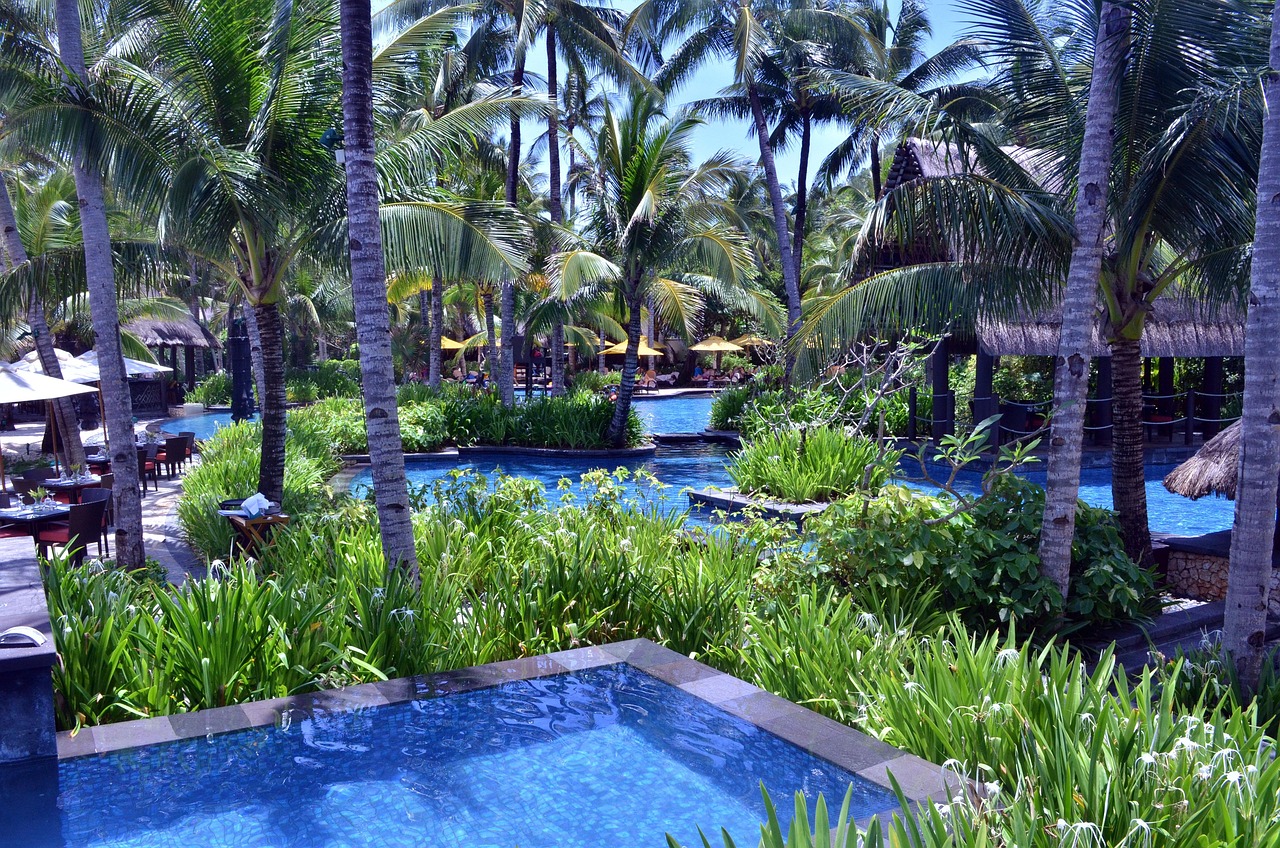
In response to the growing popularity of hotel swimming pools, numerous innovative trends emerged throughout the 20th century. The rise of themed pools added an element of excitement and creativity to the travel experience. Hotels began to introduce concepts such as tropical-themed pools which featured palm trees and cascading waterfalls, creating relaxing atmospheres reminiscent of island paradises. Additionally, swim-up bars became a trendy feature, allowing guests to enjoy refreshing drinks while remaining immersed in the water. This innovation significantly enhanced the social experience of hotel pools by promoting interaction among guests. The establishment of adult-only pools offered a tranquil retreat for couples seeking relaxation away from families and children. These specialized areas allowed hotels to attract different demographics, catering to everyone’s needs regarding leisure activities. Furthermore, the recent trend of eco-friendly pools emphasized environmentally sustainable designs and practices in pool construction. The integration of natural filtration systems and water-saving technologies became essential as travelers increasingly emphasized sustainability. The evolution of hotel swimming pools reflected broader changes in societal preferences and priorities, demonstrating how essential they became in attracting guests while enhancing their overall travel experience.
The Future of Hotel Swimming Pools
As we move into the 21st century, hotel swimming pools continue to evolve, impacted by modern trends and technological advancements. The integration of smart technologies in hotel pools exemplifies this change, with innovation enhancing guests’ experiences. From mobile app access to smart temperature control systems, hotels are leveraging technology to provide personalized services. Virtual reality experiences may redefine how guests interact with their surroundings, creating immersive poolside settings. Additionally, with ongoing environmental issues, hotels are focusing on sustainable practices, such as using renewable energy for pool heating and maintaining water quality through less chemical use. The trend of infinity pools continues to gain traction, offering guests unprecedented views and unique aesthetics. Furthermore, design considerations are expanding, with resorts creating multi-level pools that provide diverse experiences. These developments will shape the future of leisure travel, making it essential for hotels to prioritize captivating and functional pool spaces. Integrating wellness experiences into pool settings could also redefine the future of hotel swimming pools. As these transformations unfold, hotel swimming pools will likely maintain their central allure within the tourism industry, serving as treasured places for relaxation and enjoyment.
In conclusion, the history and development of hotel swimming pools throughout the 20th century significantly influenced the tourism landscape. From simple leisure areas to luxurious destinations for social interaction, these pools became essential features of travel experiences. As designs evolved and societal expectations shifted, pools emerged as important attractions that catered to diverse guests, each seeking unique experiences. Innovations in fitness, social interactions, and sheer aesthetics fueled the ongoing popularity of hotel swimming pools, transforming them into hubs of activity and luxury. With the continued embrace of technology and environmental consciousness, the evolution of hotel pools promises to shape their role in tourism further. Hotels must navigate changing preferences and expectations to maintain their competitive edge in the market. Thus, understanding the history and trajectory of hotel swimming pools illuminates the significance they hold in enriching travelers’ experiences over the years. Today we see how hotel swimming pools remain a vital component of tourism, attracting guests and inspiring memories that last a lifetime. Their charm continues to evolve, reflecting cultural changes and personal aspirations for relaxation and fun, ensuring they retain relevance in future travel. Hotel swimming pools indeed represent an essential aspect of hospitality and tourism.