
The Science Behind Tendon Injuries in Bodybuilding and How to Prevent Them
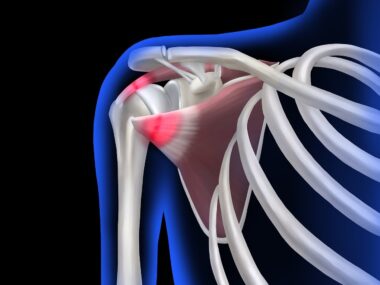
Tendon injuries are a significant concern among bodybuilders and can hinder performance. Understanding the underlying causes is crucial for prevention and recovery. When muscle tissue is strained beyond its limit, tendons, which connect muscles to bones, can become damaged. These injuries often arise from overuse, improper lifting techniques, or insufficient warm-up routines. Bodybuilders who push their limits without adequate support for their tendons may experience pain, inflammation, or even tearing. Moreover, factors such as age and training experience can influence the likelihood of injuries. Tendons require time to adapt to increased stress; consequently, gradual increases in load are recommended. Always listen to your body and recognize early warning signs like stiffness and discomfort. Ignoring these signals can lead to more severe issues. Implementing proper warm-up and cool-down routines, combined with exercises that promote tendon strength, significantly reduces risk. A well-rounded approach ensures both muscular and tendon conditioning. Bodybuilders should educate themselves about safe techniques and consider consulting professionals for personalized training plans. Listening to your body and recognizing these early symptoms is vital in maintaining long-term health.
Signs and Symptoms of Tendon Injuries
Recognizing the signs and symptoms of tendon injuries is essential for timely intervention and recovery. Early identification can prevent more serious damage and long-term issues. Common symptoms include localized pain, swelling, and a feeling of tenderness or stiffness in the affected area. Athletes often report a deep, nagging ache that intensifies with activity. Another warning sign is a decreased range of motion, making it difficult to perform daily tasks effectively. Recalibrating your training regimen after observing these symptoms is critical. Pay particular attention to pain that lingers even when resting, as this often signifies a more significant problem. If discomfort persists or worsens, seeking medical advice becomes imperative. By addressing these symptoms early, bodybuilders can adapt their workouts, incorporate rest days, and engage in rehabilitation exercises aimed at strengthening the affected tendons. Treatment options include physiotherapy, rest, and, in severe cases, surgical intervention. Learning to recognize these signs promotes longevity in one’s fitness journey while emphasizing the balance between pushing limits and maintaining safety. Developing a proactive approach to tendon health empowers athletes in their training pursuits.
Preventing tendon injuries largely depends on understanding their causes and implementing proper training techniques. A common cause of such injuries is overuse during workouts. Gradual increases in weight and intensity can help prevent strain. Bodybuilders should prioritize quality over quantity, focusing on form rather than simply lifting heavier. Incorporating flexibility and mobility work into training regimens also aids in tendon health. Activities like yoga and dynamic stretching can improve range of motion and reduce tightness. Additionally, allowing ample recovery time between workout sessions fosters optimal tendon adaptation. These strategies ensure that the connective tissues strengthen alongside the muscles without getting overwhelmed. Nutrition plays a significant role in tendon repair and prevention as well. Adequate protein intake, along with essential nutrients like vitamin C and omega-3 fatty acids, supports tendon health. Staying hydrated is equally important for overall joint function. Bodybuilders should also consider supplementing with collagen, which has been shown to enhance tendon integrity. Coupling a nutrient-rich diet with an intelligent training approach provides a comprehensive strategy for reducing tendon injury risk. Ultimately, through conscientious practices, bodybuilders can enjoy their craft without unnecessary setbacks.
Warm-up and Cool-down Routines
Effective warm-up and cool-down routines are essential components of a well-structured bodybuilding regimen. These practices enhance performance and play a critical role in injury prevention. A proper warm-up gradually elevates the heart rate and increases blood flow to the muscles, preparing them for strain. Ideal warm-ups should include dynamic movements and light cardio to stimulate joint mobility. Simple exercises such as arm circles, leg swings, and bodyweight squats can effectively prepare the body. Aim for at least 10 to 15 minutes of warm-up activities before intense lifting exercises. Conversely, cool-down routines are equally vital. They help in gradually reducing heart rate back to resting levels and decrease muscle tightness. Static stretching, held for 20 to 30 seconds per muscle group, is beneficial during cooldown. Focusing on major muscle groups like hamstrings and quadriceps eases post-workout tightness, promoting better recovery. Incorporating both practices into regular training schedules not only enhances performance but mitigates injury risks significantly. Athletes who consistently adopt these routines are less likely to suffer from tendon injuries. Optimal warm-up and cool-down strategies cultivate a healthier and more sustainable bodybuilding journey.
An essential aspect of preventing tendon injuries is maintaining a strong and balanced musculature. Bodybuilders often focus primarily on their major muscle groups, which can lead to imbalances. These imbalances can place extra stress on tendons, increasing the risk of injury. To combat this, it is crucial to incorporate compound movements that engage multiple muscle groups. Exercises such as deadlifts and squats not only build strength but promote tendon health as well. Training opposing muscle groups ensures balanced development, thereby alleviating potential strain on tendons. Furthermore, incorporating unilateral exercises like single-leg squats can enhance stability and coordination. Engaging in rehabilitation exercises that target the tendons specifically helps strengthen them, making them more resilient. Maintenance of proper form during these exercises is critical. Consider including resistance bands or lighter weights to focus on technique initially before progressing. Consistency is vital when training; regular engagement helps solidify strong, healthy tendon connections. Additionally, incorporating mobility work can prevent stiffness and improve flexibility. These practices contribute to overall body symmetry and efficiency in movement. This holistic approach fosters injury prevention while advancing bodybuilding goals. Combining varied training methods lays the groundwork for long-term success.
Nutrition for Tendon Health
Nutrition plays a pivotal role in preventing tendon injuries through promoting healthy tissue repair and growth. Adequate protein intake remains fundamental, providing the necessary building blocks for tendon and muscle recovery. Aim to consume a variety of protein sources, including lean meats, fish, eggs, and plant-based proteins. Incorporating foods rich in collagen such as bone broth can further enhance tendon health. Nutrition goes beyond protein; vitamins and minerals such as vitamin C, zinc, and magnesium support collagen synthesis and tissue repair. Additionally, incorporating omega-3 fatty acids from sources like fatty fish or flaxseed oil may reduce inflammation and promote overall tendon health. Staying well-hydrated is another critical aspect; proper hydration supports joint lubrication and flexibility, reducing strain during workouts. Include a spectrum of fruits and vegetables in your diet, as they supply the antioxidants needed to combat oxidative stress caused by intense training. Consider timing your meals to fuel your workouts appropriately. Eating complex carbohydrates before training will provide sustained energy. Lastly, track your dietary intake and habits for optimal performance. Prioritizing a well-rounded nutrition plan fosters resilience against tendon injuries throughout a bodybuilder’s fitness journey.
Rehabilitation and recovery strategies following a tendon injury are vital for regaining strength and function. Resting the affected area is imperative, allowing the tendon to heal without additional stress. It’s crucial to differentiate between mild injuries and more severe ones requiring professional evaluation. Engaging in physical therapy strategies can expedite recovery. Exercises tailored to promote mobility and strength, such as range-of-motion activities, should be gradually introduced to avoid re-injury. Consult with trained professionals to ensure adherence to optimal recovery protocols. Ice and compression therapy may significantly reduce inflammation and pain in the initial stages of recovery. As strength returns, a progressive resistance training program focused on the injured tendon will help rebuild strength safely. Listening to your body is paramount; avoid rushing the return to full training intensity. Monitor any discomfort during recovery closely and adjust your program accordingly. Gradual integration of full workout routines should be done with caution, ensuring adequate warm-ups and cooldowns. Additionally, mental health is vital during this period; maintaining a positive outlook can facilitate psychological recovery. Ultimately, embracing a comprehensive rehabilitation approach will minimize re-injury risk while preparing bodybuilders to return to their training with confidence.