
Understanding Rowing Competitions for Beginners
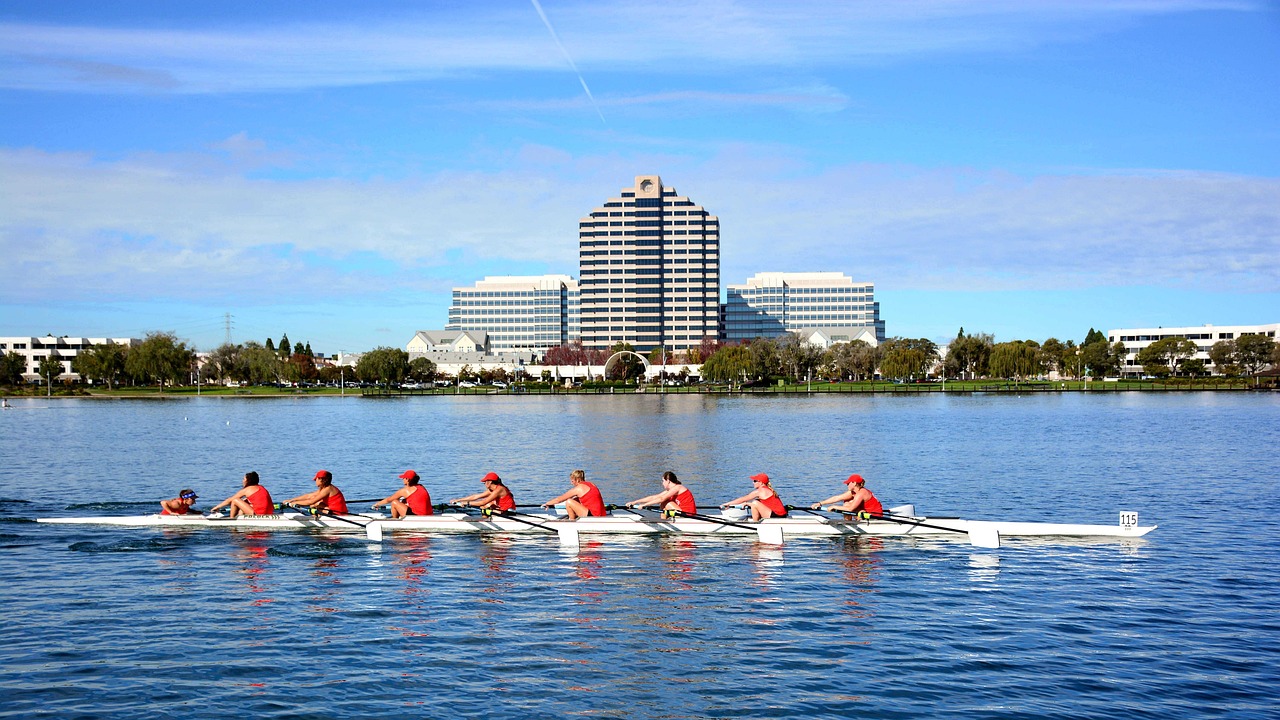
Rowing is not only a fantastic workout but also a competitive sport celebrated globally. For beginners, understanding rowing competitions can seem daunting. Events can be held at various levels, from local races to Olympic competitions. Initially, one must familiarize themselves with the rowing classifications. <ul><li>Single Scull</li><li>Double Scull</li><li>Quad Scull</li><li>Coxed Four</li><li>Eight</li></ul> Each type of boat presents unique challenges; for example, single sculls require intense concentration and balance, while eights focus on teamwork. Participants must also understand the rules governing races. Key aspects include starting procedures, the role of umpires, and the finishing process. It’s critical to practice efficiently and competitively, developing both power and technique. Moreover, rowing demands not only physical prowess but also strategy. Each race can drastically change depending on weather conditions or competition dynamics. To excel, beginners should attend training camps and watch videos of seasoned rowers, studying their techniques to improve. Rowing competitions are thrilling, fostering community and personal growth while promoting an active lifestyle.
Types of Rowing Events
In rowing, various events cater to different skill levels and vessel types. Understanding the event structure is crucial for beginners. Head races and sprint races constitute the primary formats. Head races involve long distances, typically 5,000 meters or more, emphasizing endurance and strategic pacing. They often feature time trials where rows compete against the clock. Conversely, sprint races usually cover distances of 2000 meters and focus on speed, testing the athletes’ explosive power and tactical skills. Competitors race side by side, creating an exhilarating atmosphere. Participation in youth and collegiate events is particularly prominent. <ul><li>Youth Championships</li><li>Collegiate Regattas</li><li>National Championships</li><li>International Regattas</li></ul> These competitions often pave the way to a rowing career. Additionally, rowing must cater to mixed-gender and adaptive events, promoting inclusivity. Diversifying your competition experience enhances individual skill development and confidence. Beginners should seek mentorship from seasoned rowers who can offer insights on navigating the competitive landscape and racing effectively.
Rowing competitions are judged based on numerous criteria, emphasizing the importance of mastering various skills. Time and technique play crucial roles, but athletes must also exhibit teamwork and synchronization among crew members. It’s essential to remember that while individual performance contributes to success, rowing is fundamentally a team sport. Thus, developing strong bonds with fellow rowers fosters cohesion. Further, understanding the boats’ technical aspects enhances performance. Key components include oars, seats, and rigging systems, which all work together to propel the boat. Attaining optimal rigging not only improves efficiency but also helps rowers adapt quickly during races. Call on experienced coaches or attending workshops to learn more about vessel adjustments. The preparation phase leading up to competitions is equally pivotal, ensuring rowers are physically and mentally primed. Strategic training schedules and nutrition are critical elements to explore. Moreover, participating in practice races sharpens skills, aids in refining pacing strategies, and boosts confidence before the actual event. Finally, it’s advised to review race footage to identify areas of improvement, crucial for advancing in the competitive world of rowing.
Preparing for Your First Competition
Preparing for your first rowing competition can be both exhilarating and nerve-wracking. First, one must focus on building a consistent training regimen, which is essential for developing strength, endurance, and technique. Attend training sessions regularly while incorporating cross-training activities like running or cycling to boost overall fitness. Furthermore, it’s crucial to practice starts, finishes, and navigating turns; these elements are paramount in a competitive setting. Pay attention to the importance of mental preparation as well. Visualization techniques often benefit many athletes. Imagine yourself successfully completing the race; this practice can help promote calmness and confidence. On the day of the competition, arrive early to familiarize yourself with the race venue. Being comfortable with your surroundings helps mitigate anxiety. Additionally, ensure you have the necessary gear: a properly fitted life jacket, lightweight clothing, and a reliable water bottle. Remember to hydrate and fuel your body adequately before the race. Review the race schedule and prepare your boat according to your coach’s recommendations, as adhering to these details contributes significantly to your overall performance.
During the actual competition, maintaining a positive mindset is imperative for beginners. Nerves can easily overtake excitement, so focusing on the training journey helps maintain perspective. Concentrate on your technique rather than comparisons with other competitors. Mental fortitude directly influences your performance and helps manage pre-race jitters. As you progress through the race, rely on the commands given by your coxswain or coach. Staying in sync with the crew fosters unity, and teamwork is essential for optimizing speed and performance. Don’t forget to enjoy the experience and embrace the camaraderie that comes with competing in rowing. Post-race, learning from the event is vital; take time to reflect on your performance. Identify what worked well and areas that require improvement. Engaging with competitors and discussing their strategies can reveal helpful insights. Finally, reward your efforts regardless of your finishing position. Celebrate the dedication and commitment you exhibited during training, as this sets the stage for future successes. With time, practice, and continuous learning, rowing can become not only a competitive sport but also a lifelong passion.
Joining a Rowing Community
Becoming part of a rowing community can enhance your experience significantly. Local rowing clubs typically offer comprehensive training programs tailored for novices. By joining a club, you’ll gain access to expert coaching, peer support, and potential competitive opportunities. Networking within this community allows for the exchange of knowledge and experiences, which can be beneficial for improving individual skills. Furthermore, participating in club events fosters a sense of belonging, enhancing motivation and commitment. In addition to technical training, clubs often organize social activities that encourage team bonding. This friendly environment promotes camaraderie and collaboration, essential elements of any successful rowing team. It’s also beneficial to attend workshops or seminars held by experienced rowers, providing insights that can enhance your understanding of the sport. Coaches often share valuable advice regarding race strategies and mental preparation, which is vital for success. Also, explore opportunities to volunteer at local events, providing invaluable experience and insights into the competitive process. Such involvement cultivates a deeper love for the sport, further enriching your rowing journey and aiding in your long-term success.
In conclusion, understanding rowing competitions and preparing for them requires dedication and knowledge. As beginners, immersing yourself in the essential aspects of rowing can significantly improve performance and foster a deeper appreciation for the sport. Focus on honing your skills through disciplined training, emphasizing teamwork, and maintaining positive mental attitudes. Remember that rowing is a journey, laden with learning experiences that require hard work and perseverance. Competing in rowing provides profound insights into one’s capabilities while also encouraging lasting friendships. Embrace the challenges and triumphs that accompany participation in competitions; each race helps build resilience and strengthens character. As you develop your passion and progress through different rowing stages, continuously adapt to your evolving needs. Cherish the community surrounding you, as it can serve as a source of motivation and inspiration. Ultimately, dedication, preparation, and community engagement are critical factors in enjoying and excelling in rowing competitions. So, strap into your boat and let the waters guide your journey; the rowing world awaits, filled with excitement and countless opportunities for growth.
In summary, rowing competitions offer an exhilarating experience for athletes at every level. With proper preparation, beginner rowers can overcome challenges and develop essential skills to enhance their performance. While physical capabilities are crucial, mental resilience and teamwork will always be fundamental components that define success in this sport. Remember to immerse yourself in the competitive environment, as each race adds to your journey and growth as a rower. Whether aiming for personal bests, medals, or lifelong friendships, your experiences in this sport will serve to enrich your life tremendously. This robust community of rowers and supporters alike fosters an atmosphere of encouragement, providing opportunities for improvement and learning through camaraderie. Beyond the thrill of competitions, the most valuable takeaway is the passion for rowing that brings people together. So, take the plunge and fully immerse yourself in the exciting world of rowing. Every race brings you one step closer to mastering your skills and enjoying the vibrant atmosphere of rowing as a whole. Approach each competition with enthusiasm and dedication, for they are experiences that last a lifetime.