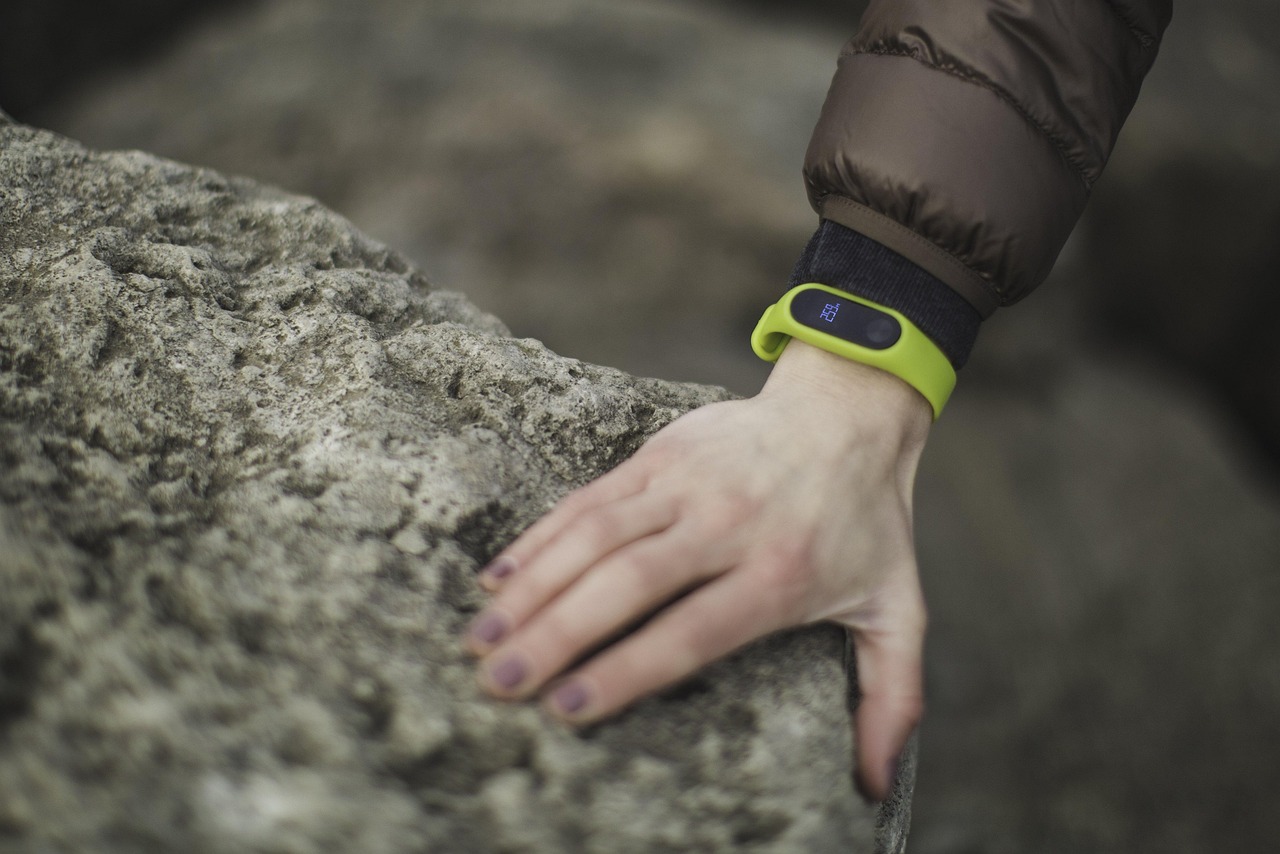

Using Wearable Technology to Track Resistance Bands Workout Results
Tracking progress in resistance band workouts is essential for optimizing fitness results. Wearable technology has advanced significantly, allowing users to measure various metrics during their workouts. Devices like fitness trackers and smartwatches have integrated features specifically tailored to track workouts that include resistance bands. These devices can monitor heart rates, caloric burns, workout durations, and even repetitions. Moreover, some advanced trackers provide insights into the intensity of exercises performed with resistance bands, offering detailed analytics. Users can benefit from this data by adjusting their workout plans and setting personalized goals. When utilizing wearable technology, it is vital to choose a device with suitable features that fit your fitness routine best. Always ensure that the fitness tracker is comfortable, allowing freedom of movement during your workouts. Additionally, integrating this technology into your routine helps maintain accountability and motivation, enhancing overall performance. The key is to select the right times to track performance, whether during workouts or at the end for review. Understanding how to leverage this technology can ultimately lead to better results and a more effective resistance band workout experience.
Incorporating resistance bands into workouts can lead to improved strength and flexibility. To maximize benefits, tracking workouts using wearable technology can enhance the experience. Many individuals often overlook the power of tracking, but it plays a crucial role in understanding physical progress. By monitoring factors such as heart rate and workout intensity, users can create structured routines tailored specifically to their needs. For instance, a smartwatch can help track the number of sets, reps for various band exercises, and rest periods. This detailed tracking ensures an effective workout and adequate recovery times. Moreover, wearable devices empower users to reflect on their progress over weeks and months. Such evaluations will help determine which exercises boost strength and contribute to overall fitness. Effective tracking has proven links to increased motivation; as users see improvements based on their data, further progress becomes manageable. Additionally, wearable technology supports setting realistic goals based on accurate metrics collected over time. Regularly reviewing this information can inspire adjustments to workout routines or incorporate variations in resistance bands for diversified training.
The Benefits of Resistance Band Tracking
Tracking workouts specifically with resistance bands offers numerous benefits made easier with wearable technology. For one, it provides users with metrics needed to analyze improvements in strength gains. Users can review these metrics, helping them understand how effective their workouts have been and guiding future sessions. Besides tracking strength metrics, wearable devices often allow for tracking heart rate, which can aid in measuring workout intensity. Maintaining an optimal heart rate during strength training is vital for achieving fitness goals. Furthermore, data collected from workouts can reveal patterns related to fatigue or unusual performance during sessions. Understanding these patterns can inform how to adjust bands’ tensions or exercise selection to continually challenge the body effectively. Many fitness trackers also have the feature to instantly sync the tracked data to mobile fitness applications. With these features, users can access more comprehensive analysis, including graphs and reports, which visually represent their journey. Access to this level of information can inspire users to stay committed, avoid burnout, and focus on sustainable progress in every session.
As fitness enthusiasts continue seeking new methods to enhance their workouts, innovations in wearable technology further diversify the experience. Resistance bands can be particularly effective when combined with these advancements. Many trackers now offer capabilities to count individual sets and repetitions automatically. This level of precision is crucial for anyone serious about tracking their progress accurately. Instead of relying on manual logs, the automation of these processes encourages a more active workout experience. Furthermore, integrating mobile applications displaying real-time progress can significantly enhance motivation. For example, some apps allow users to challenge friends or track performance against personal bests. Although the focus is on resistance bands, the skills gained from tracking can be transferred to other workouts for improved agility and endurance training. Importantly, wearable technology presents users with an opportunity to compare various workouts and determine which bands or specific routines yield the best results. The emphasis on this comparative approach ensures a comprehensive understanding of personal capabilities, pushing users toward achieving new goals. Ultimately, users should embrace these innovations to create a more engaging fitness journey.
Choosing the Right Wearable Technology
Selecting the ideal wearable technology for tracking resistance band workouts is critical for maximizing benefits. Several key features should be considered when evaluating which device meets your needs. Firstly, look for a fitness tracker with robust exercise modes that include strength training options. Additionally, ensure that the chosen device has workout logging capabilities, allowing easy review after the session. The durability of the device is also paramount, particularly if engaging in high-intensity routines. Some devices are waterproof or sweatproof, which can prove valuable during regular use. Another consideration is whether the wearable can sync with other fitness applications. Sync capabilities enhance user experience by consolidating various workouts into one platform, allowing a clearer performance trend analysis. Moreover, an intuitive interface on the device can greatly enhance usability, making it user-friendly and efficient to navigate during workouts. Lastly, pay attention to battery life. Opt for a device with longer battery life to ease concerns about frequent charging, especially during extensive training sessions or periods of frequent use. Finding the right balance of these features will ensure a more effective tracking experience.
Creating a smart training plan incorporating wearable technology and resistance bands can significantly enhance fitness journeys. Smart training involves goal setting based on data collection from workouts. Wearable technology provides insights into previous performances, allowing users to identify strengths and weaknesses. After establishing this baseline, users can effectively set realistic goals over specific timeframes. For instance, focusing on increasing the number of reps or sets per week is beneficial for steady progress. Adopting a systematic approach to resistance band workouts infuses accountability into personal training sessions. Regularly reviewing tracked data also provides opportunities for enthusiasts to adjust their training based on metrics and feedback garnered from the wearable device. Additionally, setting mixed routines that combine resistance bands with cardiovascular exercises can provide diverse workouts, countering workout monotony. Moreover, emphasizing flexibility and warm-up sessions alongside prime workouts can improve athletic capability and reduce injury risks. Therefore, the synergistic approach between technology and training leads to a more refined fitness routine, improved results, and positive mental engagement, fostering a fitness lifestyle that remains enjoyable and fulfilling.
Track, Adapt, and Achieve
The journey to achieving fitness goals with resistance bands is profoundly enhanced by effectively tracking progress. The core principle of tracking is understanding one’s abilities and benchmarking improvements based on consistent data collection. As individuals become more skilled in using resistance bands, wearables allow for crucial adaptations necessary to keep pushing limits. By analyzing workout data, users can identify when to increase resistance levels or diversify band workouts to prevent plateaus. Furthermore, it’s essential to track not just numbers but also how one feels during workouts. Monitoring physical sensations alongside performance metrics can lead to more profound insights into overall well-being. This dual approach enhances the precision of training programs that prioritize both physiological performance and mental engagement. Users should also leverage regular check-ins, using wearable technology to maintain accountability throughout their fitness journey. These check-ins empower users to make necessary adjustments to their training plans regularly. Ultimately, consistency in tracking and adapting strategies will foster a sustainably successful fitness regimen, leading to enhanced overall health and well-being.
In conclusion, wearable technology opens new possibilities for tracking resistance bands workouts effectively. By employing these devices, users can access valuable insights into their fitness progress, including metrics on strength, endurance, and recovery. Tracking consistent workouts enables individuals to personalize their routines, optimize efforts, and set achievable fitness milestones. As technology continues to evolve, new features are likely to emerge, enhancing the workout experience even further. Embracing wearable tech will not only help in maintaining accountability but encourage individuals to stay motivated in their fitness journeys. Regularly tracking performance inspired by data creates a stronger sense of accomplishment, pushing users toward long-term fitness commitments. Moreover, integrating wearables into workouts fosters a convenient approach to gathering fitness information, so users can easily monitor changes and adjust workout parameters. It may even pave the way for collective social engagement, encouraging others to join in the fitness journey. As more people adopt resistance bands in their routines, technology will be critical in shaping how individuals engage with their fitness goals. Ultimately, the combination of resistance band training and wearable technology is a powerful ally in paving the way to achieving optimal fitness results.