
Yoga Poses to Enhance Parkour Flexibility and Balance
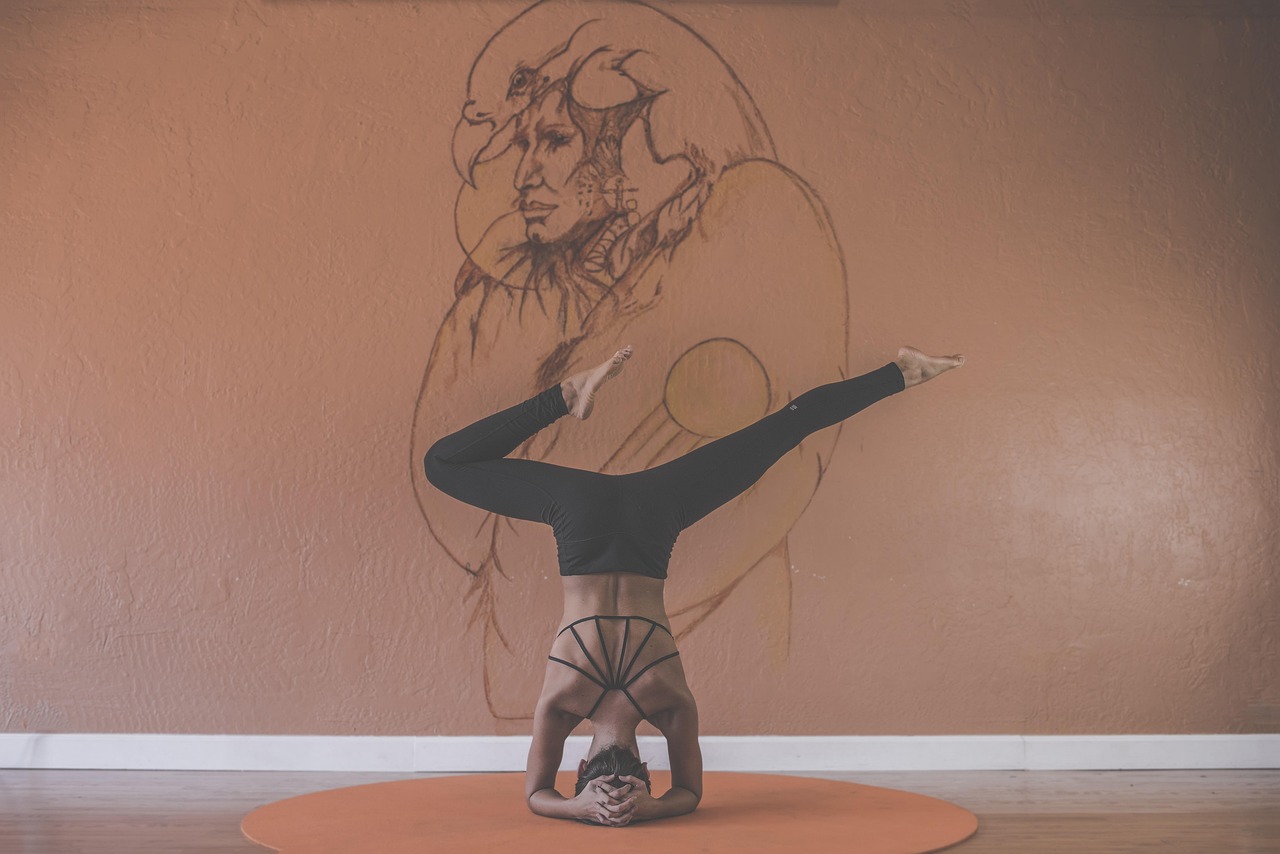
Yoga offers various poses that significantly enhance both flexibility and balance, crucial for parkour practitioners. By integrating these poses into your training regime, you can improve your overall performance. Since parkour involves dynamic movements and fluidity, flexible muscles allow for more fluid and graceful landings. By engaging your muscles in the right way, you can effectively minimize injuries during rigorous challenges. An example of a beneficial pose is the Downward Dog. This pose stretches the hamstrings and calves, promoting strength and elasticity needed for jumping. Additionally, the Warrior series not only builds muscle but also fluency of motion. Incorporating these into warm-up routines enhances your body awareness and improves spatial understanding. The connection between mind and body that yoga provides can aid in developing greater control over your movements. This engagement will ultimately lead to a more confident performance in parkour. Stability in muscles and joints plays a pivotal role in executing complex maneuvers. The practice of each pose requires focus and correct alignment; this is crucial both in yoga and parkour, ultimately leading to greater agility and precision. Consistent practice will yield profound results throughout your parkour journey.
The Sun Salutation sequence represents an excellent way to warm up your body before engaging in parkour activities. This flow warms the entire body by promoting blood circulation while enhancing coordination and balance. Each pose in the sequence, such as Mountain Pose and Cobra, complements fluid movements in either discipline. Establishing a rhythm with your breath reinforces a strong mind-body connection, which proves to be vital during rapid transitions. This approach can be especially useful when attempting to navigate difficult obstacles in parkour. Engaging both the mind and body through the Sun Salutation also provides a deeper level of focus. Moreover, incorporating this sequence into daily routines presents a way to cultivate perseverance and patience within your practice. When trying new parkour techniques, an agile and adaptable body is your best asset. The dynamic movements practiced within yoga can help create that agility while promoting a sense of joy as you flow through the routines. While it might initially seem disjointed, the synchronization of breath and movement can yield remarkable benefits. Developing these attributes is fundamental and will contribute immensely to building your overall parkour proficiency and effectiveness.
Dynamic Poses for Improved Mobility
Dynamic yoga poses are particularly beneficial as they enhance the range of motion in the joints, an essential aspect of parkour. Moving through poses like Lunges or Side Plank continuously allows your body to adapt to various positions needed for successful parkour navigation. These poses engage different muscle groups, ensuring that strength and flexibility grow simultaneously. Enhanced hip flexibility fosters faster squat movements and groundbreaking transitions, promoting overall performance efficiency. Additionally, engaging the core while performing these poses aids in developing stability. Strengthened abdominal muscles help maintain proper form, supporting your body’s alignment. This aspect becomes even more critical when executing complex jumps or rolls in parkour. The act of constantly moving between various dynamic poses teaches your muscles to respond quickly to changes in direction. By integrating such flexibility routines into training, you will feel a marked difference in your overall agility. Furthermore, using practice sessions to perfect your form enhances your future parkour skills. Just as powerful breathing prepares you for dynamic moves, equally dynamic poses prepare your body for the demanding challenges frequently faced in parkour, paving the road toward improved performance.
Incorporating balance-based yoga postures such as Tree Pose or Half-Moon can immensely benefit your parkour skills. These poses require significant stability and focus, directly transferring to your ability to land properly while executing jumps. Balancing poses train your connection with the ground, improving the proprioception needed for recognizing spatial orientations. Developing core strength is crucial for supporting a sturdy and stable frame during parkour challenges. By practicing these poses regularly, you’ll build confidence and hone your body awareness, both of which are critical during demanding parkour maneuvers. Refining your balance will also give you the freedom to take on trickier obstacles, like precision jumps or navigating narrow ledges. As these skills grow, you’ll find it easier to maintain a sense of calm during high-pressure situations. Moreover, incorporating stretching in your routine will assist in mitigating injury risks. Mental focus is equally important; yoga encourages mindfulness and tranquility while performing physical challenges. Integrating these practices can lead to heightened performance, transforming not only your body but also your mindset toward the discipline itself. It’s this unique interplay between balance and flexibility that cultivates tremendous gains in your parkour journey.
Breathing Techniques for Enhanced Performance
Breathing techniques, essential components of yoga, contribute significantly to parkour performance. Controlled breathing helps maintain energy levels throughout your training, promoting longevity during physically demanding challenges. By adopting techniques like diaphragmatic breathing or the Ujjayi breath, practitioners can regulate their heart rates, which ultimately enhances endurance. Improved breath control translates into better performance; when practiced consistently, it allows for fluid transitions essential to parkour. With enhanced lung capacity, the body becomes more oxygen-efficient, helping athletes to maintain high energy without excessive fatigue. Developing breath awareness can also play a role in reducing anxiety, a common concern for those tackling fear-inducing leaps. Yoga teaches you to harness that anxiety, transforming it into focused energy during your jumps or climbs. This mental aspect is as essential as the physical training, contributing to a well-rounded parkour practice. Furthermore, flexibility along with breath control aids in allowing the body to relax as it transitions through challenging movements. When these techniques are fully integrated, they’ll enhance the overall experience during your training sessions, making each practice more fulfilling. Ultimately, these breathing practices ensure that you’ll execute parkour maneuvers with confidence and poise.
As you continue to practice yoga poses, consider keeping a log of the benefits you experience. Documenting your progress can provide motivation and clarity about the improvements in your flexibility and balance. Record the poses you find most helpful in enhancing elements of your parkour training; noting specific insights will aid future improvements. Experimenting with different variations of each pose can yield surprising benefits, as each variation challenges your body in varying ways. You may find new areas to develop or refine techniques based on your observations. Engaging in group classes online or in-person can also provide fresh ideas and perspectives on your practice. Connecting with like-minded individuals can motivate you to push through plateaus and embrace new challenges. Sharing experiences can enhance your understanding and share knowledge with others who share similar goals. As you progress, remember that every small gain is a victory in itself. Be patient and trust the process; flexibility and balance development take time and dedication. By maintaining a positive mindset, you are more likely to achieve significant results throughout your journey in both yoga and parkour. Celebrate achievements along the way to remain inspired and committed!
Conclusion: The Integration of Yoga in Parkour
In conclusion, integrating yoga into your parkour training can be transformative in enhancing flexibility, balance, and performance. The variations of yoga poses provide the essential stretching and strengthening your body craves for longevity in this demanding discipline. By regularly incorporating these practices, you will cultivate an understanding of your body and develop a sense of agility that supports your movements. The dynamic flow of yoga aligns well with the fluidity required in parkour, making the two disciplines complementary. As both practices emphasize control, mindfulness, and flexibility; they become powerful allies in overcoming physical and mental barriers. Harnessing the benefits of yoga can elevate your confidence and capabilities, allowing you to tackle challenges head-on, whether in a parkour environment or life. Remain committed to refining this practice; the journey of improvement is ongoing. Each yoga session will yield new insights, ultimately leading to profound transformations in your parkour experience. Continual growth in both disciplines fosters resilience and perseverance, essential attributes in tackling life’s challenges. Embrace this unique combination to ensure that your parkour journey is as fulfilling as it is adventurous.
This unique partnership enriches both disciplines, making them a holistic approach to personal growth and agility.