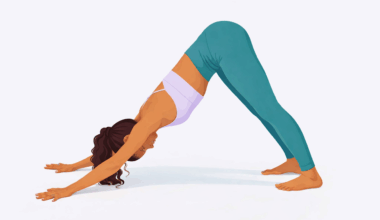

Common Mistakes in Stretching and How to Fix Them
Stretching is an essential component of any fitness routine, yet many people make common mistakes that hinder their progress. A frequent error is not warming up before stretching. This can lead to strained muscles and decreased flexibility. To prevent injuries, always warm up with light aerobic activity for at least 5-10 minutes beforehand. Another mistake is overstretching too quickly, which can cause pain and injury. It’s important to ease into stretches gradually rather than pushing your limits right away. Focus on how your body feels. Individuals often hold their breath during stretches, which can create tension and reduce effectiveness. Instead, breathe normally, exhaling as you stretch deeper. It’s also important to ensure proper alignment during stretching; poor form can lead to strain and neglect the targeted muscle. Adding variety can prevent boredom and promote engagement in your stretching routine. Lastly, some individuals disregard their body’s feedback. Listening to what your body tells you is crucial. If a stretch feels painful, ease out of it. Consulting a physical therapist for personalized guidance may also provide insight for improvement. Incorporating these adjustments will ensure a more effective and safer stretching experience.
Another prevalent mistake in stretching is failing to hold the stretch for an appropriate duration. Most experts recommend holding each stretch for at least 15-30 seconds, depending on your flexibility level. Shorter holds may not provide the full benefits of relaxation and muscle lengthening. Additionally, many individuals focus only on the muscles they feel utilizing, neglecting opposing muscle groups. This imbalance can result in injuries and insufficient flexibility. Incorporating stretches for both sides of your body will promote symmetry and overall mobility. Another oversight is not adapting stretching techniques to individual needs; regardless of common practices, every person has unique flexibility challenges. It’s crucial to create a personalized stretching regime tailored to your specific goals. Similarly, many people rush through their stretching routine, which can lead to insufficient muscle engagement. Take your time, ensuring that you perform each stretch correctly and with control. Avoid bouncing while stretching as it can create micro-tears in your muscles. Instead, adopt a smooth and gradual motion. Known as ballistic stretching, bouncing can risk injury. Opting for static or dynamic stretching is generally safer and more effective.
Understanding Static vs. Dynamic Stretching
Furthermore, ignoring the differences between static and dynamic stretching can complicate your routine. Static stretching involves holding a stretch for a specific period, great for cool-downs. In contrast, dynamic stretching entails moving while stretching and is ideal for warming up. Knowing when to use each type will elevate your flexibility efforts. Many practitioners also overlook maintaining hydration levels prior to stretching. Dehydration can cause muscles to become stiff and limit overall flexibility. It is essential to drink plenty of water throughout the day and especially before engaging in physical activity. Equally important is the environment where stretches are performed. Stretching in an uncomfortable or obstructed area may hinder your ability to perform effectively. Choose a space that allows you to stretch freely without interruptions. Some people also forget to use equipment or props like mats, straps, or blocks to assist with their stretches. Enhancing your routine with these tools can aid in achieving proper form and improved results. Lastly, staying consistent with your stretching regimen is key; irregular practices can lead to backtracking and ineffective results.
Moreover, neglecting to create a specific stretching plan can be detrimental to your progress. Having a well-structured guide addresses various muscle groups and ensures balanced flexibility. Routine assessments of your flexibility can also help to monitor improvement, making adjustments as needed for optimal results. Many individuals skip post-stretch cooling routines, missing out on vital recovery time for their muscles. A simple cooldown encourages blood circulation, reduces muscle soreness, and enhances flexibility over time. Ensuring your stretching environment is conducive to relaxation is another important aspect. A quiet, comfortable space reduces distractions and allows you to focus on muscles and breath. People frequently underestimate the importance of gradual progression in their stretching goals. Attempting advanced poses too quickly can disrupt your journey towards flexibility. Instead, celebrate small milestones along the way to maintain motivation. Additionally, self-assessment after each stretching session promotes awareness of your body’s limitations and capabilities. Utilizing mindfulness techniques during stretching can help individuals maintain focus and peace during routines, which enhances effectiveness. Also, don’t disregard scheduling regular check-ins with a fitness coach to identify areas needing improvement.
Post-Stretching Recovery and Maintenance
To maximize the benefits of stretching, you must include a recovery phase after your session. Recovery allows your muscles to rebuild and improves flexibility further. A combination of foam rolling and gentle massage can alleviate soreness and ensure proper recovery. Moreover, adjusting your routine according to your specific physical activity can provide significant results. For instance, if running is your primary activity, targeting the hip flexors and hamstrings will improve overall performance. It’s also recommended to integrate flexibility routines throughout the week, ideally dedicating at least 2-3 sessions to stretching to witness tangible benefits in mobility. Discussing your flexibility goals with a friend or trainer can keep you accountable and motivate you to stay consistent. Implementing regular assessments of your flexibility journey creates awareness, helping you identify which areas need more focus. Additionally, varying techniques from active to passive stretching can further enhance overall muscular flexibility. Various online resources showcase diverse stretching methods that can keep your routine fresh and engaging. Supporting your stretching efforts with cross-training activities like yoga or Pilates can significantly enhance your overall flexibility and mobility.
Lastly, remaining open to feedback and modifications from fellow fitness enthusiasts or instructors is vital. People often fall into repetitive routines that hinder their progress. Being open to evolve your practice keeps the routine relevant and effective. Also, tracking your progress is crucial; using a journal or app can document your stretching journey along with insights for improvement. Keeping a record can also reinforce your commitment and highlight the benefits observed over time. Being patient with your flexibility journey is essential since significant changes take time. Using positive affirmations while stretching helps foster a growth mentality and encourages self-acceptance. Understanding that flexibility varies day to day can be liberating; each day may present different challenges based on multiple factors. Incorporating mindfulness may enhance awareness of disconnects during stretching practices. Consciously observing your thoughts and feelings can improve your experience. Additionally, sharing your journey with others can create a supportive environment for feedback and motivation. Overall, being proactive regarding your stretching mistakes will show significant results in your flexibility and mobility journey, ultimately elevating your overall fitness performance.
In conclusion, correcting common stretching mistakes is essential for effective progress. By enabling proper warm-ups, holding stretch duration, and incorporating variety, individuals can enhance their flexibility journey. Additional focus should include attention to technique and mindful practice, ensuring injury-free stretches while promoting efficient outcomes. Establishing a structured plan suitable to personal flexibility goals improves results and fosters long-term commitment. Utilizing assessment tools and recovery techniques further facilitates continual growth and improvement. Active engagement while adhering to a routine not only augments physical flexibility but enhances mental well-being. Overall, correct stretching techniques are paramount in reducing injuries, improving performance, and establishing a well-rounded fitness regime. With the right mindfulness and knowledge of common pitfalls, anyone can successfully enhance their flexibility and mobility. Finding joy in the process elevates overall motivation and enables commitment. Create a supportive community or find a partner for accountability, and share experiences with both successes and challenges. Those seeking to maximize their stretching routines must adapt and learn continually, leading to long-term benefits and successful outcomes.