
Electrical Stimulation and Its Role in Reducing Muscle Atrophy
Muscle atrophy is a common consequence of disuse, injury, or surgical interventions. Due to decreased activity, muscle fibers begin to shrink, and strength diminishes rapidly. Electrical stimulation therapy offers a promising approach to alleviate muscle atrophy, particularly when combined with traditional rehabilitation methods. This therapy utilizes electrical impulses to stimulate muscle contractions, enhancing blood flow and nutrient delivery to the muscle tissue. By mimicking the natural mechanisms that induce contraction during physical activity, electrical stimulation serves as a rehabilitation tool for patients unable to engage in typical exercise routines. *Numerous studies underline the efficacy of this therapy*, showcasing its ability to maintain muscle mass and prevent further atrophy. Particularly in populations such as the elderly or post-surgery patients, benefits become significantly apparent. Additionally, electrical stimulation can facilitate neuromuscular re-education, thereby supporting recovery of function during the rehabilitation phase. Careful consideration of protocols, such as stimulation intensity and frequency, is crucial for achieving optimal results. Integrating this therapy into a broader rehabilitation program can enhance outcomes and expedite recovery. Future research may uncover even broader applications and benefits across diverse patient populations.
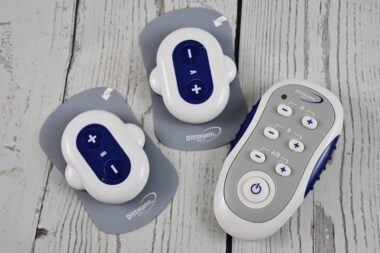
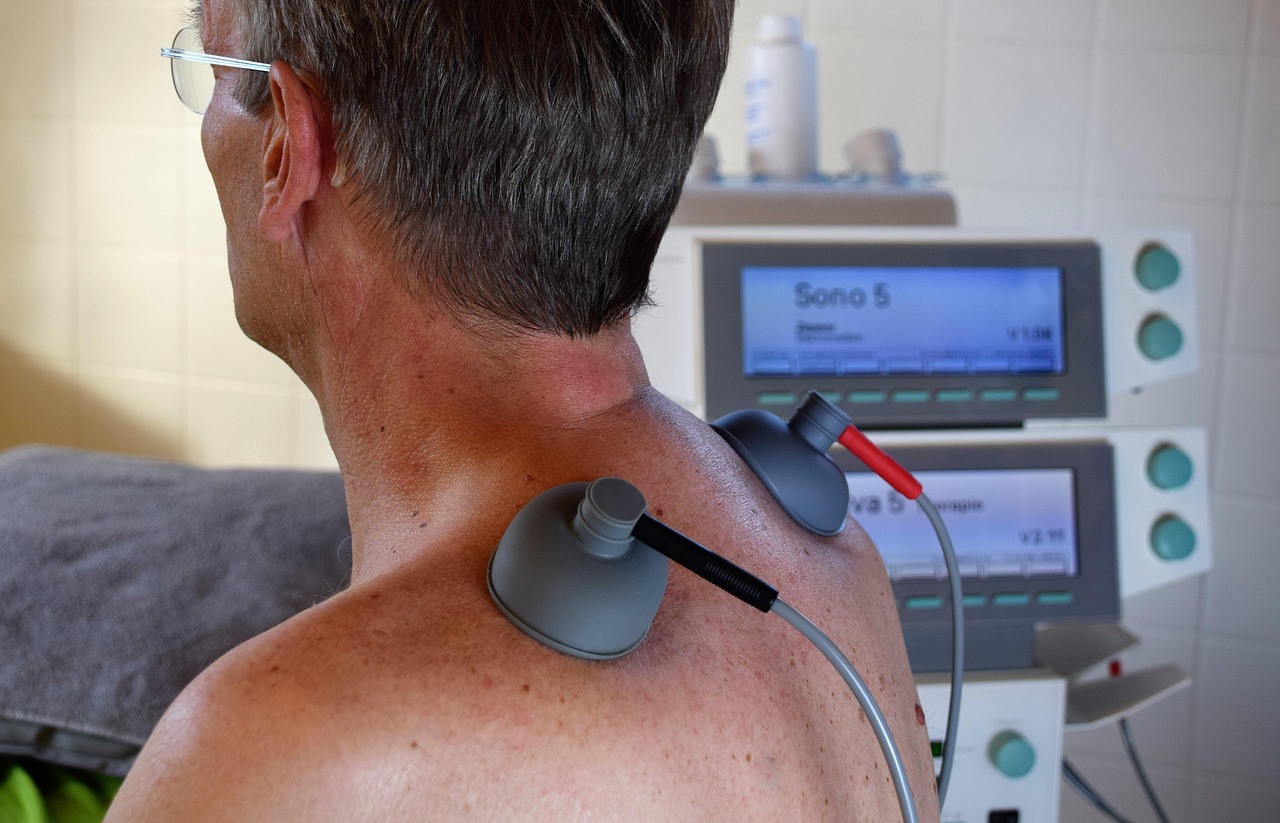
Beyond simple muscle preservation, electrical stimulation therapy profoundly impacts overall muscle performance. Enhanced muscle conditioning can lead to improved functional outcomes across various patient demographics. For individuals recovering from surgery or injury, this therapy optimizes rehabilitation efficiency through targeted muscle engagement. During sessions, electrodes are strategically placed on specific muscle groups, delivering controlled electrical impulses, triggering contractions that mimic voluntary movements. *This process generates muscle activity where voluntary efforts are compromised or impossible*, especially for individuals with neurological impairments. Research consistently highlights a dual benefit: maintaining muscle size while promoting improved neuromuscular connection and responsiveness. Electrical stimulation therapy provides a foundation for progressive exercises. Once patients regain some muscle function, they can transition toward more conventional rehabilitation practices, which can further enhance strength and endurance. Additionally, alongside preventing muscle atrophy, electrical stimulation can mitigate the risks of complications such as deep vein thrombosis during immobilization. With its comprehensive benefits, this therapy is an essential component within modern rehabilitation practices. It plays a vital role in ensuring patients achieve their rehabilitation goals and regain independence in activities of daily living.
Understanding the Mechanisms Behind Electrical Stimulation
The underlying mechanisms of electrical stimulation therapy are complex yet fascinating. By applying electrical impulses to muscle tissue, this therapy influences the excitation-contraction coupling process within muscle fibers. *Electrical impulses stimulate motor neurons*, resulting in muscle contraction and subsequent relaxation, mimicking natural muscle function. The resulting contractions promote physiological adaptations, which contribute to maintaining muscle size and strength. Importantly, the frequency and intensity of electrical stimulation can be fine-tuned according to individual needs, ensuring both safety and efficacy during therapy. Research has suggested that stimulation frequencies in the range of 20-50 Hz yield optimal muscle contractions. This frequency aligns closely with voluntary muscle activation during physical activities, providing a convincing argument for its therapeutic use. Furthermore, studies indicate that consistent application of stimulation can lead to increased mitochondrial biogenesis, elevated protein synthesis, and improved muscle fiber recruitment. Enhanced signaling within muscles promotes recovery while potentially preventing muscle loss during periods of inactivity. Thus, understanding these mechanisms sets the foundation for utilizing electrical stimulation as an effective strategy in rehabilitation and injury prevention settings.
As research progresses, the applications of electrical stimulation therapy continue to expand. Clinical trials explore its utility across various injury types, including sports injuries, post-operative recovery, and chronic conditions such as osteoarthritis. *The diverse patient populations targeted by these studies indicate a promising future for electrical stimulation therapy*. As a non-invasive treatment option, it offers versatility beyond traditional interventions, making it a desirable choice for practitioners and patients alike. Alongside muscle recovery, electrical stimulation has shown potential in pain management, further enhancing its appeal. *Incorporating this therapy could facilitate improved rehabilitation experiences*, ultimately reducing reliance on analgesics and invasive procedures in some cases. Furthermore, the integration of technology into electrical stimulation devices continues to evolve. Recent advancements enable programmability and remote monitoring, enhancing personalization in rehabilitation settings. The advent of mobile applications designed to accompany electrical stimulation devices also empowers patients to take an active role in their recovery journey. The combined synergy of technology and therapy fosters enhanced patient engagement, potentially leading to better adherence and outcomes.
Addressing Safety Considerations
Despite its numerous benefits, incorporating electrical stimulation therapy into rehabilitation programs necessitates attention to safety considerations. As with any therapeutic intervention, adverse effects and contraindications must be understood and managed effectively. *Common concerns include skin irritation or discomfort at electrode sites*, which may arise from improper contact or prolonged stimulation durations. Practitioners need to ensure proper electrode placement and skin preparation to minimize these risks. Additionally, certain medical conditions, such as epilepsy, pacemakers, or other implanted devices, may contraindicate the use of electrical stimulation. Comprehensive patient assessments, including a thorough medical history, are essential, guiding the appropriate use of therapy throughout individual rehabilitation plans. Continuous monitoring during sessions also plays a vital role in safely administering electrical stimulation. Practitioners must be aware of patients’ responses, adjusting settings accordingly to promote comfort and efficacy. As the understanding of electrical stimulation deepens, guidelines around its application are continuously evolving, which further enriches its safe practice. Enhanced training for healthcare professionals can significantly improve patient experiences and outcomes when utilizing this innovative therapy.
In conclusion, the role of electrical stimulation therapy in reducing muscle atrophy cannot be overstated. Its ability to stimulate muscle contractions without requiring voluntary effort makes it particularly advantageous for patients facing limitations. *This therapy not only preserves muscle mass but also enhances the overall effectiveness of rehabilitation*. Its applications range from improving performance in athletes recovering from injuries to aiding elderly patients in maintaining muscle function. As advancements continue to emerge within the field, it is essential for healthcare providers to incorporate evidence-based practices into standard rehabilitation protocols. Through focused training on electrical stimulation therapy’s benefits and techniques, healthcare professionals can optimize patient outcomes while mitigating the chances of muscle atrophy. Additionally, ongoing research will further elucidate the expansive potential of this therapy across diverse clinical scenarios, ensuring its sustained integration into rehabilitation methodologies. Ultimately, fostering collaboration between technology, therapy, and care frameworks is vital for maximizing the impact of electrical stimulation in rehabilitation and injury prevention. Embracing these innovative therapeutic approaches will pave the way for improved quality of life for countless patients.
The Future of Electrical Stimulation in Rehabilitation
The future of electrical stimulation therapy in rehabilitation looks promising, with technological advancements and ongoing research expanding its potential applications dramatically. Experts predict continued evolution in device design, making therapy more accessible to patients while enhancing treatment experiences. New electrical stimulation technologies paired with biofeedback mechanisms will allow individualized adjustments based on real-time muscle responses. Additionally, the integration with artificial intelligence and machine learning may usher in tailored rehabilitation programs adapted specifically to patient progress and needs. *This innovative approach could revolutionize traditional rehabilitation*, providing a dynamic and responsive treatment experience. Furthermore, increasing awareness of electrical stimulation therapy within the medical community may enhance its incorporation into multidisciplinary teams, strengthening collaborative efforts in patient care. As research expands on the efficacy and safety profiles of this therapy, establishing standardized protocols can ensure consistent and effective application. Ongoing partnerships among researchers, healthcare professionals, and device manufacturers are crucial for facilitating breakthroughs in electrical stimulation technology. As the field continues to grow, it will unlock new avenues in recovery strategies, potentially transforming rehabilitation practices across the healthcare landscape.
Electrical Stimulation and Its Role in Reducing Muscle Atrophy
Muscle atrophy is a common consequence of disuse, injury, or surgical interventions. Due to decreased activity, muscle fibers begin to shrink, and strength diminishes rapidly. Electrical stimulation therapy offers a promising approach to alleviate muscle atrophy, particularly when combined with traditional rehabilitation methods. This therapy utilizes electrical impulses to stimulate muscle contractions, enhancing blood flow and nutrient delivery to the muscle tissue. By mimicking the natural mechanisms that induce contraction during physical activity, electrical stimulation serves as a rehabilitation tool for patients unable to engage in typical exercise routines. *Numerous studies underline the efficacy of this therapy*, showcasing its ability to maintain muscle mass and prevent further atrophy. Particularly in populations such as the elderly or post-surgery patients, benefits become significantly apparent. Additionally, electrical stimulation can facilitate neuromuscular re-education, thereby supporting recovery of function during the rehabilitation phase. Careful consideration of protocols, such as stimulation intensity and frequency, is crucial for achieving optimal results. Integrating this therapy into a broader rehabilitation program can enhance outcomes and expedite recovery. Future research may uncover even broader applications and benefits across diverse patient populations.