
Importance of Iron in Volleyball Player Diets
Iron is an essential mineral that plays a critical role in the diets of volleyball players. It is crucial for transporting oxygen through the bloodstream and ensuring that muscles receive adequate oxygen during intense physical activity. Volleyball players require a well-balanced diet, rich in iron, to enhance performance and endurance. Research indicates that athletes often face a higher risk of developing iron deficiency due to increased physical demands. Incorporating iron-rich foods into their diet can significantly improve energy levels, reduce fatigue, and boost overall athletic performance. Foods such as lean meats, beans, spinach, and fortified cereals are excellent sources of iron. Furthermore, pairing these food sources with vitamin C can enhance iron absorption. The importance of monitoring iron levels cannot be overstated, as both excess and deficiency can lead to health complications. Regular check-ups with a nutritionist can help in maintaining optimal iron levels. Being proactive about iron intake will keep volleyball players at the top of their game and support long-term health. A well-rounded diet combined with hydration can create a strong foundation for achieving athletic goals.
Adequate iron levels are vital for maintaining endurance in athletes, particularly volleyball players. This sport demands high energy and coordination, making iron an integral part of performance. One key aspect of iron is its role in hemoglobin formation, which is important for oxygen transport in the body. Low iron levels can lead to a condition known as anemia, characterized by fatigue and decreased athletic performance. Coaches and trainers should encourage players to be aware of their iron intake and to choose foods that promote better iron levels. Young athletes, especially female players, should pay particular attention as they may require more iron due to menstrual losses. If players experience symptoms such as extreme fatigue or weakness, it is imperative they consult with a healthcare provider. Incorporation of iron into a training regimen should be discussed during team nutrition sessions. Overall, understanding the importance of iron not only enhances athletic capabilities but also contributes to the overall wellness of the players. Coaches should emphasize this component of nutrition in their training programs, ensuring all players understand the critical role iron plays in their diet.
Food Sources of Iron
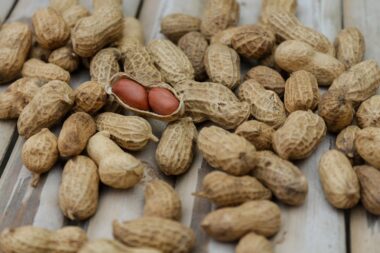
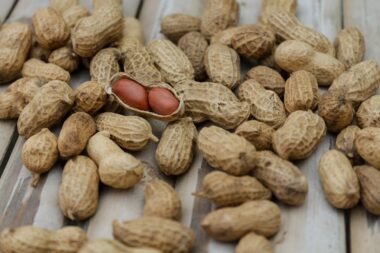
Volleyball players can obtain iron from various dietary sources. Animal-based foods provide heme iron, which is more readily absorbed by the body compared to non-heme iron found in plant-based sources. Some rich sources of heme iron include red meats, poultry, and fish. Alternatively, non-heme iron sources encompass lentils, tofu, chickpeas, fortified grains, and nuts. It is important for volleyball players to diversify their iron sources to meet their nutritional needs. Combining different food sources can promote better absorption of iron and maximizes its benefits. Consuming vitamin C-rich foods like citrus fruits, berries, and bell peppers alongside iron-rich foods can enhance non-heme iron absorption significantly. Being strategic about meal planning can ensure athletes receive enough iron to maintain peak performance. Smoothies can be a delicious way to combine fruits high in vitamin C with spinach or kale which are also iron-rich. Snacks such as trail mixes containing nuts and dried fruits can be beneficial for players on the go. Educating players about iron sources and effective combinations can catalyze improved performance and overall fitness.
Hydration is another important component alongside iron intake for volleyball players. Dehydration can impair performance and may intensify fatigue, especially when combined with low iron levels. Players should be instructed on the importance of maintaining adequate fluid intake throughout their training and matches. Both iron and hydration play a significant role in sustaining mental clarity and focus. Additionally, supplementing with iron should only be done after consulting a healthcare professional, as unnecessary supplementation can lead to toxic side effects. Not all players will require additional iron, making it essential to evaluate individual needs carefully. Nutritionists often recommend whole, nutrient-dense foods rather than relying solely on supplements. Whole grains, fruits, and vegetables can provide comprehensive nutrition to support iron levels. Players should be encouraged to keep track of their dietary intake and identify patterns over time. This awareness helps players make informed dietary choices that boost both their iron levels and hydration status. It will help them to adapt and design effective nutritional strategies for their training.
Signs of Iron Deficiency
Recognizing the signs of iron deficiency is crucial for volleyball players aiming to maintain optimum performance. Common symptoms include chronic fatigue, weakness, and decreased concentration during games. Players may also experience shortness of breath, dizziness, or pale skin, which can all indicate low iron levels. These symptoms can be disruptive during competitive play and practice. It’s key for athletes to be proactive about monitoring their health. Regular blood tests can help identify iron deficiency or anemia early on. Coaches should consider discussing signs of deficiency during training sessions to enhance team awareness. Creating an environment where players feel comfortable speaking about nutritional concerns is necessary for their overall success. Players must report any symptoms promptly to allow for proper evaluation. Ultimately, understanding these signs can lead to better nutritional adjustments and ensure players remain healthy and competitive. Comprehensive education on nutrition will not only empower athletes but will also assist teams in developing effective strategies that prioritize performance enhancements. Awareness and education can dramatically improve an athlete’s long-term health outcomes as well.
To avoid iron deficiency, volleyball players should consider regular dietary assessments. Keeping a food diary can provide insights into iron intake levels and help identify areas for improvement. Alongside nutritional adjustments, implementing a balanced diet that includes variety is essential. Athletes should consult with nutritionists regularly to tailor their dietary plans according to their specific needs. Adequate iron intake coincides with training intensity; therefore, as training ramps up, certain modifications in diet may be necessary. Players might need to increase their iron consumption on match days, incorporating meals that are rich in iron beforehand. Foods such as iron-fortified cereals, dark chocolate, and legumes can act as quick energy boosters leading up to competitions. This focused approach to nutrition will ensure that all athletes receive the necessary supplements for peak performance and recovery post-game. Additionally, integrating nutrition education into training programs can have lasting positive effects. Engaging players in discussions about their diets can facilitate a better understanding of their unique needs. Overall, holistic dietary strategies can propel volleyball players toward achieving their health and performance goals.
Conclusion
In summary, iron represents a fundamental component of a volleyball player’s diet. Understanding its importance can significantly contribute to performance, endurance, and overall wellbeing. It is clear that adequate iron levels are needed for athletes facing the demands of volleyball. Players must educate themselves on their nutritional requirements and adopt strategies to ensure sufficient iron intake. Coaches and trainers have a pivotal role in supporting their teams by promoting these vital dietary components. Creating awareness regarding iron-rich foods and dietary practices can enhance the effectiveness of training and game performance. Regular screenings and individualized nutrition plans must be established to assist in maintaining optimal health. Ultimately, being proactive about nutrition leads to improved outcomes for players. Ensuring accessibility to quality diet information can empower volleyball players on their journey toward athletic excellence. By continuously addressing the role of iron in nutrition, we can cultivate stronger, healthier, and more resilient volleyball athletes in all levels of competition. Education and proactive health management will ensure players achieve their highest potential.
Volleyball players who focus on their nutrition, particularly iron intake, will likely find themselves reaping the benefits during competition. A well-rounded diet, combined with adequate hydration and monitoring of iron levels, can be the key to enhanced performance on the court. As competition grows more intense, understanding nutritional elements like iron will provide players with that extra edge. By making informed dietary choices, athletes can build a solid nutritional foundation, setting them on the path for sustained success and injury prevention. Iron plays a fundamental role in muscle function, metabolism, and energy production; thus, proper intake cannot be overlooked. Cultivating a team culture that emphasizes health and nutrition will not only improve individual performance but will benefit the entire team. Engaging in discussions surrounding nutrition helps to entrench healthy habits among players. Ultimately, iron serves as a critical nutrient contributing to the physical demands volleyball players face, and ensuring its adequate levels may hold the key to unlocking their full potential.