
Injury-Specific Sports Massage Approaches
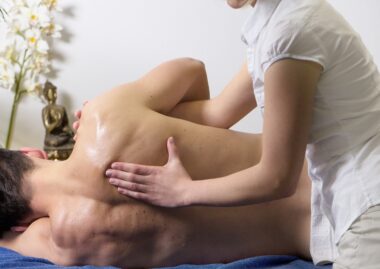
Sports massage therapy has gained popularity due to its effectiveness in treating injuries incurred during athletic activities. Athletes often experience muscle soreness, strain, or injury, which can hinder performance and recovery. This form of therapy goes beyond relaxation, addressing specific injuries with targeted techniques. One popular approach is deep tissue massage, designed to relieve chronic muscle tension and improve blood circulation. By using slow, deep strokes, therapists can alleviate pain and promote healing. Trigger point therapy is another essential technique that focuses on specific tight areas in muscles, known as trigger points. This approach helps reduce localized pain and tightness, enhancing overall muscle function. Another effective method is myofascial release, which targets the fascia or connective tissue surrounding muscles. This treatment helps restore mobility and decrease discomfort. Whether an athlete suffers from tennis elbow, runner’s knee, or lower back pain, these techniques vary in application, providing tailored treatment to individual needs. Collaboration between athletes and skilled therapists ensures effective methods are employed, speeding recovery and enhancing performance in the long run. Exploring these specific sports massage approaches can bring significant benefits to athletes across varying disciplines.
Common injuries such as sprains and strains are prevalent among athletes, impacting their ability to perform. The right massage therapy not only aids in recovery but also prevents future injuries. For instance, for muscle strains, therapists often employ friction techniques, accelerating the healing process by increasing blood flow to the affected area. Following soft tissue injury, therapeutic massage helps in reducing swelling and promoting lymphatic drainage. In the case of joint injuries like patellar tendonitis, sports massage can alleviate pain and tension surrounding the knee. Techniques such as cross-fiber friction are beneficial for this injury. Additionally, sports massage helps in increasing joint range of motion, which is crucial for athletes seeking to regain their competitive edge. Understanding the mechanics of each injury type is essential for therapists, ensuring they design a personalized recovery plan. Education on injury prevention is equally vital, as it empowers athletes to adopt proactive measures. The incorporation of stretching and strengthening exercises along with sports massage can significantly reduce the likelihood of future injuries. Proper knowledge and application of these approaches enhance athletic performance while supporting long-term health and well-being.
Tailoring Techniques for Optimal Recovery
Each athlete’s experience with injury can vary greatly, hence the massage approach should be customized to suit individual needs. For acute injuries, such as a muscle tear, immediate treatment with a gentle technique, such as lymphatic drainage, is vital. This helps to dissipate swelling and encourages quicker recovery. Once the acute phase subsides, transitioning to deeper techniques like deep tissue massage can promote healing of damaged tissues. For chronic conditions, a consistent therapy schedule is essential, often requiring regular attendance. For example, athletes suffering from recurrent back pain may need a strategic combination of massage techniques to maintain function and flexibility. This includes soft tissue mobilization and stretching techniques to gradually restore movement and decrease discomfort. It is crucial for sports massage therapists to continually assess the athlete’s condition throughout their recovery process. This adaptive strategy ensures the athlete receives appropriate care while adjustments are made as healing progresses. Moreover, listening to the athlete’s feedback enables therapists to modify interventions effectively, leading to a more beneficial partnership that improves recovery time and performance stability.
The integration of rehabilitation exercises alongside massage therapy creates a comprehensive treatment program. This combination enhances recovery outcomes, allowing athletes to regain strength and mobility effectively. After sports massage, therapists often recommend specific exercises to reinforce the muscles treated during the session. These exercises are designed to target specific areas, enhancing functional strength and reducing re-injury risk. For example, following treatment for ankle sprains, therapists might employ balance and proprioception exercises. These target the stability of the ankle joint, aiding in full recovery. Furthermore, education around proper body mechanics enhances an athlete’s awareness while they engage in sports or physical activity. Understanding their body’s signals can help athletes make informed decisions when returning to training regimens. Massage can also complement physiotherapy interventions, combining hands-on treatment with movement-based therapies. This synergistic approach reinforces rehabilitation goals and accelerates the path to full recovery. Athletes will benefit from diversified methods that encompass both relaxation and restorative techniques which lead to improved athletic performance over time. Building a robust foundation of strength is essential for effectively preventing injuries in the long run.
Factors Influencing Sports Massage Effectiveness
Several factors play a critical role in the effectiveness of sports massage therapy, significantly impacting an athlete’s healing journey. Timing of the therapy is crucial; immediate post-injury massage can prevent stiffness and promote circulation. Conversely, applying massage too soon might exacerbate inflammation. Each individual athlete’s response to therapy also varies, influenced by their unique injury and recovery dynamics. Age and overall fitness levels can dictate how effectively an athlete benefits from massage therapy. Younger athletes may recover more swiftly than older adults, necessitating a tailored approach. Additionally, psychological factors also come into play; stress and anxiety can inhibit recovery, and massage has proven beneficial in alleviating these feelings, promoting a more holistic healing process. Nutrition and hydration levels further influence recovery rates from injuries. Proper nutrient intake supports muscle recovery, while hydration aids in overall physical performance. To maximize outcomes, combining massage therapy with other healing modalities ensures a comprehensive approach is taken toward recovery. Continuous education and awareness are key components for athletes engaging with their recovery journey. Understanding how each factor affects recovery can lead to better decisions and, ultimately, faster progress.
Finally, the importance of selecting a qualified and experienced sports massage therapist cannot be understated. Their expertise influences the quality of care provided, directly impacting an athlete’s recovery. Athletes should seek therapists who specialize in sports-related injuries, ensuring they receive the most appropriate care. A well-trained therapist assesses each injury and tailors treatment accordingly. They may also incorporate techniques from various therapies to address comprehensive health needs. Open communication between the therapist and athlete is essential, allowing for adjustments based on feedback and performance. Tracking progression during therapy is vital, with regular assessments to monitor improvements. Keeping a consent record and collecting feedback after sessions aids therapists in refining their methods. Additionally, developing a collaborative treatment plan between the therapist, athlete, and coaches ensures alignment in recovery objectives. This partnership establishes trust and accountability, ensuring all involved parties remain focused on the same healing goals. As athletes continue to participate in more demanding sports, the need for specialized massage techniques is evident. By understanding the value of injury-specific approaches, athletes enhance their chances of recovery while minimizing the likelihood of re-injury.
The Future of Sports Massage Therapy
The evolution of sports massage therapy continues as new techniques and research findings emerge. Ongoing advancements are set to transform the traditional methods used today, promising greater precision and effectiveness in treating athletic injuries. Innovations such as the increased integration of technology in sports therapy provide essential support for therapists. For example, the use of biofeedback devices can assist athletes in understanding muscle responses during massage, enhancing the therapy quality. Advances in targeted treatment modalities, such as vibration therapy or instrument-assisted soft tissue mobilization, provide novel ways to treat injuries while reducing discomfort. These technologies offer therapists additional tools to optimize recovery protocols. Moreover, as the importance of mental health in sports becomes more recognized, therapies focusing on the mind-body connection will likely flourish as well. Addressing psychological factors alongside physical treatment enhances overall recovery. Future training for therapists may also emphasize interdisciplinary collaboration, promoting teamwork between physical therapists, trainers, and massage practitioners. This integrated care model supports athletes holistically while ensuring faster, more robust recovery outcomes. As demand for sports massage therapy grows, continuous professional development in the field will become increasingly important.
In conclusion, injury-specific sports massage approaches present a promising avenue for effective management among athletes. By understanding the variety of techniques available, tailored to specific injuries, athletes can better navigate their recovery journeys, ensuring they return to their sport robustly and competitively. Emphasizing the importance of collaboration with skilled therapists can empower athletes, improving not only performance but also longevity in their sporting careers. As awareness of the benefits of sports massage therapy continues to rise, more individuals will turn to these modalities for prevention and treatment. The future of sports massage therapy appears bright, with innovations and continued research paving the way for improved outcomes. The integration of injury-specific approaches into comprehensive athletic care plans will benefit countless athletes as they strive for excellence. Fostering a culture of proactive injury management encourages healthy practices among athletes, setting standard procedures for addressing sports-related injuries. Ultimately, trusting the process, remaining committed to personalized care, and understanding the role of effective sports massage can lead to enhanced performance, resilience, and enjoyment in athletics. With these insights, athletes can confidently approach their training while ensuring their well-being remains a priority.