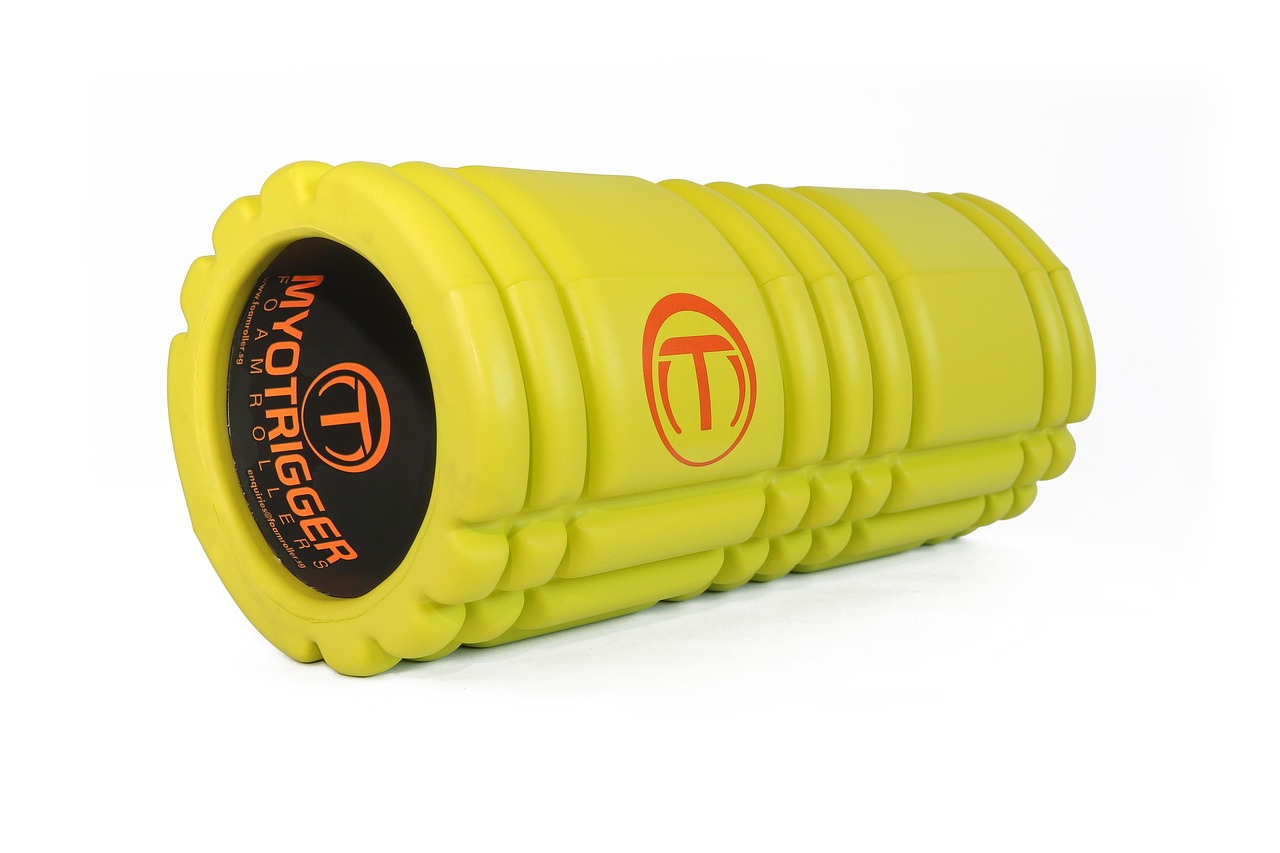

The Benefits of Myofascial Release in Physical Therapy
Myofascial release (MFR) is a hands-on technique designed to relieve tension in the fascia, the connective tissue surrounding muscles throughout the body. This therapy is especially beneficial in physical rehabilitation settings, where patients often struggle with stiffness and soreness following injury or surgery. Fusiform and irregular movements may be restricted, leading to a painful lifestyle. By targeting the fascia and utilizing gentle pressure, myofascial release can help restore flexibility and improve mobility significantly. As a patient undergoes this treatment, they may experience a more profound sense of relaxation, which can also enhance their overall well-being. Furthermore, MFR can stand alone or be integrated into other physical therapy practices, making it a versatile tool for health practitioners. It’s essential to note that for those suffering from chronic pain or fibromyalgia, myofascial release can provide relief where traditional methods might fail. Patients report improvements in their quality of life and overall function. Engaging in myofascial release treatments can accelerate recovery times, offering a holistic approach to pain management and rehabilitation.
Improving Flexibility Through MFR
One of the most immediate benefits of myofascial release is the enhancement of flexibility. When fascia becomes restricted due to overuse, injuries, or postural issues, it can hinder movement, limit range of motion, and lead to discomfort. By using specialized techniques, practitioners can target specific fascial restrictions, ensuring a more comprehensive release of tension. This, in turn, significantly benefits athletic performance, allowing individuals to achieve better results in their activities. Regular sessions can not only expedite recovery times between workouts but also prevent future injuries. Stretching alone may not always address these Myofascial restrictions effectively, which is where MFR comes into play. In tandem with a structured stretching program, myofascial release helps to create lasting flexibility improvements. It also promotes blood flow, which supports muscle recovery and health. Physical therapists often recommend myofascial release as part of a holistic approach to maintaining flexibility across various age groups and activity levels. When addressing mobility issues, this technique can elicit profound effects, encouraging improved physical function and overall agility.
In addition to improving flexibility, myofascial release offers significant benefits related to pain management. Many individuals suffer from chronic pain that arises not solely from muscle strain but also from fascia’s tense and restricted nature. By addressing these underlying issues, MFR can effectively alleviate long-standing discomfort. Through the application of sustained pressure, patients often experience therapeutic responses that promote relaxation and reduce tension in the muscles surrounding affected areas. It is crucial for physical therapists to assess their client’s needs accurately and design tailored treatment plans that integrate MFR. As a result, these treatments can become a cornerstone of pain management strategies. Moreover, studies suggest that myofascial release can support enhanced neuromuscular function, improving overall sensory responses and preventing further injuries. This aspect is vital for athletes and physically active individuals who rely on optimal performance levels. Therapeutic benefits from MFR often lead to a decrease in medication reliance, enhancing patients’ quality of life. As a result, individuals can engage fully in everyday activities, free from the limitations imposed by pain and tension.
MFR and Stress Reduction
Emotional and psychological aspects of wellness are crucial considerations in a comprehensive treatment plan. While focusing on the physical body, myofascial release also encourages significant mental relaxation. As individuals unwind during MFR sessions, they often enter a state of deep relaxation that can mitigate stress levels. This holistic approach has profound implications for mental health and emotional well-being, making MFR a valuable tool in various therapeutic settings. The body’s stress response can lead to increased muscle tension and discomfort, perpetuating a vicious cycle of pain. Through the gentle stretching and release techniques of MFR, patients frequently leave feeling more relaxed, both mentally and physically. Many therapists encourage the integration of breathing exercises during myofascial release treatments to enhance relaxation further. This method promotes mindfulness, allowing clients to connect with their bodies and feelings. Regular MFR sessions can contribute to a calmer mindset and offer tools for managing anxiety and emotional upheaval. In this way, myofascial release functions not just as a physical therapy method but as a journey toward comprehensive wellness.
Another critical advantage of myofascial release is its ability to enhance blood circulation. Improved circulation is paramount for delivering oxygen and nutrients to the tissues while aiding in the removal of metabolic waste products. Myofascial release techniques stimulate blood flow, allowing practitioners to apply gentle pressure on specific areas of the body, creating a dignified cascade of beneficial effects. Enhanced circulation can lead to faster healing, reduced swelling, and diminished discomfort for patients. This is particularly important in rehabilitation settings, where tissue repair is essential after injury or surgery. Many clients have noted significant improvements in their recovery timelines following consistent myofascial release sessions, making it a valuable addition to physical therapy practices. Furthermore, increased circulation can contribute to a greater sense of vitality and energy. As patients experience less pain and improved freedom of movement, they often find themselves more engaged in daily activities. This enhanced engagement contributes positively to mental health, creating a cycle of well-being that reinforces the importance of myofascial release in holistic medical approaches.
Integrating MFR into Physical Therapy
As physical therapy evolves, integrating myofascial release into treatment plans becomes increasingly critical. Not all therapies suit every patient, but MFR provides a versatile approach to addressing various physical issues. Physical therapists can customize their treatments by blending myofascial release techniques with other modalities such as stretching, strengthening, and manual therapy. This integrative approach is particularly effective for individuals with complex pain syndromes or injuries. Providing patients with a range of therapeutic options ensures a more tailored experience that responds to their unique needs. Moreover, the multi-faceted nature of MFR allows practitioners to address both the physical and emotional aspects of healing. For conditions like fibromyalgia and chronic tension headaches, incorporating myofascial release can help alleviate discomfort while also addressing the mental stress associated with these conditions. Physical therapists often stress the importance of building rapport with patients to gauge the appropriate balance of treatments effectively. As a result, a practitioner well-versed in myofascial release can significantly broaden the scope of their physical therapy offerings.
Finally, while the myofascial release technique may not be widely recognized, its benefits are hard to ignore. Research continues to emerge showcasing its effectiveness in a variety of settings. Many practitioners advocate its use among athletes, those with chronic pain, and individuals looking to improve their general flexibility. As awareness increases, the demand for qualified therapists skilled in myofascial release is likely to rise. Patients seeking relief and expanded mobility will increasingly turn to professionals who integrate this valuable approach into their practices. With proper education and outreach, physical therapists can ensure that myofascial release is adopted to its fullest potential. The future of physical therapy remains bright, with myofascial release poised as a key player in facilitating long-term healing and functional improvement. In conclusion, incorporating myofascial release into a physical therapy protocol offers numerous advantages. It promotes not only physical healing but also addresses emotional well-being, making it a vital component in achieving comprehensive health.