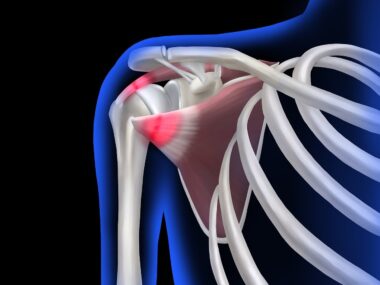

The Importance of Warm-Up in Preventing Shoulder Strains
Warm-up exercises are essential in sports, particularly for athletes engaged in overhead activities like baseball, swimming, or tennis. Adequate warm-up routines specifically targeting the shoulder muscles can significantly reduce the risk of strains and injuries. Many athletes overlook this vital component of their training, focusing solely on skills and performance improvement. By implementing a structured warm-up regimen, athletes can enhance blood flow to the shoulder area, which prepares the muscles and tendons for more strenuous activities. Increased blood flow leads to improved flexibility and range of motion, thereby minimizing the potential for discomfort or injury during performance. A thorough warm-up should include dynamic stretches, mobility drills, and sport-specific movements. Recognizing the impact of a proper warm-up on overall performance can motivate athletes to commit to these routines. The effectiveness of warm-ups is backed by numerous studies indicating a direct correlation between warm-up completion and reduced injury rates. Athletes are encouraged to integrate these exercises into their daily training schedules for optimal results. Understanding the importance of a good warm-up is crucial for sustaining athletic longevity.
Incorporating dynamic stretching techniques into the warm-up process can enhance shoulder mobility and stability. Dynamic stretching involves the active movement of muscles that helps improve flexibility and prepare the body for intense activity. For shoulder stability, exercises like arm circles, shoulder rolls, and torso twists can be beneficial. These movements help activate the rotator cuff muscles, which play a vital role in shoulder function. Additionally, engaging in sport-specific drills that mimic movements performed during the activity can serve as a functional warm-up. Athletes engaging in swimming might benefit from swim strokes, while those in tennis can practice their swings. Furthermore, paying attention to any discomfort during warm-ups is critical. If a specific movement causes pain, it may signal a pre-existing condition or an approach that needs to be modified. Ignoring such signals may lead to serious injuries. It’s essential for athletes to communicate with coaches and trainers regarding their warm-up experiences so adjustments can be made as needed. Cultivating an environment that prioritizes warm-up routines supports injury prevention and enhances overall performance throughout the competitive season.
Proper warm-up must also address individual needs and cater to personal fitness levels. Each athlete’s body is unique, and their warm-up routines should reflect their specific requirements. For instance, younger or less experienced athletes might require longer warm-up periods to prepare their bodies adequately. Coaches should customize warm-up exercises to fit the team’s or individual’s conditions. Furthermore, it is crucial to educate athletes about the physiological benefits of warming up. Understanding how increased heart rate and circulation can impact performance positively will encourage adherence to warm-up protocols. Athletes who grasp the advantages of warming up are more likely to integrate it into their routines consistently. Continuous participation in warm-up exercises can also contribute to long-term muscular endurance and strength. By making warm-up a habitual practice, athletes not only reduce the likelihood of shoulder strains but also improve overall performance metrics. Participation in these exercises should be viewed as an investment in physical health rather than an optional prelude to training. With time, athletes can develop effective habits that prioritize injury prevention through diligent warm-up implementation.
Monitoring Warm-Up Effectiveness
Monitoring the effectiveness of warm-up routines is essential for continuous improvement and injury prevention. Athletes should keep track of how their bodies respond to various warm-up activities. Noting changes in performance, comfort levels, and flexibility can provide valuable insights into what works best for them. Additionally, trainers and coaches should observe athletes during warm-up sessions to assess their technique and engagement. This feedback is vital for making necessary adjustments to ensure optimal results. Gathering data on injury occurrences in relation to warm-up practices can also inform future decisions. Coaches can analyze patterns and identify which routines lead to fewer injuries over time. Sharing this data with athletes can reinforce the importance of sticking to effective warm-up regimens. Incorporating technology such as fitness trackers can make monitoring easier and provide real-time feedback. With the right tools, athletes can measure their heart rates and body responses during warming sessions. By capturing insights through consistent monitoring, athletes can adapt their warm-up strategies, find personal preferences, and ultimately reduce the risk of shoulder injuries.
Nutritional support is another vital aspect that complements warm-up strategies. A well-balanced diet rich in essential nutrients can enhance muscle performance during training and competitions. Hydration plays a crucial role in preparing the body for activity and recovery afterward. Athletes must drink enough water before engaging in any physical exercise, as dehydration adversely affects muscle function and increases the risk of injury. Nutrients such as proteins, carbohydrates, and healthy fats contribute to muscle health by providing energy and aiding the recovery process after intense workouts. Additionally, certain supplements may help in improving flexibility and strength, contributing to a more effective warm-up. Consulting with a sports nutritionist can help athletes devise a nutrition plan tailored to their training needs. Implementing a comprehensive approach that combines effective warm-up routines with proper nutrition can create a solid foundation for injury prevention. Athletes who maintain a focus on their overall well-being will likely see a decline in shoulder strains and improvements in performance during competitions. Adopting synergistic practices is essential for real gains in muscle health and physical fitness.
Conclusion and Long-term Strategies
In conclusion, proper warm-up routines play a significant role in preventing shoulder strains among athletes. The benefits of warm-ups are evident in improved performance and reduced injury rates. Developing a well-rounded approach that encompasses dynamic exercises, personalized training, and adequate nutrition is vital for sustained athletic success. Coaches, trainers, and athletes must work together to continually evaluate and adapt warm-up strategies effectively. Athletes can enhance their performance, longevity, and health by fostering an understanding of their unique physical needs and challenges. Regularly assessing each athlete’s warm-up routine ensures that it remains effective and tailored. Long-term strategies, including tracking progress and customizing exercises, can help athletes maintain their physical health over time. Ultimately, investing in warm-up routines is an essential aspect of sports medicine that can significantly influence athletic performance. By continually striving for improvement and acknowledging the critical connection between warm-ups and injury prevention, sports professionals can cultivate a safer and more effective sporting environment. Building a culture that prioritizes health and safety will positively impact athletes’ careers and wellbeing.
As we embrace the importance of warm-ups in the sporting arena, we invite athletes, coaches, and sports enthusiasts to share their experiences and tips. An open dialogue can promote best practices and encourage a culture of injury prevention and awareness. For those newly entering the athletic field, it’s essential to emphasize the significance of warm-ups right from the start. Coaches should instill this habit early, helping athletes recognize the value it holds for their performance and health. Engaging with fellow athletes about their warm-up routines can lead to valuable exchanges of information that benefit everyone involved. Sports communities can create workshops and events centered on proper warm-up techniques and the latest research in sports medicine. Educational initiatives can empower athletes with the knowledge they need to optimize their training and safeguard their shoulders from injury. Through collaboration and education, we can create a supportive network committed to prolonging athletes’ careers and enhancing their accomplishments in sports. By fostering an environment that values and promotes effective warm-up practices, the likelihood of shoulder strains can be significantly reduced.