
Training Volleyball Players to Use Effective Communication Under Pressure
Effective communication is essential in volleyball, especially during high-pressure situations, where players must quickly convey vital information. Training should focus on developing both verbal and non-verbal communication techniques. Effective communication enhances team coordination and fosters a supportive environment. Players can improve their communication by practicing calls for plays, signaling intentions, and emphasizing active listening. Building a strong foundation in communication can greatly influence overall performance on the court. Coaches should conduct drills that encourage open dialogue, critical feedback, and team discussions to foster communication skills. Also, integrating situational drills where players must respond to varying levels of pressure can simulate real-game scenarios. Role-playing various in-game communication situations can help players learn to adapt their communication styles during stress. Over time, these strategies create an environment where players feel comfortable expressing themselves and consulting teammates. Moreover, regular video analysis sessions can serve as an effective tool for reviewing communication patterns, facilitating discussions about improvements. Ultimately, communication is not just about talking but also about creating trust and understanding among teammates, fundamental aspects in any successful volleyball team.
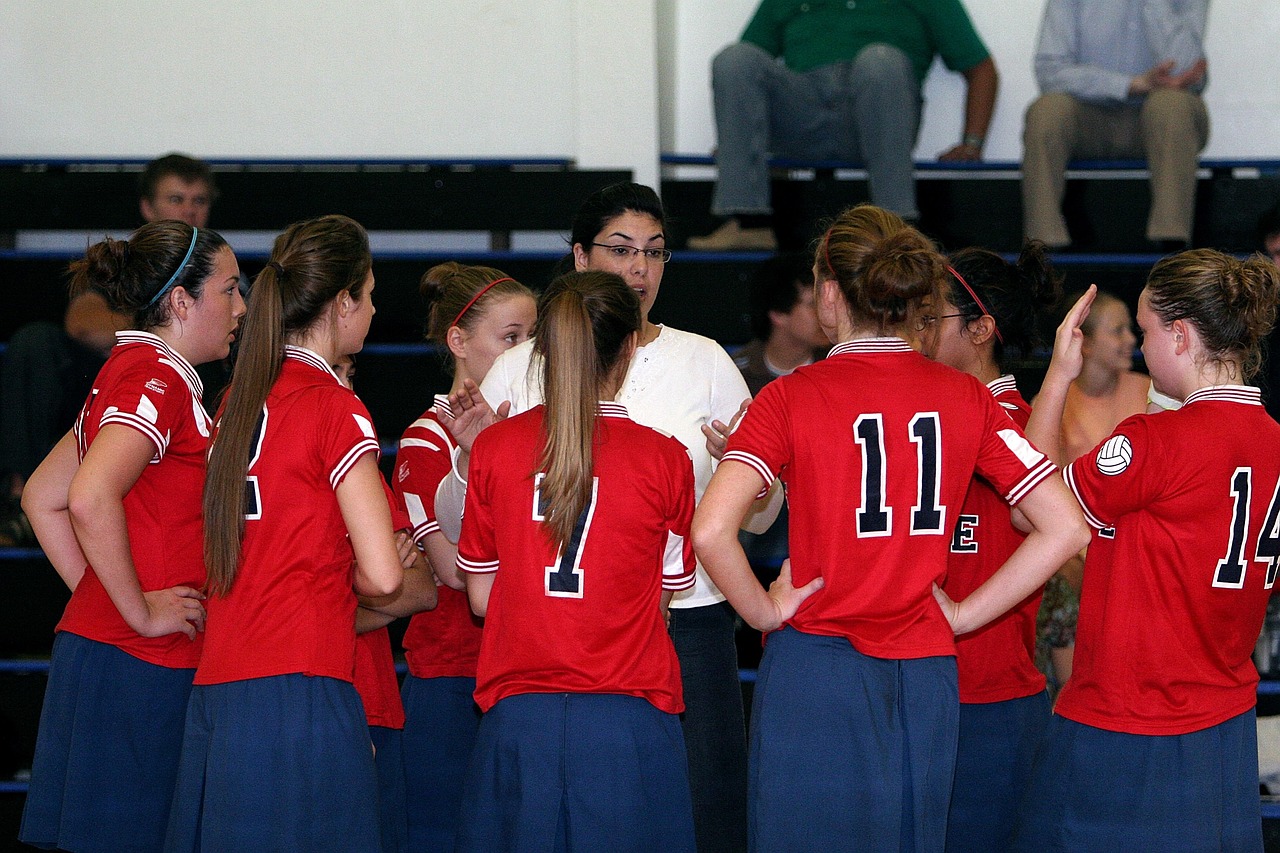
One significant aspect of effective volleyball communication is clarity. Players must use short and precise calls to avoid misunderstandings during fast-paced play. Training exercises should include focused drills that emphasize clean communication pathways, such as calling for the ball and alerting teammates of defensive plays. Vocal drills can help players amplify their voices and articulate their messages more effectively. Additionally, non-verbal cues are also important; players can develop unique hand signals or gestures to communicate during chaotic moments. Incorporating games that require strict use of these signals can enhance understanding among players. Pairing effective communication with strategic thinking allows the team to react proactively rather than reactively. Interactive role-playing scenarios can assist in this area, prompting players to think on their feet and react to various game situations without verbal communication. Peer feedback sessions can boost confidence and improve skills in giving and receiving messages. In structured practice sessions, players should rotate roles to experience different perspectives, enhancing their communication abilities and learning to trust their instincts. Team huddles at regular intervals can further reinforce clear communication strategies, thus cultivating camaraderie and synergy.
A crucial element in enhancing communication during matches involves developing a common language. Coaches should initiate discussions on standard terminologies and signals that players can consistently use throughout the season. This common language creates unity and ensures that team members understand each other swiftly during intense moments. Initiating training sessions focused on defining team-specific calls can facilitate adaptability. The challenges presented in matches may demand more than just standard terms; therefore, athletes should be encouraged to contribute to developing this vocabulary. Players can also practice developing spontaneous reactionary calls during pressure situations to enrich their communication toolkit. Regularly practicing these terms makes them second nature, improving real-time communication flow. Another effective technique is to perform post-game meetings where teams review the effectiveness of their communication strategies. Such reflections allow teams to analyze areas for improvement and reinforce successful tactics. Coaches can also incorporate technology, such as apps or communication devices, to help players stay updated on strategies. Therefore, fostering a rich vocabulary and constantly refining communication skills will enormously benefit the team’s performance.
Non-Verbal Communication Techniques
Non-verbal signals are just as crucial as verbal communication in the realm of volleyball. Players should learn the importance of body language, which can convey confidence or assist in signaling intentions without uttering a word. An emphasis on posture, eye contact, and facial expressions can significantly impact the way teammates interpret messages. During practices, coaches should create scenarios that necessitate reliance on non-verbal cues. For example, drills can be structured to replicate conditions where players forget to utilize verbal communication, thereby pushing them to rely on body language more. Educating players about the impact of their non-verbal cues can increase overall team awareness, leading to improved dynamics during plays. Regular assessments of team body language can also be beneficial. Encourage players to critique one another’s non-verbal communication during scrimmages. Using video analysis can highlight instances where players misinterpret signals, fostering discussions on improving non-verbal skills. Players should also practice maintaining eye contact with teammates during fast-paced action. As these skills develop, players will grow more adept at communicating dynamically under pressure, enhancing team unity and performance.
Practice scenarios focusing on pressure situations not only improve communication but also enhance resilience within the team. Players should be encouraged to embrace challenging drills motivated by instilling teamwork and mutual support. Teams can integrate pressure drills that require quick decision-making and communication, such as timed scrimmages or competitive relay races. Evaluating player responses and interactions during these drills fosters constructive feedback loops among team members. Coaches must observe how well players communicate under stress and adapt training sessions accordingly. Incorporating mental training techniques focused on managing pressure can also assist players in maintaining composure. Visualization techniques can help players prepare for match scenarios involving high pressure, promoting proactive communication during games. Practicing mental resilience alongside physical drills prepares players explicitly for the challenges ahead. Regular team bonding exercises can enhance trust among teammates, which is vital for seamless communication. As trust builds, players can engage more openly, expressing their thoughts and concerns effectively. Therefore, identifying challenges, establishing boundaries, and encouraging transparency will allow teams to thrive and communicate efficiently in any situation.
Feedback Mechanisms
Establishing consistent feedback mechanisms is a cornerstone of improving communication within volleyball teams. Players should feel secure in sharing feedback about communication strategies and execution. Regular check-ins can promote open discussions to evaluate the relevance of communication during training and matches. Encouraging players to offer constructive criticism cultivates an environment where clear communication is continuously reinforced. Team meetings can serve as platforms for discussing communication successes and pitfalls, enhancing accountability. Fostering a culture of feedback enables players to recognize their strengths and identify areas for improvement. Furthermore, seeking feedback might help relieve performance pressure, leading to more freedom in communication. Coaches can leverage technology such as video recordings to analyze not only gameplay but also communication efficiency. Highlighting clips that showcase successful communication can motivate players and provide a reference for future adjustments. Structured peer feedback sessions can also play a significant role in reinforcing team communication norms. Ultimately, ongoing feedback is paramount for adherence to effective communication practices, reinforcing a team ethos and emphasizing the significance of connecting under adversities.
In conclusion, effective communication is pivotal in volleyball training, particularly under pressure. Cultivating this skill transforms teams, elevating their performance levels and fostering a positive atmosphere. Setting clear expectations during practice will ensure athletes understand the importance of communication. Coaches can incorporate drills focusing on both verbal and non-verbal skills to maximize communication potential. Regular evaluations and adaptations of these techniques will promote continuous growth. Team huddles and collective discussions will further solidify communication participation among all members. Encouraging players to develop both their communication strengths and identify weaknesses is an essential part of their training. Additionally, using technology for analysis can enhance their performance evaluation processes. Experience and practice will help athletes become more adept in communicating, leading to better on-court synergy and trust. As players gain confidence in their ability to share messages clearly, team dynamics improve significantly, resulting in more effective responses during crucial moments. Ultimately, fostering effective communication equips volleyball players with the tools necessary to thrive under pressure, paving the way for sports success and overall personal growth.