
Essential Travel & Fitness Gear for Mountain Climbing
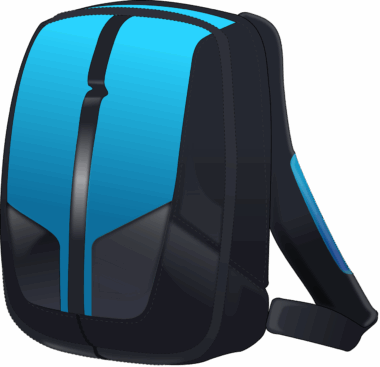
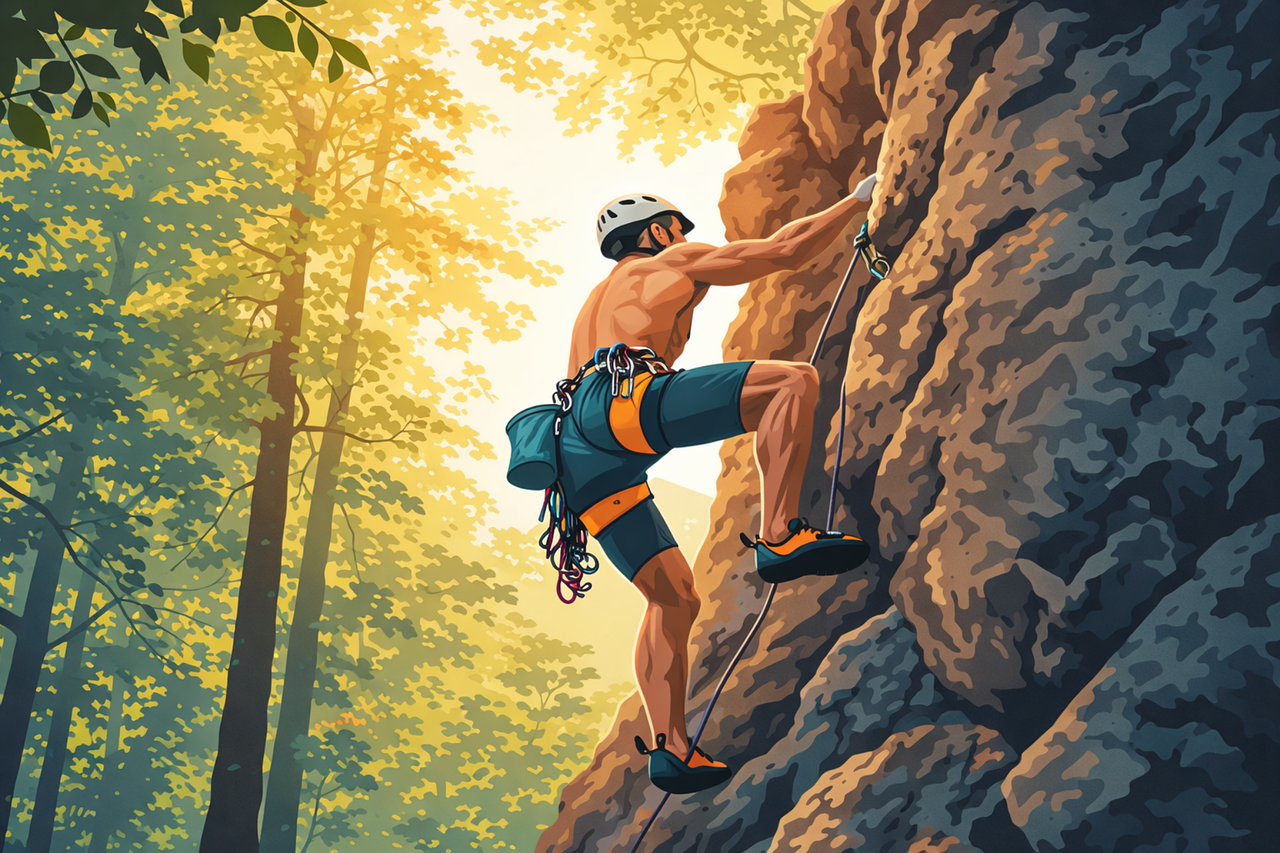
When planning for a mountain climbing adventure, having the right gear is crucial for safety, comfort, and performance. The first item to consider is a quality pair of climbing shoes, which can dramatically improve your grip on various terrains. A good harness is also essential, ensuring not only your safety but also your comfort while climbing. Beyond footwear and harnesses, a robust helmet will protect your head from falling debris. Equally important is choosing the appropriate clothing. Layering is key; moisture-wicking base layers paired with insulated mid-layers can keep you warm without overheating. Accessories, such as gloves and hats, enhance your protection against the elements, especially in unpredictable mountain weather. The importance of a reliable backpack cannot be overstated; it should be comfortable, durable, and able to hold all your necessary gear while maintaining easy access to essentials. Hydration systems or water bottles are also vital. Staying hydrated will keep your energy levels high throughout your adventure. Finally, a multi-tool or climbing-specific tool kit is indispensable for any unexpected issues.
Navigation and Safety Essentials
Navigation and safety gear play a vital role during mountain climbing. A reliable map and compass, or a GPS device, ensure you remain on course even in fog or adverse weather conditions. Always check the battery life of your GPS prior to your trip, ensuring you have a backup method for navigation. A first aid kit is a necessary item; it should contain bandages, antiseptics, and essential medications tailored to your needs. Emergency blankets are lightweight and provide warmth when temperatures drop. Equally important is a whistle, which can help signal for help while taking minimal space in your pack. Another crucial item is a headlamp or flashlight. For climbs that extend into the evening or early morning, having proper illumination allows you to navigate safely. If you’re climbing in a group, consider carrying a portable charger for your devices. Before setting out, it’s a wise practice to inform friends or family of your itinerary and expected return time. This simple act can significantly aid rescue teams if an emergency situation arises. All these components ensure both a fun and safe experience during your mountain climbing journey.
Physical fitness plays a crucial role in mountain climbing. Before embarking on your climbing adventure, you should engage in a well-rounded fitness program that enhances endurance, strength, and flexibility. Consider incorporating activities that mimic climbing motions, such as rock climbing sessions in a gym or bouldering, to build muscle specifically for the sport. Additionally, cardiovascular workouts, such as hiking or running, can improve your stamina. Strengthening core muscles is vital, as they aid in balance and support body movements while climbing. Yoga or Pilates can help with flexibility and focus, crucial for navigating challenging climbs. Building a routine that includes strength training and cardio will prepare your body for the physical demands of the mountains. Also, don’t forget to focus on rest and recovery, allowing your muscles to heal and rebuild. Nutrition plays a vital role as well; eating a balanced diet rich in protein, carbs, and healthy fats will fuel your training and climbing sessions. Adequate hydration ensures optimal performance, crucial in altitude conditions. A fit body translates to a more enjoyable climbing experience, making it essential for both seasoned climbers and beginners.
Choosing the Right Equipment
Choosing the right equipment is essential for a successful mountain climbing experience. Focus on selecting gear that balances functionality, weight, and durability. Quality climbing ropes are paramount for safety. You should always choose a rope that meets the industry standards and is rated for the type of climbing you plan to do. Additionally, the type of carabiners you use is equally important; consider investing in locking carabiners for safety or quickdraws for easier climbing transitions. Don’t overlook the role of personal protective equipment, including slings and belay devices, which can greatly enhance your climbing experience. Make sure to familiarize yourself with how to use each piece of equipment properly before your climb. Weather can turn quickly in the mountains, so consider gear that can withstand sudden changes. Insulated jackets and waterproof shells will help protect against rain and snow, keeping you dry and warm. Insulated gloves and gaiters can also enhance your grip and help keep elements out. Lastly, always inspect your gear for wear and tear before heading out. Choosing the right equipment increases safety and enhances overall climbing performance significantly.
Leave no trace principles are essential in mountain climbing. Respecting nature while exercising is a fundamental responsibility. Educating yourself on proper practices helps to preserve the environment. When hiking or climbing, follow designated trails to minimize erosion and avoid disturbing wildlife habitats. This practice also ensures the safety of both the terrain and yourself. It is crucial to carry out everything you bring in—trash, leftover food, and any other waste. Make sure to leave natural objects like rocks and plants undisturbed. Additionally, consider using biodegradable products, especially for personal hygiene, to limit chemical exposure to ecosystems. When camping, utilize existing sites instead of establishing new ones to reduce trail impact. Avoid making open fires; instead, use a portable stove for cooking needs. Be considerate of other climbers and hikers by respecting their space and keeping noise levels low. Observing wildlife from a distance is important; feeding animals can alter their natural behavior and harm them. Lastly, remember that climbing centers often provide workshops on these principles, making it easier for climbers to educate themselves about responsible climbing practices.
Nutrition and Hydration During Climbing
Nutrition and hydration are critical components of mountain climbing, affecting both energy levels and overall performance. Proper nutrition begins before the climb; balanced meals with carbs, proteins, and healthy fats fuel your body effectively. Opt for slow-release energy snacks like whole grain bars or nuts, which provide sustained energy during the climb. Staying hydrated is equally vital; drink plenty of water in the days leading up to your ascent to ensure your body is well-prepared. While climbing, carry lightweight hydration packs or water bottles to make intake easy and frequent. In high-altitude situations, be mindful that you may need even more fluids than usual. Electrolyte-enhanced drinks can help replenish essential salts lost through sweat, ensuring your performance remains optimal. Fortune favors those who plan; pre-packaged meals are incredibly beneficial. Opt for meals that are easy to prepare and digest, avoiding anything too heavy. Additionally, consider using energy gels or chews for quick bursts of energy during intense exercises. Meal timing is also crucial; consume meals regularly to maintain energy levels throughout your journey. Proper nutrition and hydration ensure you enjoy the climb, maintaining strength till you reach the summit.
Post-climb recovery is a vital phase following a mountain climbing outing. It plays an essential role in muscle repair and prevents long-term injury. Immediately after climbing, replenishing fluids and nutrients is necessary. Within the first thirty minutes post-activity, consume a mix of protein and carbohydrates. This can be in the form of protein bars, yogurt, or recovery shakes. Hydrating with water or electrolyte drinks will also help restore balance. Stretching post-climb minimizes stiffness and enhances flexibility, making it vital to include a thorough stretching routine. Consider gentle yoga sessions or foam rolling to ease muscle tension. Rest is imperative; aim for proper sleep that allows the body to recover fully. Pay attention to any aches or pains; if they persist, consider consulting a professional. Gradually incorporating light physical activity as your recovery progresses helps recondition your body without risking injury. Scheduling your next climb is beneficial, as it keeps your fitness goals on track while maintaining enthusiasm. Understanding and prioritizing post-climb recovery can enhance your long-term enjoyment and success in mountain climbing adventures.