
Top 10 Flexibility Exercises for Improved Mobility
When it comes to enhancing mobility and flexibility, incorporating a variety of exercises into your routine is paramount. Flexibility exercises not only improve your range of motion but also promote better posture and reduce the risk of injuries. Additionally, these practices enhance athletic performance by allowing the body to move more efficiently. Regularly performing flexibility exercises aids in muscle recovery, particularly after strenuous workouts, which can help alleviate soreness and stiffness. Always remember to warm up before diving into stretching routines to prevent any unwanted injuries. Consider integrating these exercises into your regimen at least three times a week. Flexibility benefits everyone, from athletes to casual gym-goers. Here, we’ll delve into ten standout exercises designed to boost your flexibility and overall mobility. Consistency is key! Pace yourself and match your routine to your skill level. By committing to these exercises, you’ll soon notice substantial improvements in your mobility, fueling your approach to workouts and daily activities alike. Keep reading as we outline each exercise with proper descriptions and include tips for optimal performance in your quest for enhanced flexibility.
1. Standing Forward Bend
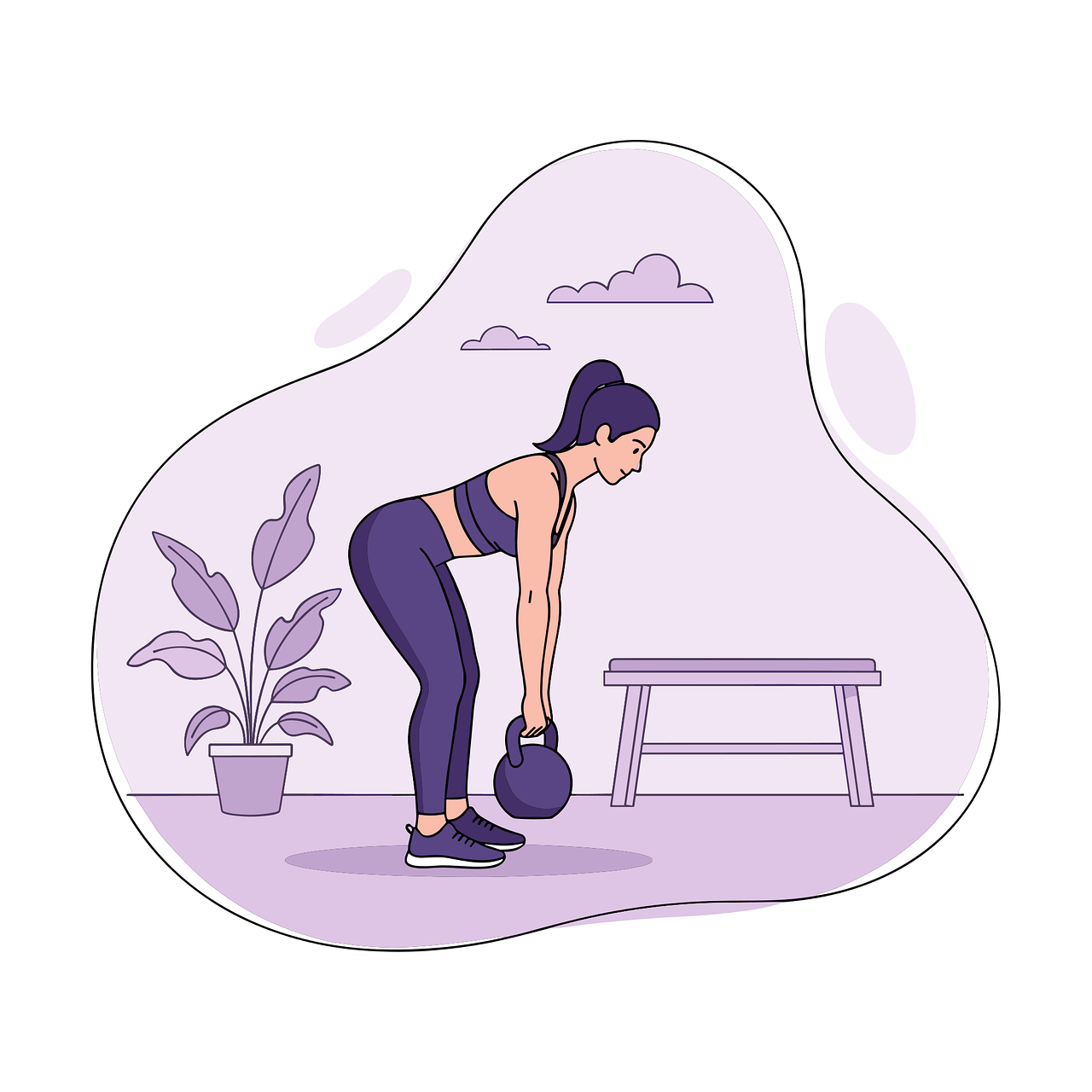
The Standing Forward Bend is a fundamental exercise that promotes flexibility in your hamstrings, calves, and spine. To begin, stand with your feet hip-width apart. Inhale deeply, raising your arms overhead, and as you exhale, hinge forward from the hips. Keep your knees slightly bent, if necessary, to ensure comfort in your lower back. Let your hands relax toward the floor, focusing on easing into this stretch. For added benefit, clasp opposite elbows and gently sway from side to side. This dynamic movement helps to release tension and enhance blood flow. Aim to hold this pose for about 30 seconds, taking deep, controlled breaths. Always listen to your body and avoid pushing yourself too far. If you’re looking for progression, try deepening your stretch by walking your hands further along the floor. Incorporating this stretch regularly into your routine can significantly improve flexibility and mobility, especially in your lower body. Whether you’re prepping for a workout or winding down, the Standing Forward Bend can position you for success in your flexibility training journey.
The second exercise to focus on is the Cat-Cow stretch, a wonderful addition that promotes spinal flexibility. This dynamic exercise combines two positions to flow between the cat arch and the cow dip. Start on your hands and knees in a tabletop position. As you inhale, arch your back and lift your head and tailbone upwards into Cow pose. Then, as you exhale, round your spine towards the ceiling, tucking your chin towards your chest into Cat pose. This flowing movement effectively warms up your spine and enhances mobility, making it a great choice for any flexibility routine. Aim to practice this stretch for one to two minutes, integrating deeper breaths to support a greater range of motion. This exercise is excellent for releasing tension in your back and neck. Remember to keep your core engaged and your elbows straight to prevent fatigue. By keeping this movement fluid and rhythmic, you’ll greatly maximize its potential benefits. The Cat-Cow stretch should become a staple in your flexibility routine for comprehensive spinal health and mobility improvement.
3. Seated Forward Bend
Once you’ve strengthened your standing stretches, the Seated Forward Bend is a logical progression to enhance flexibility in your hamstrings and lower back further. To perform this pose, sit with your legs extended straight in front of you. Inhale as you lengthen your spine, and as you exhale, gradually lean forward, hinging at the hips. Remember to keep your back as straight as possible. It’s crucial to avoid rounding your back excessively during this stretch. Flex your feet to make the stretch more intense as you reach towards your toes. Even if your hands only reach your shins, that’s perfectly fine! Focus on maintaining proper alignment and breathing deeply into the stretch. Try to hold this position for about 30-60 seconds to maximize the benefits. Progressing deeper into the stretch is encouraged over time, but patience is crucial. Practicing this stretch regularly fosters not only improved mobility but will also ease tension in your back and improve your overall posture. The Seated Forward Bend provides an excellent path towards flexible, agile movement.
The next vital exercise on our list is the Butterfly stretch, which targets the hips and groin areas. To perform, sit with the soles of your feet touching and your knees dropped outward. Hold your feet with both hands and gently press your knees towards the ground. It’s important to maintain a straight back throughout the stretch for the most benefit. If you feel comfortable, you may lean forward slightly to deepen the stretch, ensuring you engage your core for support. This movement is excellent for promoting hip flexibility, especially for individuals who sit for prolonged periods. Hold the stretch for at least 30 seconds while focusing on your breath, allowing any tension in your hips to release gradually. As you progress, you can incorporate gentle bouncing movements to enhance mobility further. The Butterfly stretch should be included in your weekly routine, especially before workouts to loosen stiff hips. Your efforts will yield better results in athletic activities, contributing positively to your overall performance and reducing the risk of injury in the hip and groin regions.
5. Supine Figure Four Stretch
The Supine Figure Four stretch is particularly beneficial for addressing tightness in the glutes and hips. To execute this stretch, lie on your back with both knees bent, feet flat on the floor. Cross your right ankle over your left thigh, creating a figure four shape with your legs. Grasp your left thigh with both hands and gently pull your left leg towards your chest. Maintain relaxation in your shoulders and avoid tension in your neck. You will feel a deep stretch in your right glute, which can relieve tightness after workouts. Hold this pose for 30-60 seconds, focusing on slow, deep breaths. It’s essential to switch sides for balanced flexibility development. By integrating this into your stretching routine, you’ll foster improved mobility and alleviate discomfort typically associated with tight hips. The Supine Figure Four stretch is an easy yet effective way to promote flexibility while also being restorative. This makes it an ideal choice post-activity. As you progress, focus on deepening the stretch each session to achieve better results over time and enhance overall mobility.
The seventh exercise worth mentioning is the T-Pose, which enhances upper body flexibility and opens up the shoulders. This exercise is beneficial, particularly for those who spend long hours at desks. To perform it, stand straight, then extend your arms to the sides at shoulder level, forming a T shape. Rotate your torso to the right while keeping your arms parallel to the ground. Engage your core as you hold the stretch, breathing deeply to allow for maximum expansion. After 15 seconds, switch sides, rotating to the left. The T-Pose effectively promotes flexibility in the shoulders and upper back. Aim to repeat this stretch for at least five repetitions on each side. This exercise not only aids mobility but also helps improve posture, creating a balance in strength between the front and back of your body. Perfect for warming up before workouts or relaxation after sitting for extended periods, the T-Pose should become a staple in your flexibility training. Consistently practicing this exercise will lead to significant improvements and foster a more resilient upper body as part of your overall fitness journey.
8. Child’s Pose
The final exercise in our list is the Child’s Pose, a restorative position perfect for stretching the back, hips, and thighs. Begin by kneeling on the floor. Sit back on your heels and extend your arms forward on the floor, lowering your forehead to rest comfortably. Keep your knees comfortably apart, allowing your torso to sink between them. Breathe deeply, feeling the stretch lengthening your spine. Hold this position for 30 seconds to a minute, focusing on relaxation and allowing your body to open up. Engaging in this exercise aids in reducing tension and promotes overall relaxation after an intense workout. It’s ideal for cooling down and recentering your mind and body. Regular practice of Child’s Pose contributes to enhanced flexibility and mobility and can alleviate daily stress. Over time, it can become a favorite resting position, offering both physical benefits and mental clarity. The Child’s Pose can seamlessly fit into any flexibility routine while providing restorative elements that nurture your body and mind while improving your overall health journey.