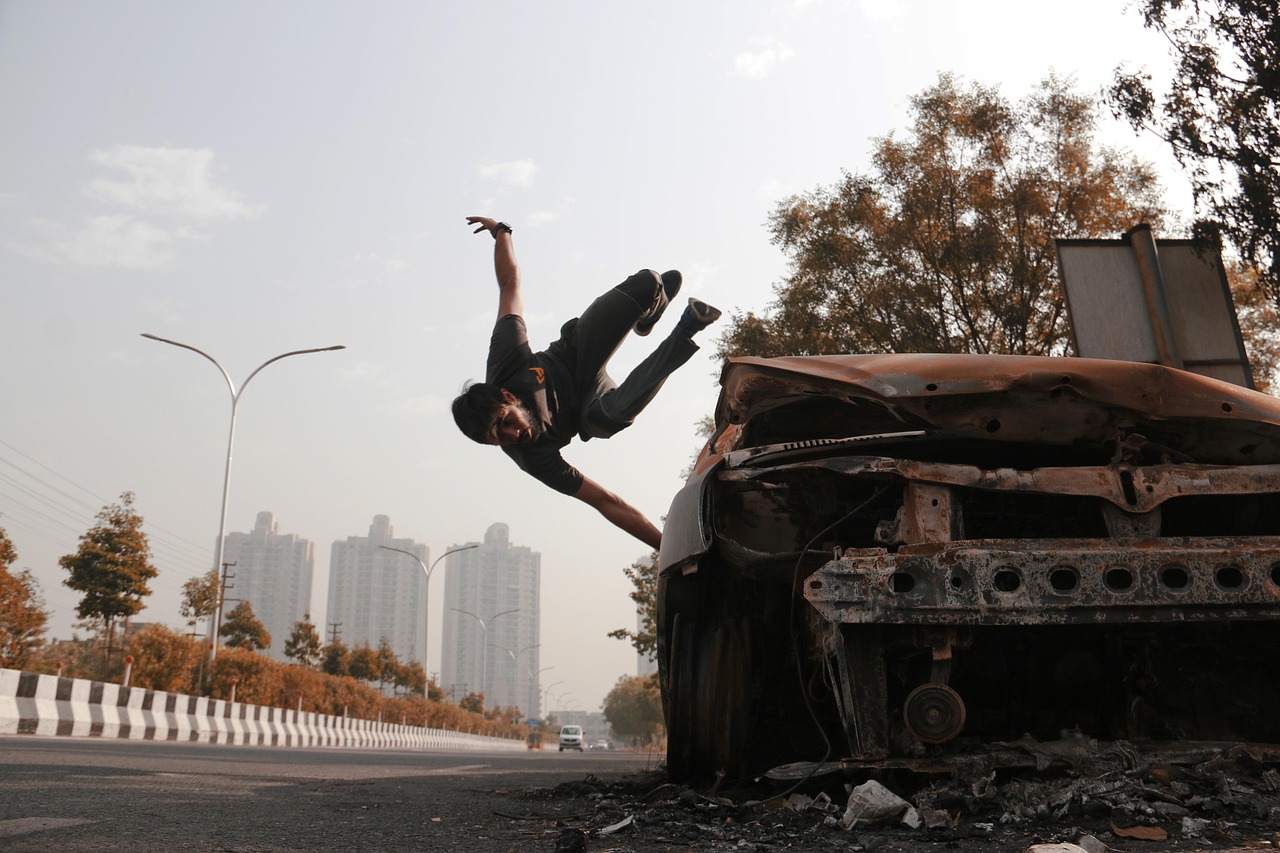

Understanding Parkour Etiquette for Kids and Beginners
Parkour is an exciting sport that enables kids and beginners to learn how to navigate their environment. However, understanding proper etiquette is crucial for safety and respect. First, it’s essential to know your surroundings. Evaluate the space you’re in before attempting any moves. This self-awareness helps avoid accidents with other parkour practitioners or pedestrians. When practicing in a public space, always remember to be courteous. If a session gets crowded, communicate with others to ensure everyone gets a chance to use the space. Keep in mind that some areas may have restrictions or rules against parkour. Always respect these regulations and find designated spaces for practice. Another important aspect is not to damage surfaces while practicing. Avoid jumping on fragile structures, as this can lead to costly repairs or even injuries. Be responsible and leave spots as you found them. Support fellow practitioners; everyone is there to learn. Encourage others and give constructive feedback to peers. Building a positive community is key to enjoying parkour together. Lastly, always wear proper gear to protect yourself from injuries, which can help you develop your skills responsibly and effectively.
One of the most crucial elements of parkour is the importance of teamwork and communication among participants. Understanding how to work together not only enhances the experience but also provides safety. Make sure to communicate clearly before making any jumps or maneuvers, especially in group settings. When practicing with others, create a system of signals or verbal cues to indicate your intent. This is imperative to avoid collisions and ensure a smooth flow of movements. When training, it’s vital to find a balance between individual progression and supporting your friends. Always cheer for others and share tips for improvement, as learning is a collective journey. Safety is paramount; never attempt risky jumps alone. Instead, have a buddy to spot or assist you when learning new techniques. Additionally, observe experienced practitioners to gather insights on form and technique. Often, being an attentive learner is just as critical as being an active participant. Practice patience with your growth; parkour can take time to master. Celebrate every small achievement both individually and collectively. In doing so, you’ll cultivate a positive environment that encourages growth and fosters camaraderie among newcomers and veterans alike.
Another core principle of parkour etiquette is to prioritize public spaces and respect shared environments. Practicing parkour in urban areas is thrilling but comes with responsibility. Urban spots should be chosen carefully, keeping in mind public safety and the need to stay respectful. Always check if a location is appropriate for parkour, avoiding private properties without permission. Engaging in parkour on private property may lead to trouble or unwanted conflicts. Therefore, scout for parks, gyms, or specially designed parkour courses for practice. These areas offer the safest environment while allowing creativity in movement. When using public infrastructure such as benches or railings, be mindful of others who may need those spaces for their day-to-day activities. Avoid monopolizing an area and instead share it with integrity. When rewarded with compliments or encouragement from onlookers, remember to reciprocate with kindness. Being part of the larger community involves representing parkour in a positive light. It’s about creating a good impression and promoting the sport to others. Being friendly and approachable encourages newcomers to join and experience this exhilarating activity, enhancing its joy and reach within the community.
Respecting Your Training Environment
In the world of parkour, respecting your training environment plays a vital role in establishing a safe atmosphere for everyone involved. Always assess the risk factors in any potential training location before beginning your practice. This means inspecting surfaces for stability, checking for any potential hazards such as broken glass or uneven terrain, and ensuring you have ample space to execute your moves. The ground should be forgiving enough to handle falls, and natural obstacles should be safe to navigate. If possible, practice on padded surfaces or at designated parks. Moreover, understanding the concept of ‘leave no trace’ is equally important. After your session, ensure you leave the area clean and free from any litter. A clean environment demonstrates respect and responsibility to both the space and those who use it regularly. Particularly in shared or public areas, maintaining a tidy practice space is essential for everyone’s enjoyment. Additionally, if practicing at parks, follow any posted rules regarding usage and behave courteously with staff and other patrons. Keeping noise levels reasonable, especially in quieter neighborhoods, can help maintain good community relations and foster a supportive environment.
Another layer of parkour etiquette involves knowing how to engage with bystanders and onlookers. When practicing in public, it’s natural for people to stop and watch. Always be polite and acknowledge them, especially if they seem curious about what you are doing. A simple smile or nod can go a long way in fostering a friendly rapport. If someone expresses interest, be open to sharing insights about parkour and explaining its fundamentals. This exchange can create a positive image of the sport and may encourage others to join. However, it’s equally important to focus on your practice, so don’t let distractions deter you. In instances where onlookers gather in large numbers, educate your audience on parkour and its purpose. Be an ambassador of the sport and highlight the creativity and discipline it requires. Remember that some viewers may not be familiar with parkour and may wonder about its safety. Demonstrating your skills while emphasizing safety measures not only enhances your personal efficacy but also educates those around you. Particularly for young practitioners, understanding this dynamic can pave the way for meaningful connections within the broader community.
Prioritizing Personal Safety
Safety should always take precedence in parkour practice, particularly for kids and beginners. Understand your limits and practice within them. In parkour, pushing boundaries is encouraged, yet things can go awry if you overestimate your abilities. Begin by mastering basic skills and gradually advance to more complex maneuvers. Start from lower heights and smaller obstacles, ensuring you build confidence before moving on to challenging spots. Additionally, proper warming up before each training session is crucial to prevent injuries. Engage in stretching exercises to prepare muscles for strenuous activities and enhance flexibility. Likewise, consider wearing the right gear, such as trainers with appropriate grip and support. It also helps to ensure that clothing allows for movement without restriction. If you’re unsure about a move, seek guidance from experienced practitioners or instructors. Collaborative learning can mitigate risks while enhancing overall skill. Falling is part of the learning process in parkour; however, it’s easier to recover from falls when wearing protective gear such as knee pads and wrist guards. Remember, safety isn’t just about physical protection but also taking a thoughtful approach to training, ensuring a sustainable and enjoyable experience.
Lastly, it’s essential to cultivate a growth mindset while embracing parkour etiquette. Set realistic goals and celebrate every milestone, regardless of size. Understand that not every attempt will result in success, and that’s perfectly acceptable. Failure can be a valuable teacher, guiding you on what to improve. Develop resilience by learning from these experiences. Encourage children and beginners to reflect positively on their journeys, emphasizing progress rather than perfection. In this way, participants can build self-confidence in their abilities while navigating challenges. Additionally, the parkour community thrives on sharing knowledge, so engaging with others will enhance learning experiences. Attend workshops, classes, or community events to forge connections and expand skills. Sharing successes and setbacks with peers creates lasting friendships and motivates everyone to progress. Partake in group training sessions where mutual assistance and encouragement are prioritized. Ultimately, a supportive atmosphere drives the sport’s growth and establishes new friendships. Emphasize fun throughout the learning process, ensuring that participants feel a sense of belonging. A vibrant, positive community contributes profoundly to both personal development and the promotion of parkour as a thrilling discipline embraced by all.