
Warm-up and Cool-down Tips for Ergometer Sessions
When preparing for an ergometer training session, warming up is essential. It serves multiple purposes, including boosting blood flow to the muscles and enhancing cardiac efficiency. Ideally, start with a light 5 to 10 minutes of low-intensity rowing to gradually increase heart rate. Incorporating dynamic stretches before rowing can also enhance flexibility. Focus on key muscle groups such as the quads, hamstrings, back, and shoulders. You could also perform some light bodyweight exercises, like squats or lunges, for an overall body warm-up. Pay attention to your rowing technique during this phase to ensure proper posture and mechanics. You may practice smooth strokes to familiarize yourself with the rigors of the session ahead. Hydration is also crucial; drink water before beginning your warm-up to stay properly hydrated. Remember, rushing through your warm-up can lead to injuries; take your time to prepare your body adequately. A thorough warm-up not only enhances performance, but also helps you avoid injuries, ultimately making your training more effective. Keep your warm-up routines consistent to build a solid foundation for each rowing session.
After completing your ergometer session, it’s crucial to focus on the cool-down phase. This part of your workout helps gradually lower your heart rate and return your body to its resting state. It’s advisable to decrease your intensity for the last 5 to 10 minutes, transitioning from high intensity to easier rowing. During this period, pay attention to your breathing, aiming to regain steadiness. Additionally, performing static stretches post-session can help improve flexibility and reduce potential stiffness in your muscles. Concentrate on major muscle groups used in rowing for optimal results, including the quadriceps, hamstrings, and back muscles. Hold each stretch for 20 to 30 seconds and ensure they are gentle to avoid strain. Consider utilizing foam rollers or massage balls to further release tension in your muscles. Moreover, post-training hydration is vital to replenish fluids lost during exercise. Enjoy a light snack high in protein or carbohydrates within 30 to 60 minutes post-exercise to aid recovery. This combination of cooldown and nutrition contributes significantly to your overall recovery process and prepares your body for subsequent workouts.
Flexibility and Mobility Exercises
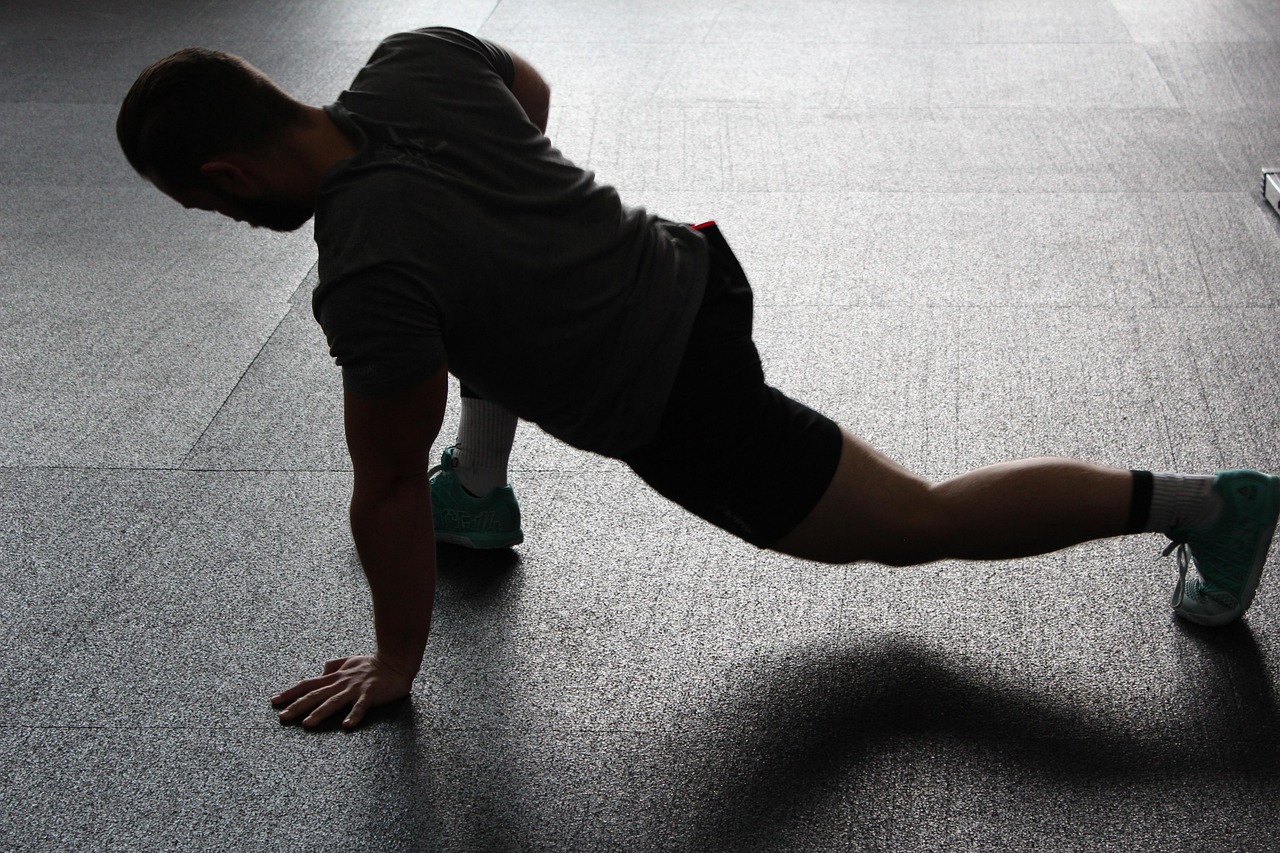
Incorporating flexibility and mobility exercises into your warm-up can significantly enhance your overall ergometer performance. Prior to every rowing session, include specific stretches designed for key muscle groups involved. Focus on important areas such as hips, shoulders, and back, as these are frequently utilized during rowing sessions. Exercises such as arm swings, trunk rotations, and high knees are fantastic additions to your warm-up routine. Each movement prepares your body for the motions it will undergo during rowing. By promoting mobility, you not only increase your range of motion but also reduce the risk of injuries. A common mistake many make is neglecting these exercises, which may lead to tightness and discomfort. Remember to perform each exercise with proper form, ensuring you engage the correct muscle groups. Additionally, consider varying your warm-up routine each week to keep your muscles guessing and avoid monotony. This variation can provide new challenges and contribute to your physical development. By prioritizing flexibility and mobility exercises, you’ll not only enhance your immediate performance but also promote long-term rowing health.
During both warm-up and cool-down phases, mental preparation should not be overlooked. Engaging in mindfulness or visualization techniques can greatly enhance your focus and overall performance. Taking a few moments to visualize your rowing strokes or concentrating on breathing patterns can improve effectiveness. These mental strategies can provide clarity and help you channel your energy positively. Furthermore, consider journaling your thoughts and feelings regarding each session afterward to track progress and set future goals. Awareness of how your body feels throughout these phases can contribute to making necessary adjustments in technique or training intensity. Maintaining a positive mindset during these routines fosters better physical performance and mental resilience. Remember, every session offers valuable insights into your rowing journey. In addition, establishing a pre-workout playlist of motivational music can also bolster focus and uplift spirits, making your warm-ups more enjoyable. Likewise, listen to soothing sounds as you cool down to enhance recovery. Emphasizing mental aspects alongside physical training can elevate your ergometer performance, leading to more satisfying results in each rowing session.
Adequate Hydration
Effective hydration is a crucial element before, during, and after ergometer training. Start your day by consuming a hydrating beverage, ideally water, as it supports overall performance. Aim to drink around 500 ml of water in the hours leading up to your session to ensure you are well-hydrated. Consider hydrating solutions containing electrolytes if you’re exercising for extended periods or in hot conditions. A well-hydrated body responds better to training stimuli, leading to improved endurance and stamina. Utilize water breaks during your warm-up and cool-down phases to keep your fluid levels up. Post-exercise, consume fluids to replenish those lost during training. This will help in muscle recovery and reduce post-workout fatigue. To promote hydration, carry a reusable water bottle with you, ensuring it’s easily accessible during your workout. Besides this, monitor your body’s hydration signals, such as thirst, and urination frequency, which can help assess your hydration status. Staying attuned to your body’s needs is essential for enhancing performance and preventing dehydration.
An effective gear and clothing choice can greatly enhance your ergometer experience. Comfortable attire that allows for a full range of motion is essential for maximizing performance. Materials that wick away moisture will keep you dry and comfortable, preventing distractions. Additionally, consider wearing supportive footwear that provides stability during your rowing session. Casual gym shoes may not always be suitable for rowing; investing in specialized rowing shoes can offer better performance. Ensuring that your ergometer setup caters to your body size and allows for proper posture can significantly impact your comfort levels. Checking the height and position of the seat and foot straps can lead to a more enjoyable rowing experience. Pay attention to how your body feels throughout sessions, making adjustments as necessary to optimize your setup. You may also want to consider using a sweat towel to avoid excess moisture on equipment and improve hygiene. Keep personal items within reach in a tidy storage area. Proper gear and setup not only enhance performance but also foster a more enjoyable rowing journey over time.
Monitoring Your Performance
Tracking your performance during erogmeter training is a key strategy for achieving your fitness goals. Utilize technology such as heart rate monitors or cycling apps to gather data on each session. Monitoring allows you to gain insights into your progress, including stroke rate and calories burned. Logging these details can enable you to gauge improvements over time, helping to keep you motivated and engaged. Additionally, reviewing performance metrics aids in tailoring your workouts according to your personal goals. Aim to set realistic objectives based on your data to maintain motivation. For example, if you notice a stroke rate improvement over weeks, celebrate this success as it signifies growth. Furthermore, taking notes after each training session about your experiences, challenges, and achievements can be highly beneficial. This reflection will provide clarity regarding your evolving needs. Engaging in challenges or friendly competitions with others can further enhance motivation. Tracking your progress, sharing results, and celebrating achievements creates a sense of community and can inspire you to push through tough sessions. By monitoring performance consistently, you’ll better understand your rowing journey.
Lastly, keeping a consistent schedule is vital for maximizing the effectiveness of your ergometer training. Setting aside specific days and times for workouts helps build a solid routine that aligns with your fitness goals. Consistency establishes a sense of discipline and commitment toward improving your rowing technique and performance. Consider varying session intensity and duration to keep workouts fresh and exciting. Structured but varied routines can prevent mental burnout and enhance enjoyment. Additionally, consider training with a friend or joining a rowing group to foster accountability and motivation. Engaging socially with others focused on similar fitness aspirations can help propel you toward shared goals. By integrating social aspects into your training, you enhance your overall experience and commitment. Remember to listen to your body as you train; if you feel fatigued, it’s essential to adjust your schedule accordingly. Emphasizing recovery days is equally significant; these play a crucial role in strength enhancement and injury prevention. Achieving balance between intense training and recovery sustains long-term progress. Establishing a well-rounded ergometer schedule creates a pathway for success in your rowing journey.